
Why Choose Homogeneous Vinyl for Heavy-Traffic Areas?
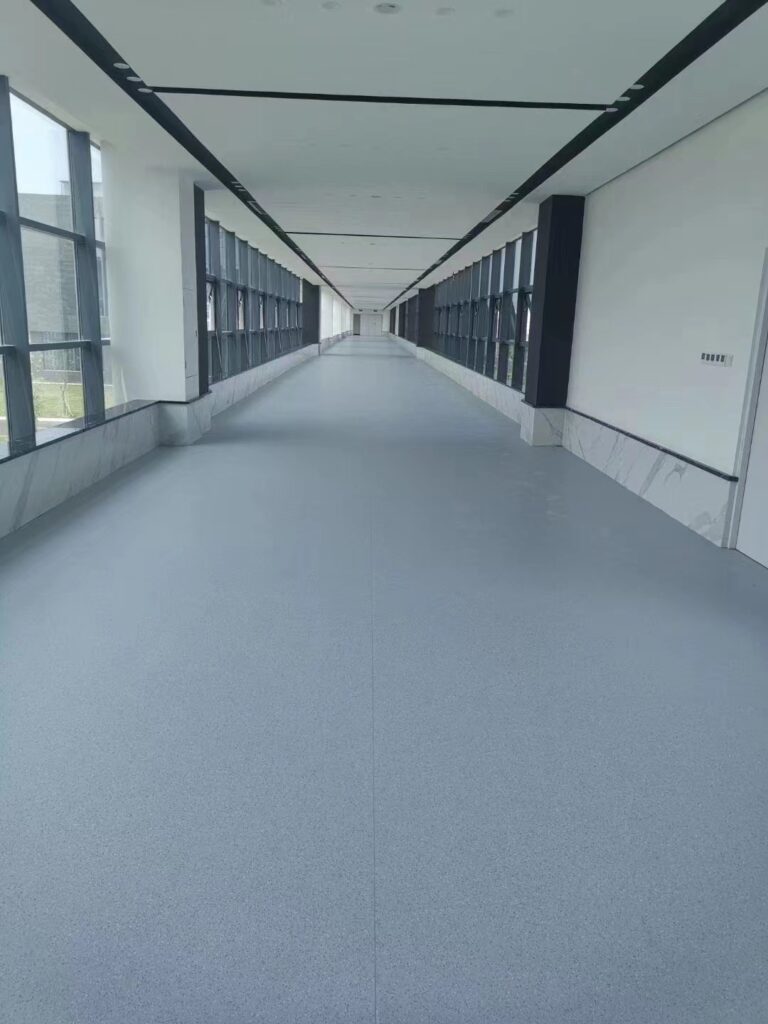
Airport terminals, school corridors, classrooms, and public passageways represent the most demanding commercial flooring scenarios. These spaces feature continuous high-volume foot traffic, frequent rolling loads from luggage carts and trolleys, accidental impacts, long operating hours, and strict hygiene and safety requirements. Among all commercial flooring materials, homogeneous vinyl flooring stands out as the optimal solution for […]
Is Homogeneous Vinyl Inherently Anti-Bacterial and Anti-Fungal?
Strictly speaking, standard PVC polymer resins (raw materials of homogeneous vinyl sheets) are not inherently bio-active or anti-bacterial by themselves. However, high-grade homogeneous vinyl sheet flooring functions as an exceptionally effective anti-bacterial and anti-fungal barrier in medical settings due to its non-porous physical structure, specialized surface treatments, and optional integrated biocide additives. Because vinyl resins […]
What Is the Standard Thickness of Homogeneous Vinyl Sheet Flooring for Hospitals?
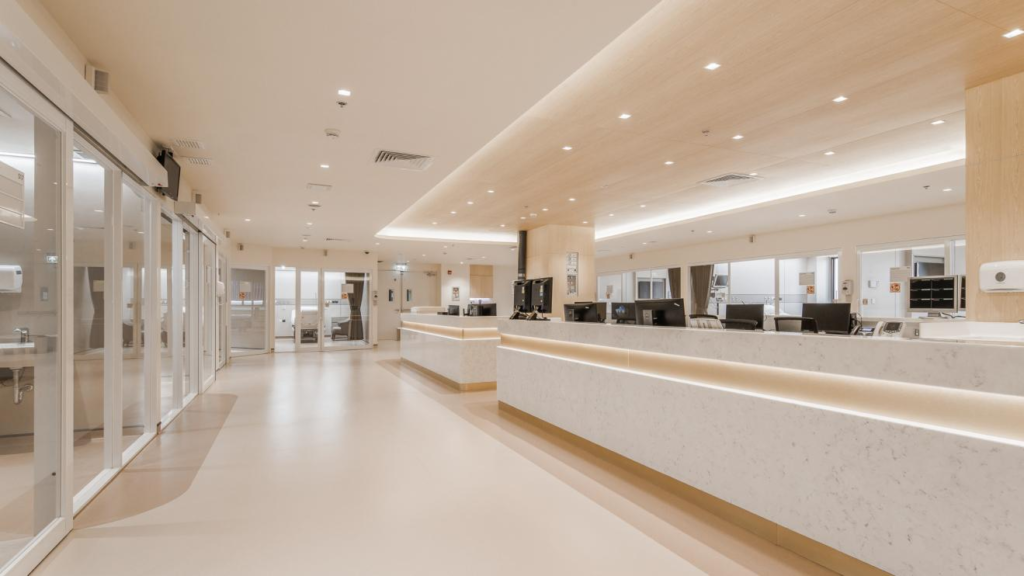
2.0 mm is the most common thickness for homogeneous vinyl sheet flooring used in hospitals and healthcare facilities, but it is not a mandatory requirement. Homogeneous vinyl flooring is designed with a consistent composition and color throughout its full thickness. A 2.0 mm construction provides a practical balance of durability, maintenance, comfort, and cost for […]
Why Do Hospitals Prefer Homogeneous Sheets Over Ceramic Tiles For Operating Rooms?
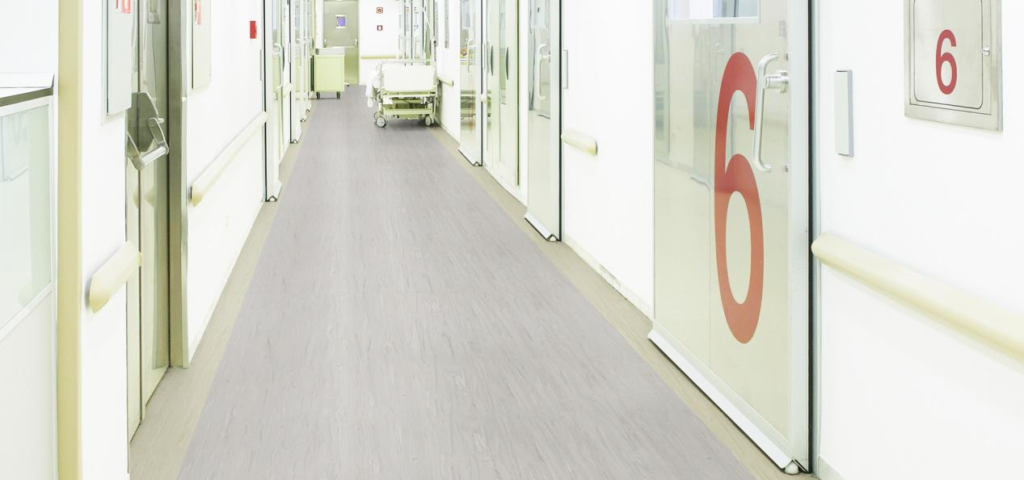
Operating rooms are among the most demanding environments in any healthcare facility. Every material—from wall finishes to flooring—must contribute to infection control, patient safety, and long‑term operational efficiency. While ceramic tiles have traditionally been used in many healthcare buildings, modern hospitals are increasingly choosing Y.H.F homogeneous sheet vinyl flooring for operating rooms and other critical […]
Is homogeneous sheet flooring recommended for ICU and operating theaters in hospitals?

Seamless homogeneous vinyl sheet in a hospital operating theater. Yes, homogeneous vinyl sheet flooring is highly recommended—and remains widely used—for Intensive Care Units (ICUs) and Operating Theaters (OTs). Healthcare environments with strict infection control and cleanroom requirements depend on homogeneous sheet vinyl because of its seamless installation, uniform material structure, superior chemical resistance, and static-control […]
ESD Tile vs ESD Sheet: Which Is Better for Your Commercial Facility?
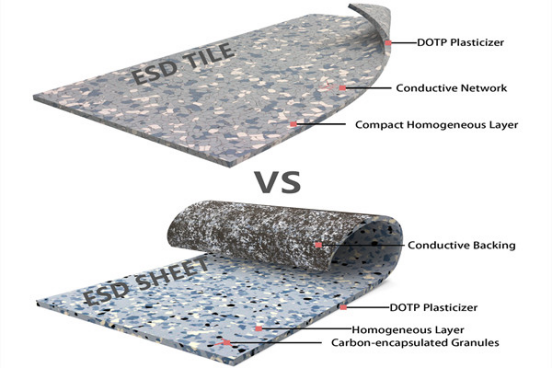
In high-tech manufacturing, medical environments, and electronics assembly lines, electrostatic discharge (ESD) is a silent, invisible hazard. A single static spark can destroy sensitive microchips, disrupt calibrated laboratory equipment, or create safety risks in volatile environments. To control this risk, choosing the right ESD flooring is essential. When engineering and procurement teams look for an […]
What Is the Difference Between Homogeneous and Heterogeneous Vinyl Flooring?
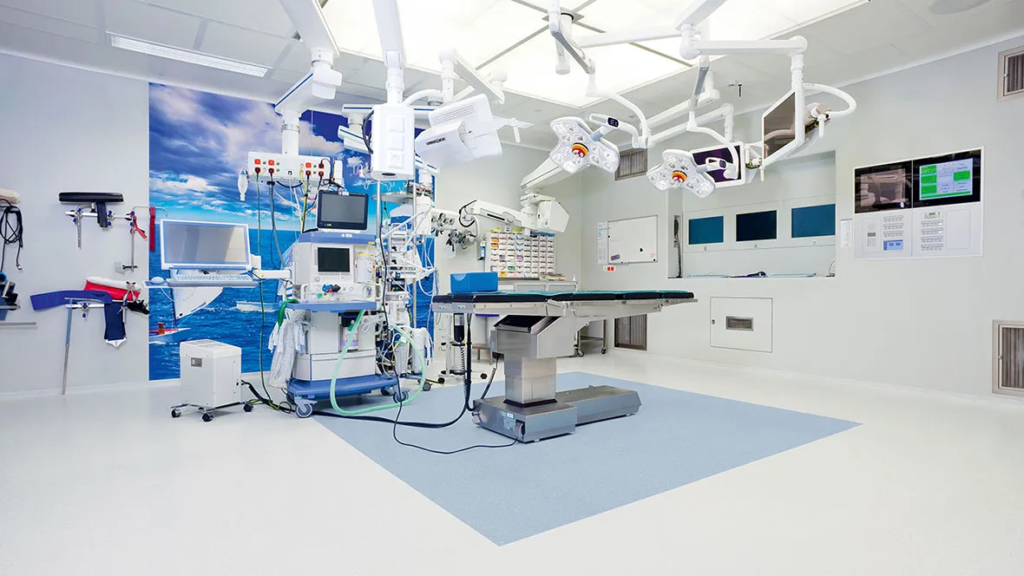
——Homogeneous vs Heterogeneous Core Comparison Choosing the right vinyl flooring is essential for creating a durable, attractive, and cost-effective space. Among commercial flooring solutions, homogeneous vinyl flooring and heterogeneous vinyl flooring are two of the most popular options. Although both are PVC-based resilient floors, their construction, performance, appearance, and ideal applications differ significantly. In this guide, we’ll […]
How Should ESD Flooring Be Cleaned?
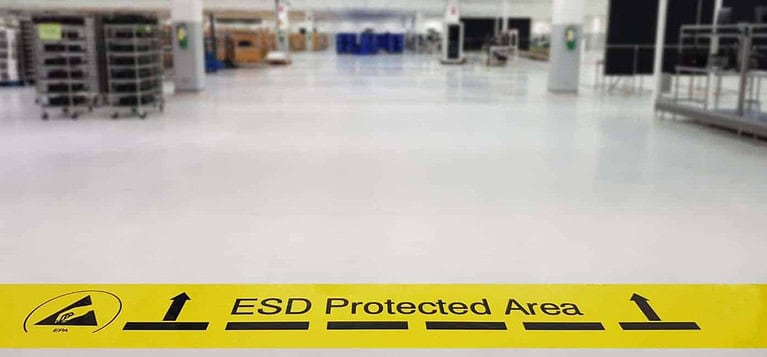
ESD flooring should be cleaned regularly with a neutral PH cleaner and suitable cleaning tools. Proper maintenance keeps the surface clean, maintains stable electrical resistance, and helps the ESD flooring system perform reliably over long-term use. Unlike conventional resilient flooring, ESD flooring is designed to provide a controlled path for electrostatic charges. Incorrect cleaning chemicals, […]
Why Is My ESD Flooring Failing Resistance Tests?
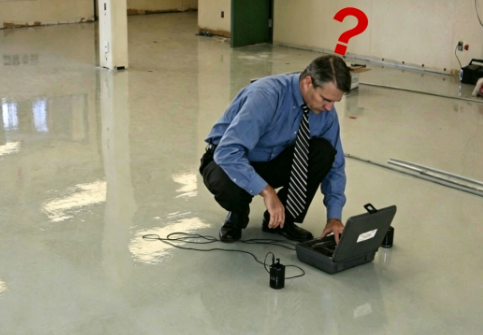
Preface Resistance is the core performance metric of ESD flooring. Factory users and manufacturers all rely on standardized resistance tests to verify static control performance. Most test failures are not caused by defective flooring. Per ANSI/ESD S20.20, ANSI/ESD STM7.1, IEC 61340-4-1 and ASTM F150, abnormal readings mainly stem from environment, surface dirt, improper testing or […]
What Is the Difference Between Anti-Static and ESD Flooring
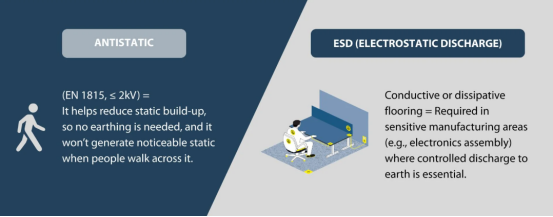
Introduction Anti-static flooring and ESD flooring are frequently confused, yet they deliver vastly different electrostatic protection levels. Selecting the wrong type will either waste costs or fail to safeguard sensitive electronic devices. Per ANSI/ESD S20.20, IEC 61340 and ASTM F150, the two categories have distinct electrical standards and applicable scenarios. What Is Anti-Static Flooring? Anti-static […]
What is ESD flooring?
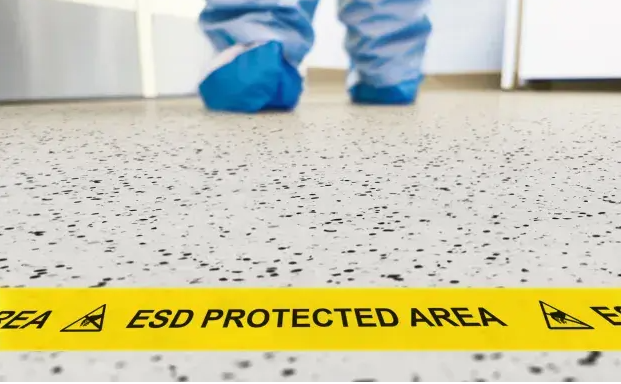
Imagine walking across a manufacturing floor, touching a workbench, and feeling a tiny, sharp zap. Static electricity is invisible, but even a discharge of a few dozen volts can damage sensitive electronic components or disrupt critical manufacturing processes. ESD flooring is designed to control and safely dissipate this static electricity before it becomes an expensive problem. […]
How To Repair Damaged ESD Flooring?
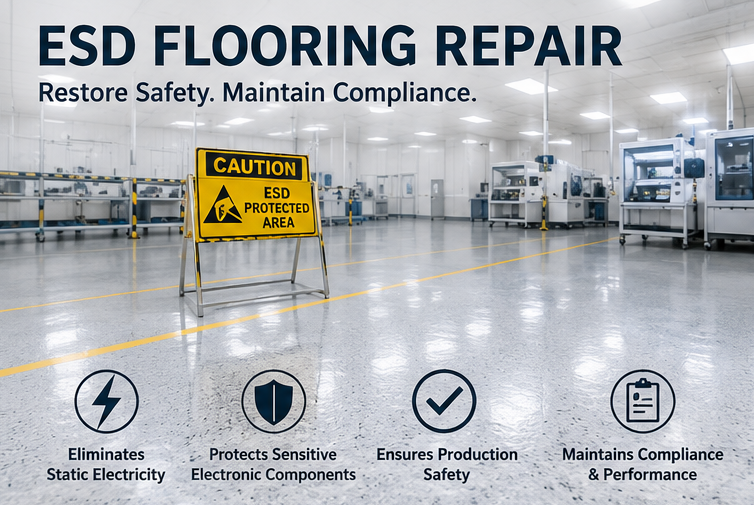
Introduction ESD flooring is a critical safety infrastructure for electronic manufacturing workshops, cleanrooms, data centers, and precision instrument laboratories. It effectively eliminates static electricity accumulation, protects sensitive electronic components from static damage, and ensures production safety and operational compliance. However, long-term foot traffic, equipment rolling, accidental impact, chemical corrosion, and aging degradation will inevitably cause […]
How Is ESD Flooring Installed?
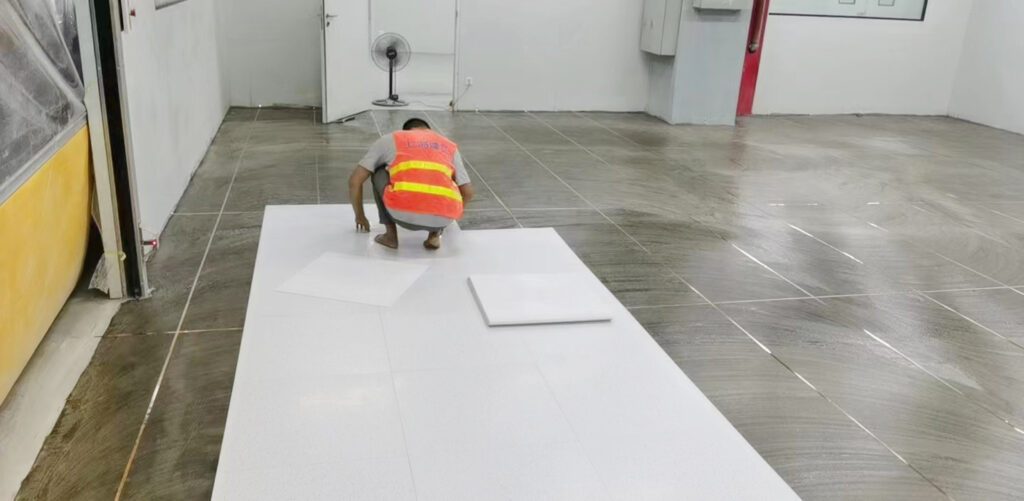
Introduction ESD (Electrostatic Discharge) flooring is a specialized flooring system designed to safely dissipate static electricity and protect sensitive electronic equipment from electrostatic damage. ESD flooring installation should be carried out in accordance with the flooring manufacturer’s instructions and relevant international standards, such as ANSI/ESD S20.20, IEC 61340-5-1, and ANSI/ESD STM7.1. Proper installation is essential […]
Why Does SPC Flooring Fail After Installation? 2 Common Mistakes to Avoid
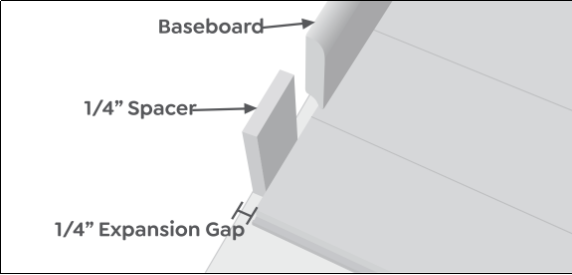
SPC (Stone Plastic Composite) flooring has taken the global market by storm due to its exceptional dimensional stability, 100% waterproof nature, and user-friendly click-lock system. However, even the most premium SPC plank can fail if the installation fundamentals are neglected. Among the most common post-installation issues—such as clicking noises, unlocked joints, and buckling—nearly 90% stem […]
Do I Need Underlayment For SPC/LVT Flooring?
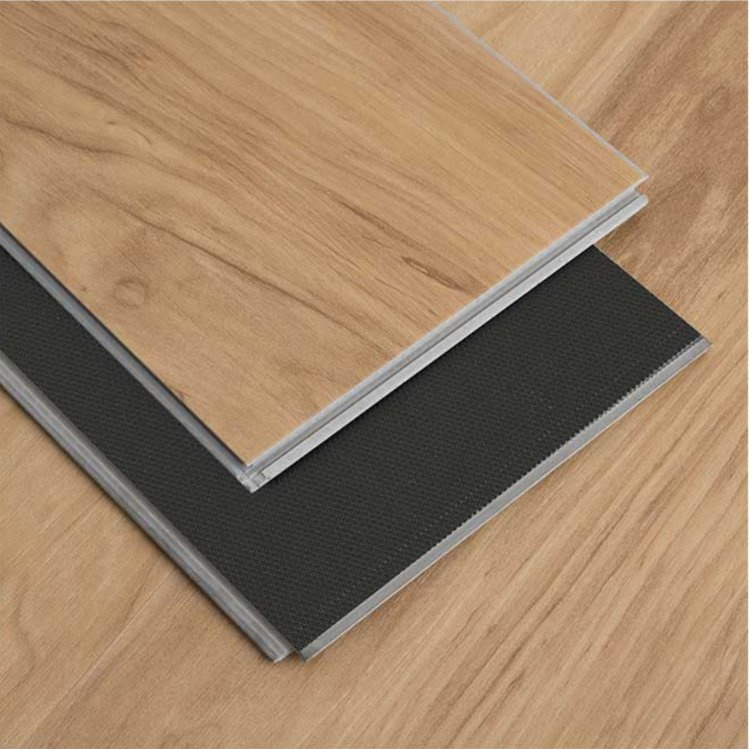
Whether you need underlayment depends on the flooring product and the installation environment. Many SPC floors already include an attached IXPE pad, while others require a separate underlayment for moisture protection or acoustic performance. 3 types of underlayment 1 IXPE As a closed-cell foam underlayment, IXPE has good waterproof performance and solid sound dampening capacity. […]
How to Choose a Qualified SPC Flooring Supplier?
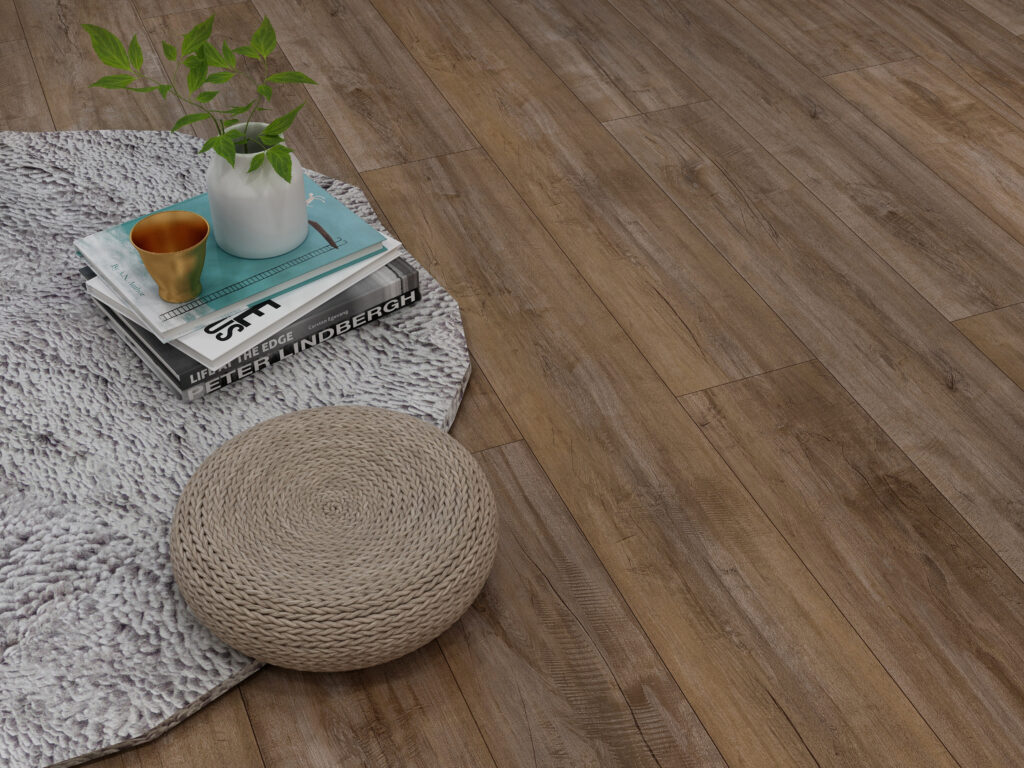
Before choosing an SPC flooring supplier, professional buyers should evaluate more than just the factory price. The right supplier should provide proven product engineering, consistent manufacturing quality, compliance support, and reliable service throughout the project lifecycle. When evaluating a supplier, buyers should focus on five key areas: Key Factors to Evaluate When Choosing an SPC […]