The Leading ODM & OEM Manufacturer
of ESD Anti-static Vinyl Flooring
Tiles In China

1800 Series

Carbon Fibres Loaded

ESD Vinyl Flooring Tiles

Electrical Resistance

Dimension & Thickness 

1.0x10E04-1.0x10E06 ohm
1.0x10E06-1.0x10E09 ohm

600x600mm, 610x610mm, 900x900mm
2.0mm, 2.5mm, 3.0mm

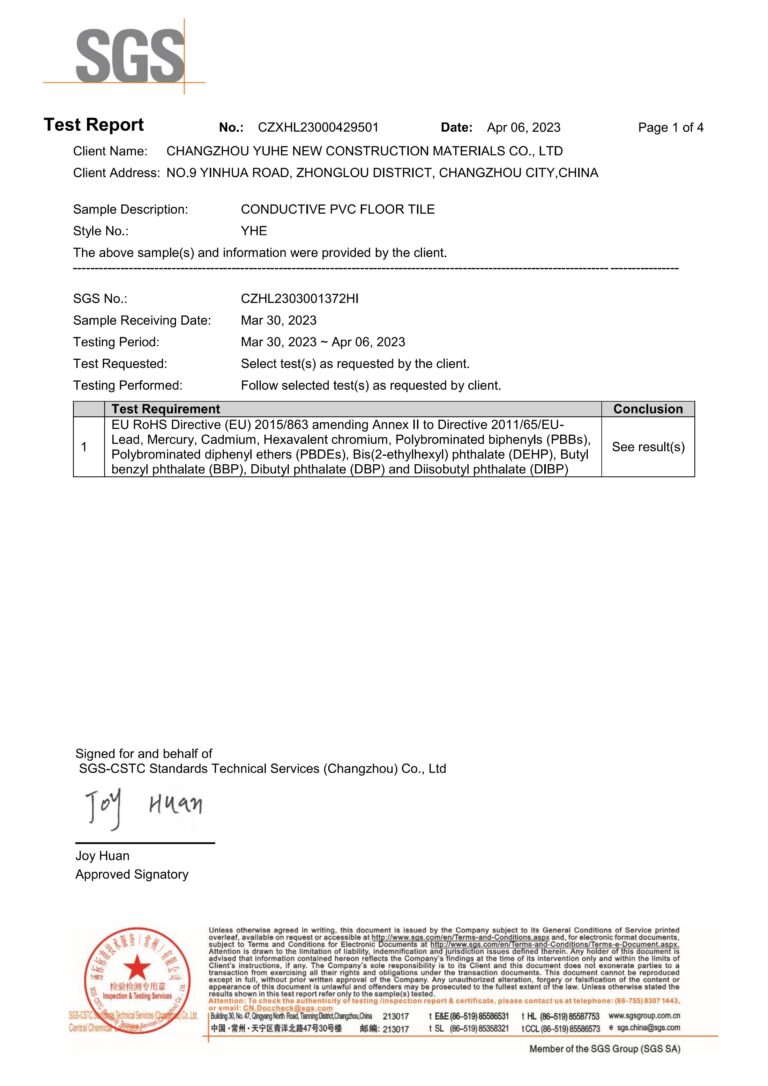
 Low TVOC emissions,Phthalate FREE,Meet FloorScore® .

 Conform with life safety NFPA 101-2012.

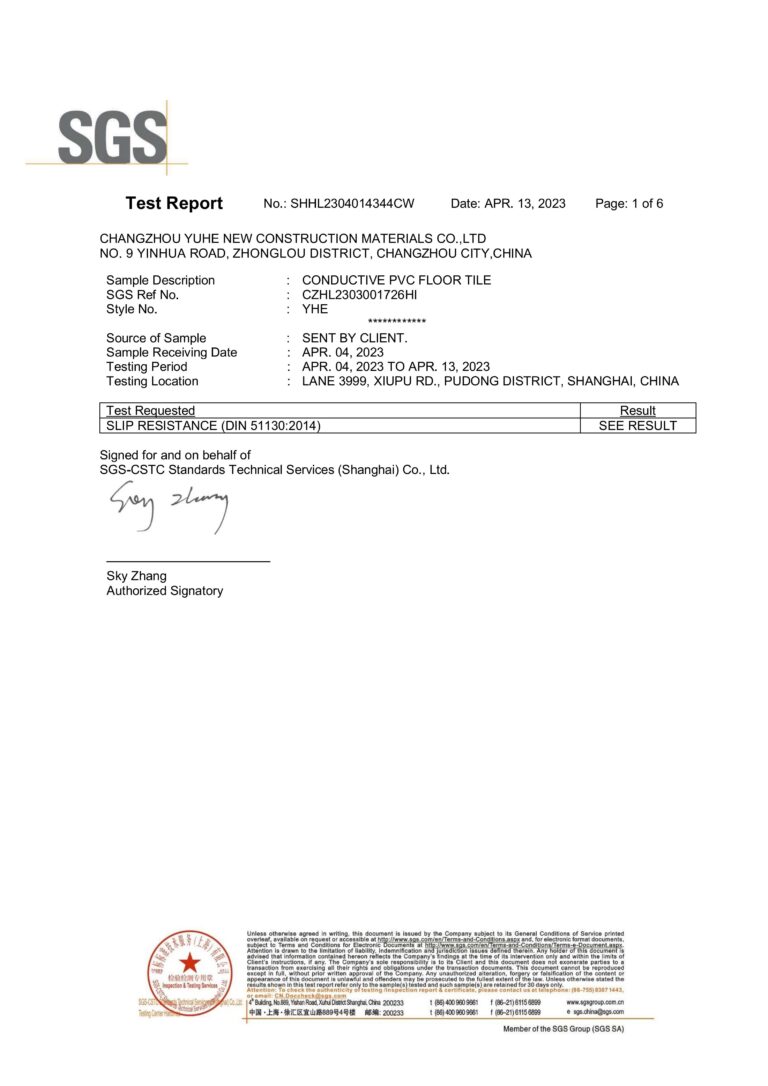
Outstanding stain, chemical, heat, fire, slip resistance.

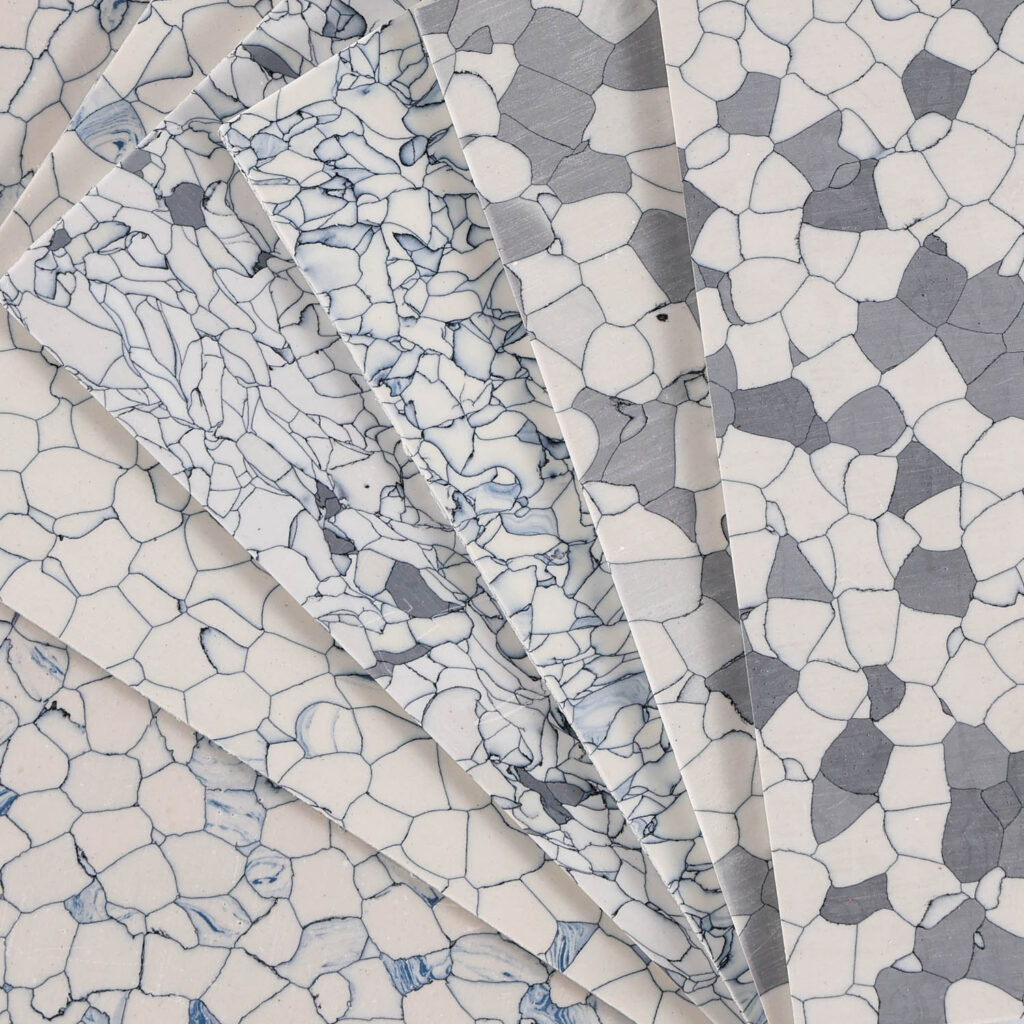
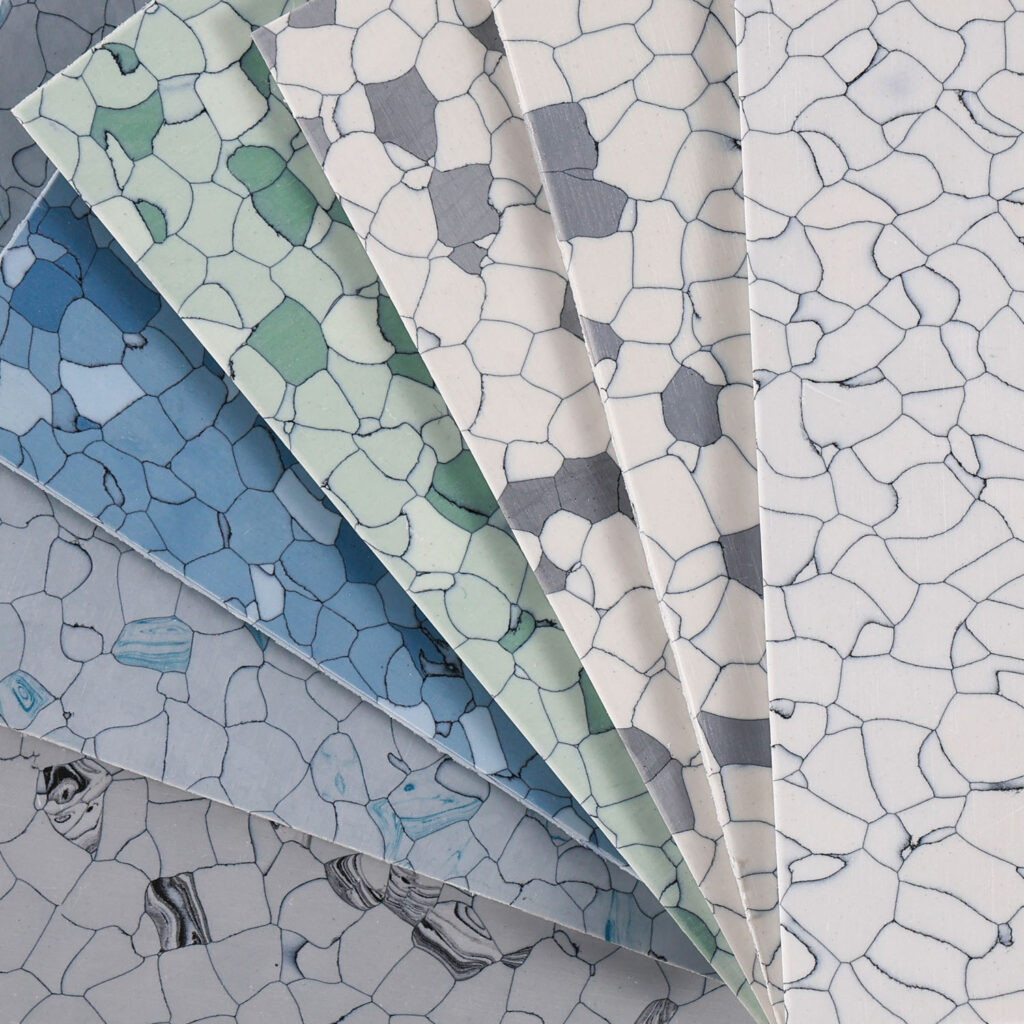
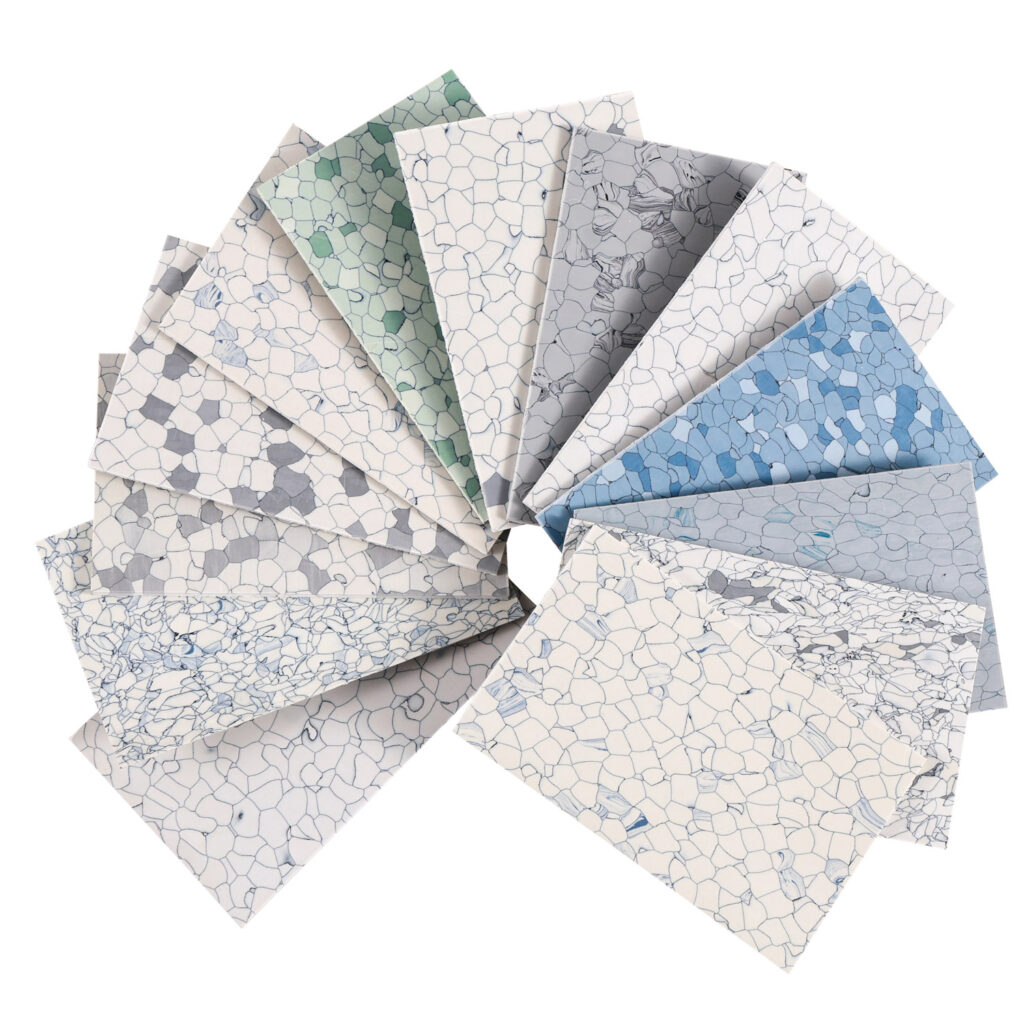
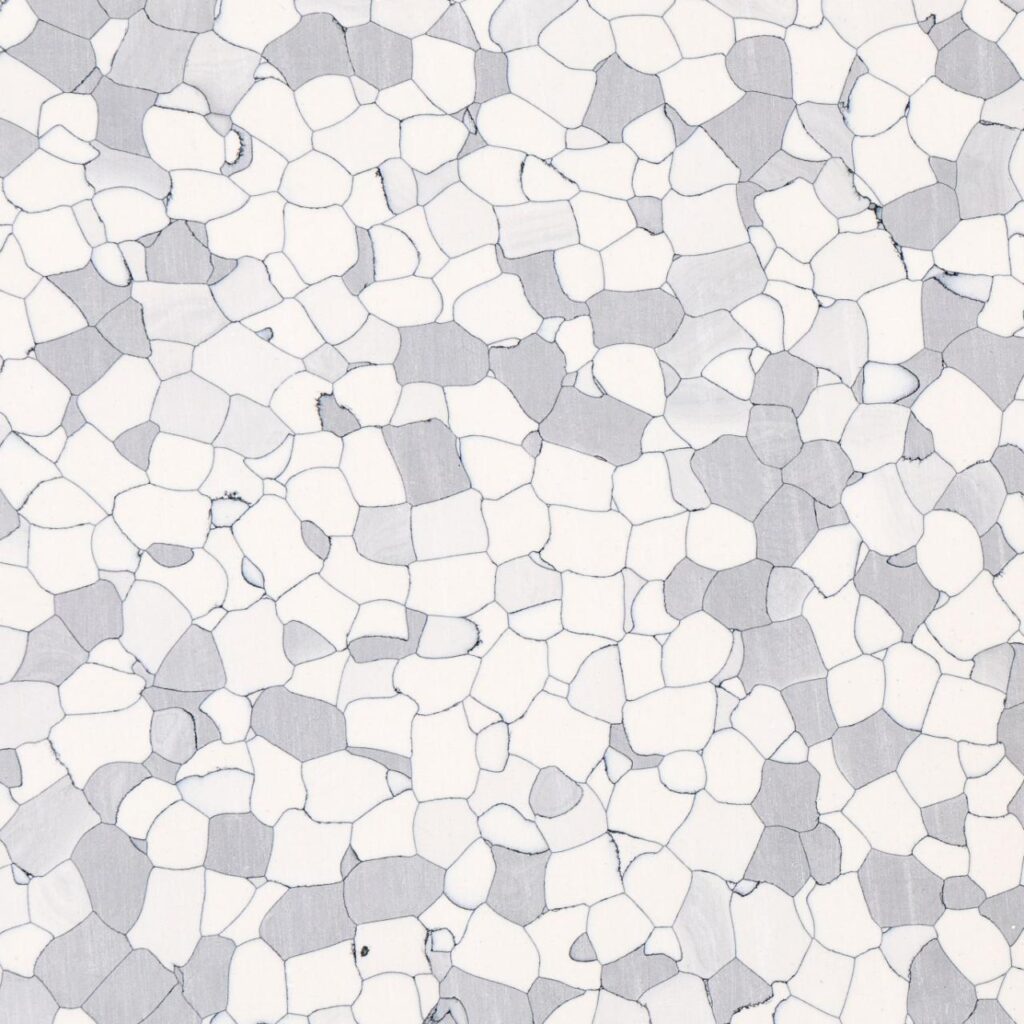
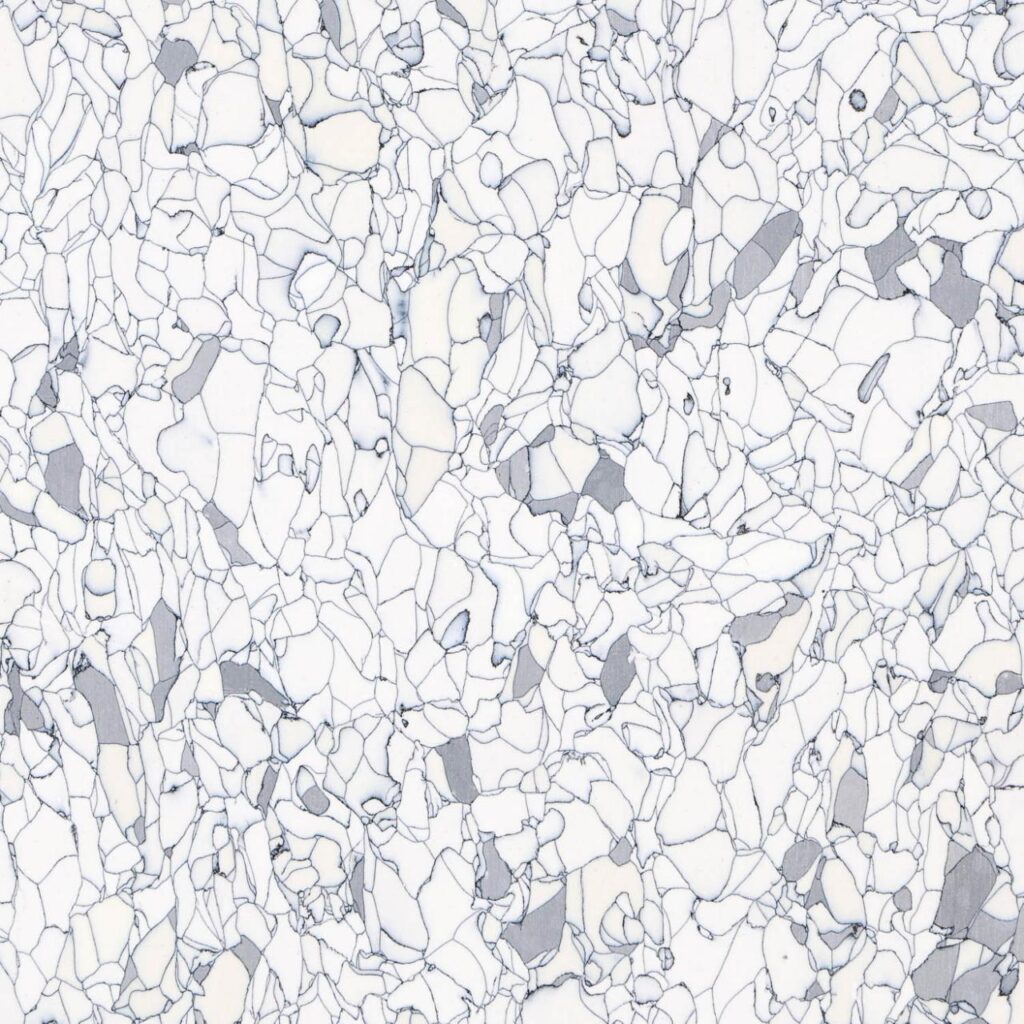
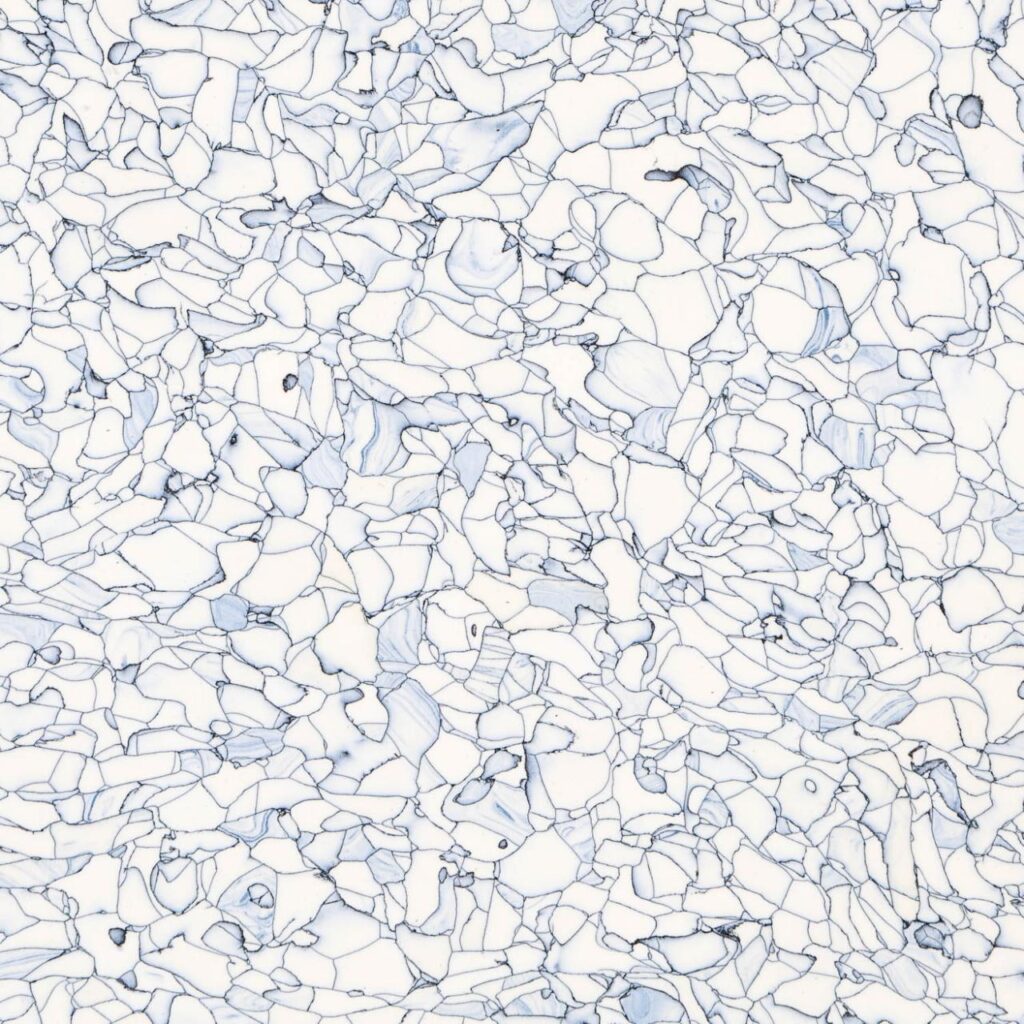
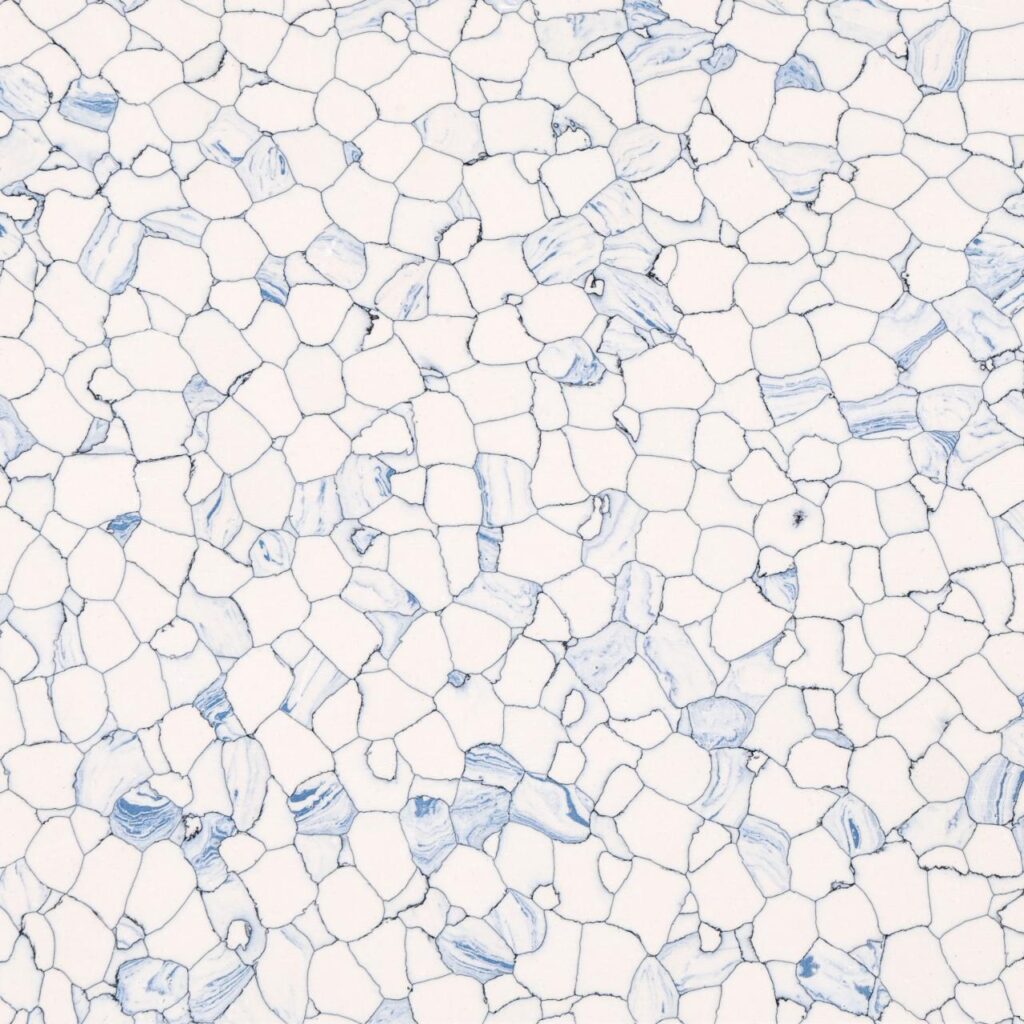
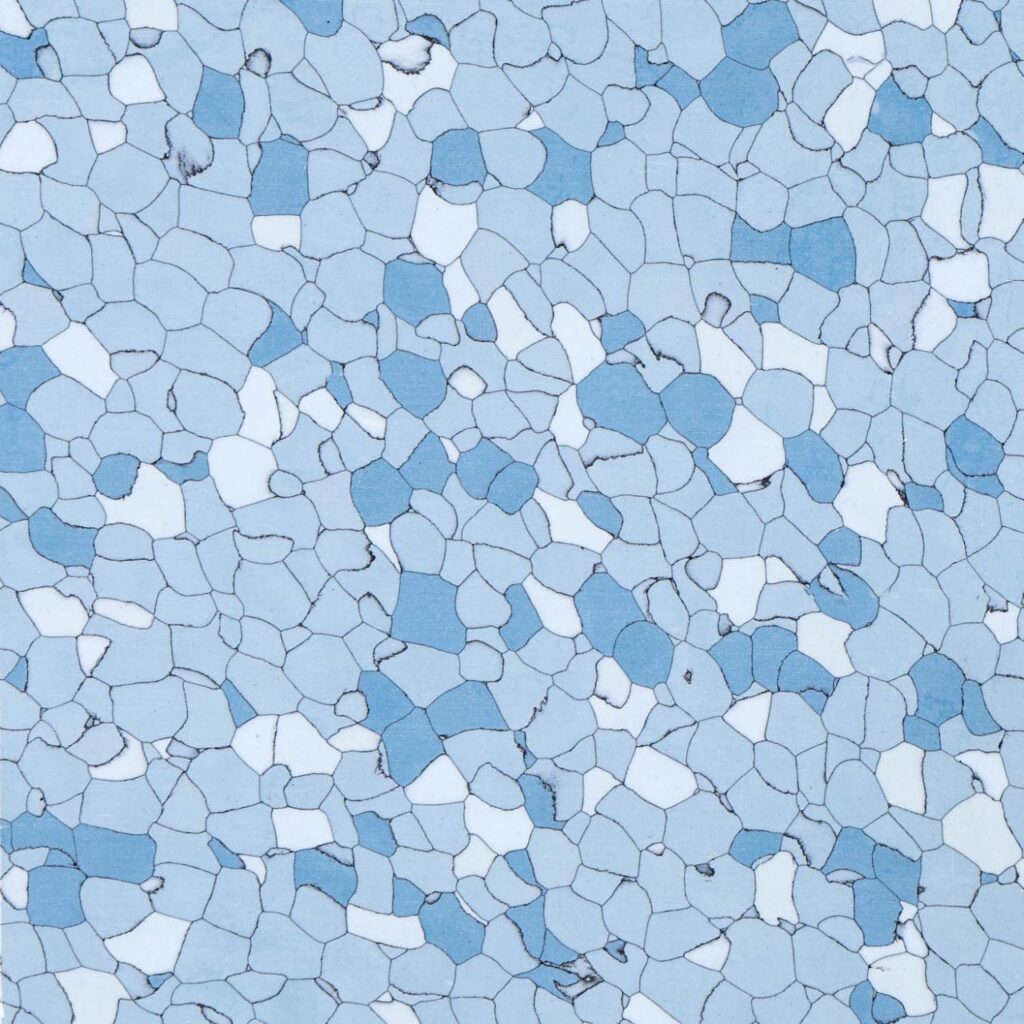
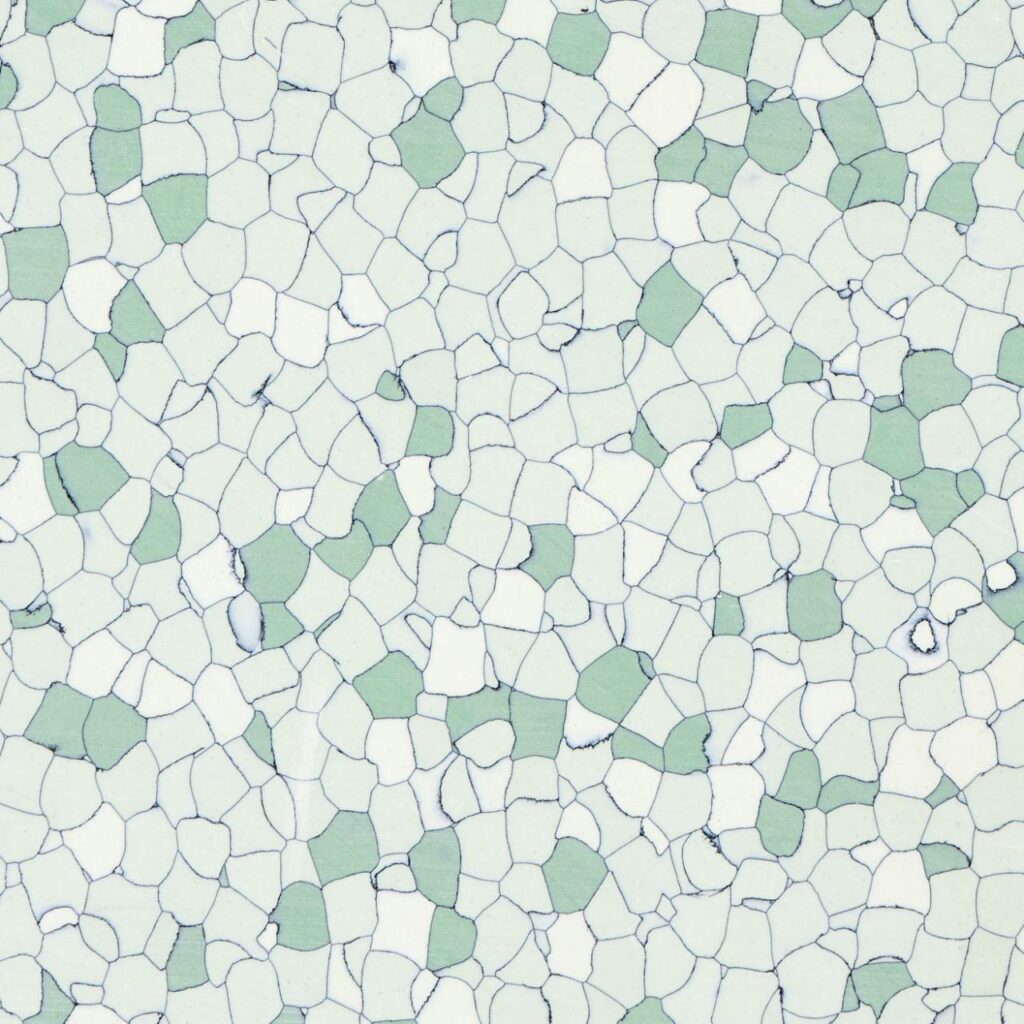
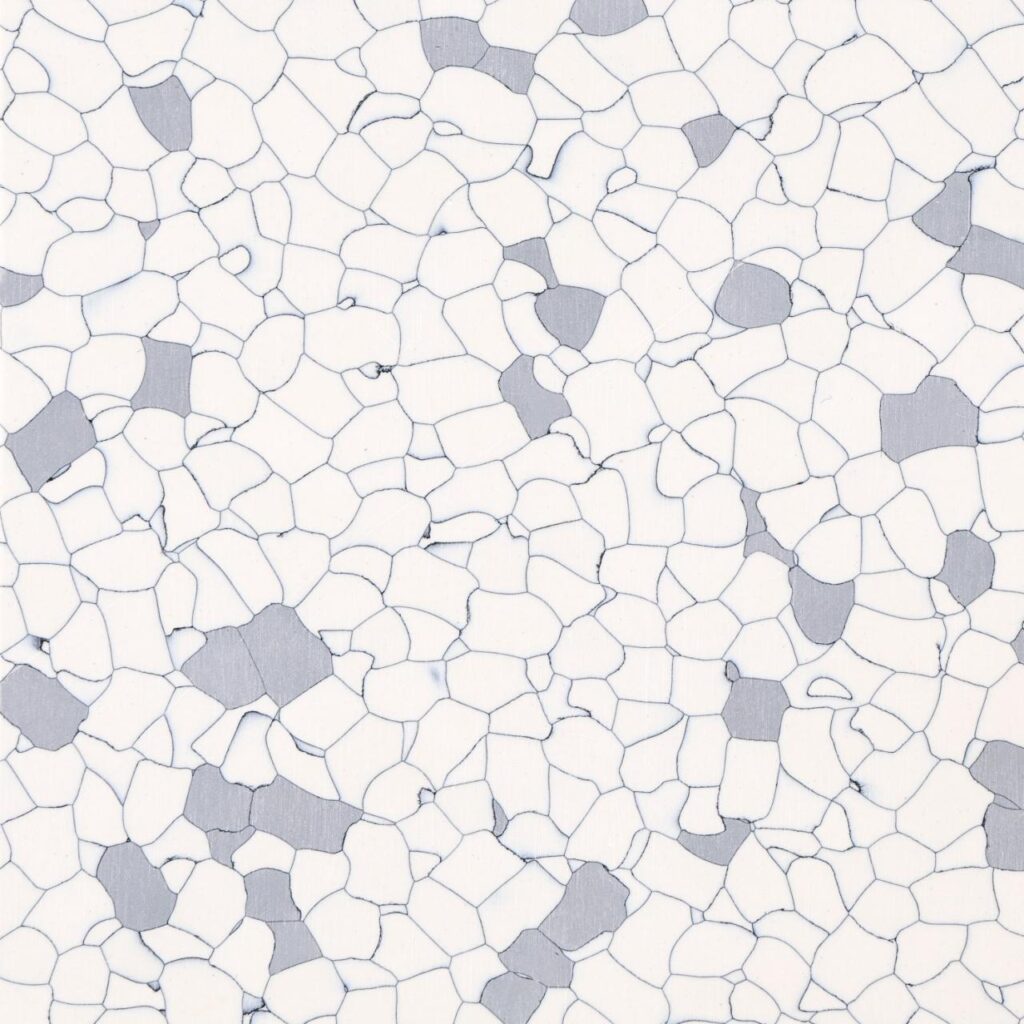
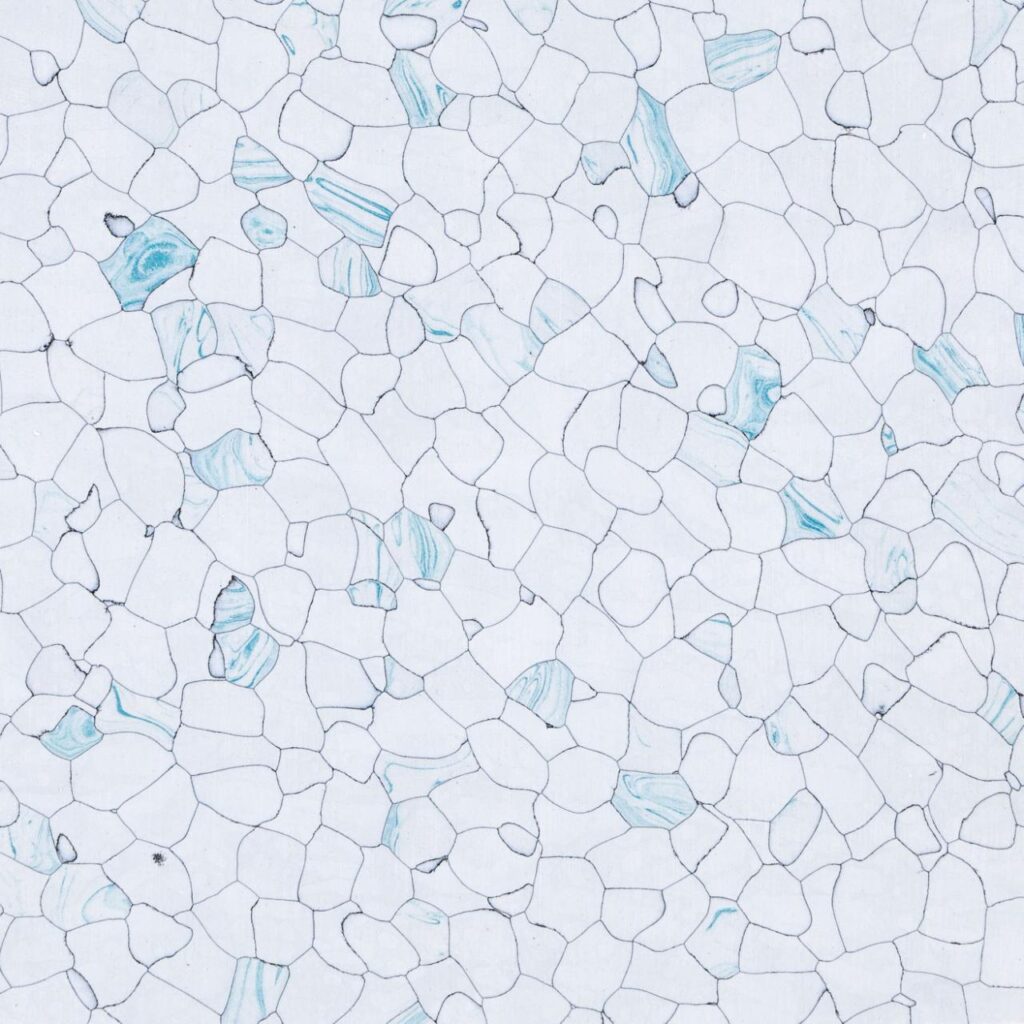
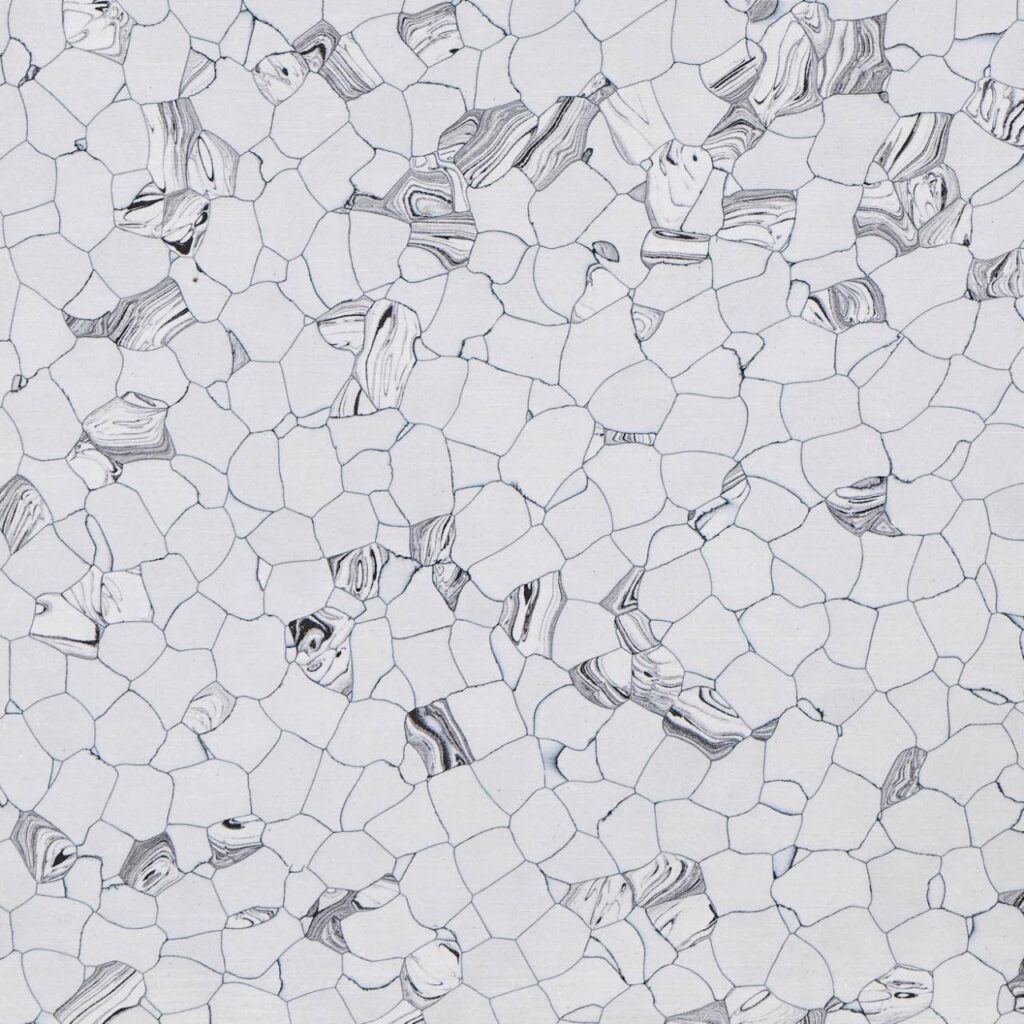
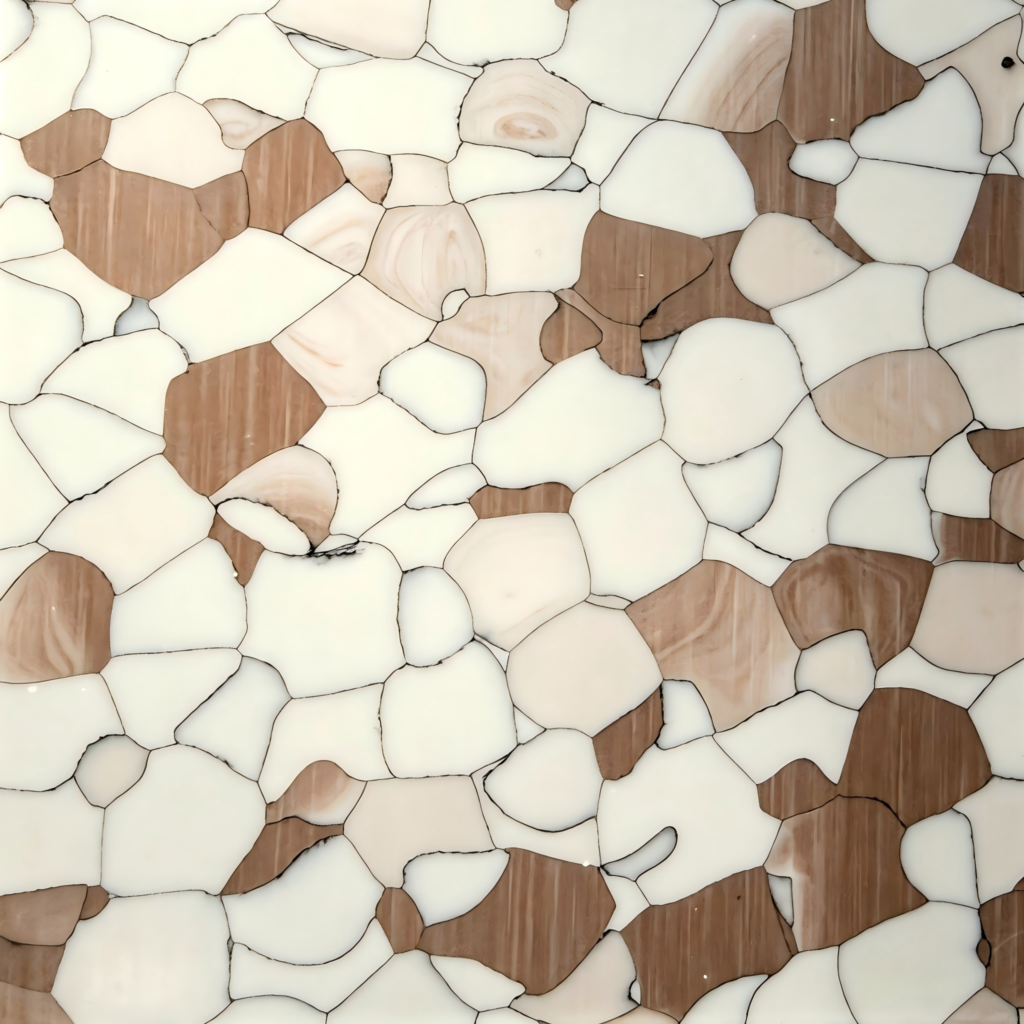
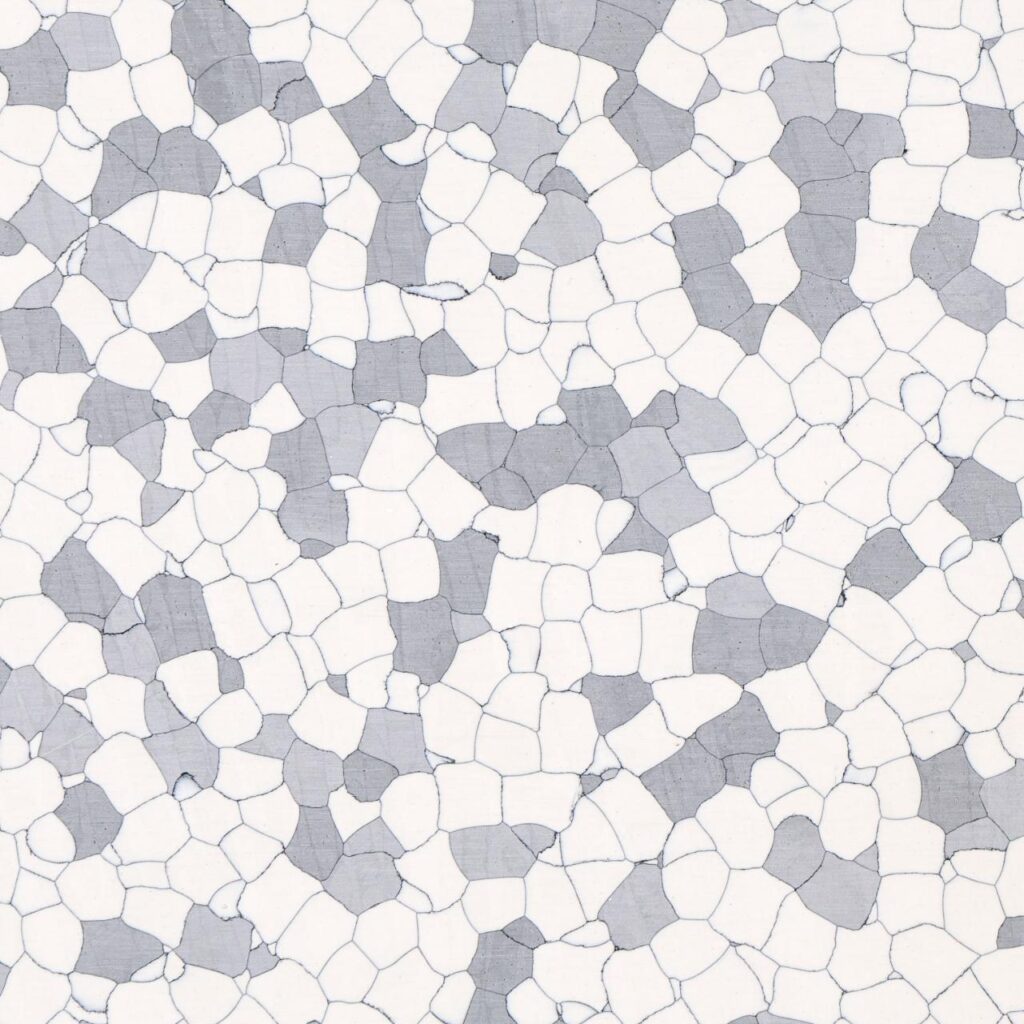
1800 Series Color Collection

YHE-1801

YHE-1802

YHE-1803

YHE-1805

YHE-1806

YHE-1808

YHE-1809

YHE-1812

YHE-1815

YHE-1816

YHE-1817

YHE-1830

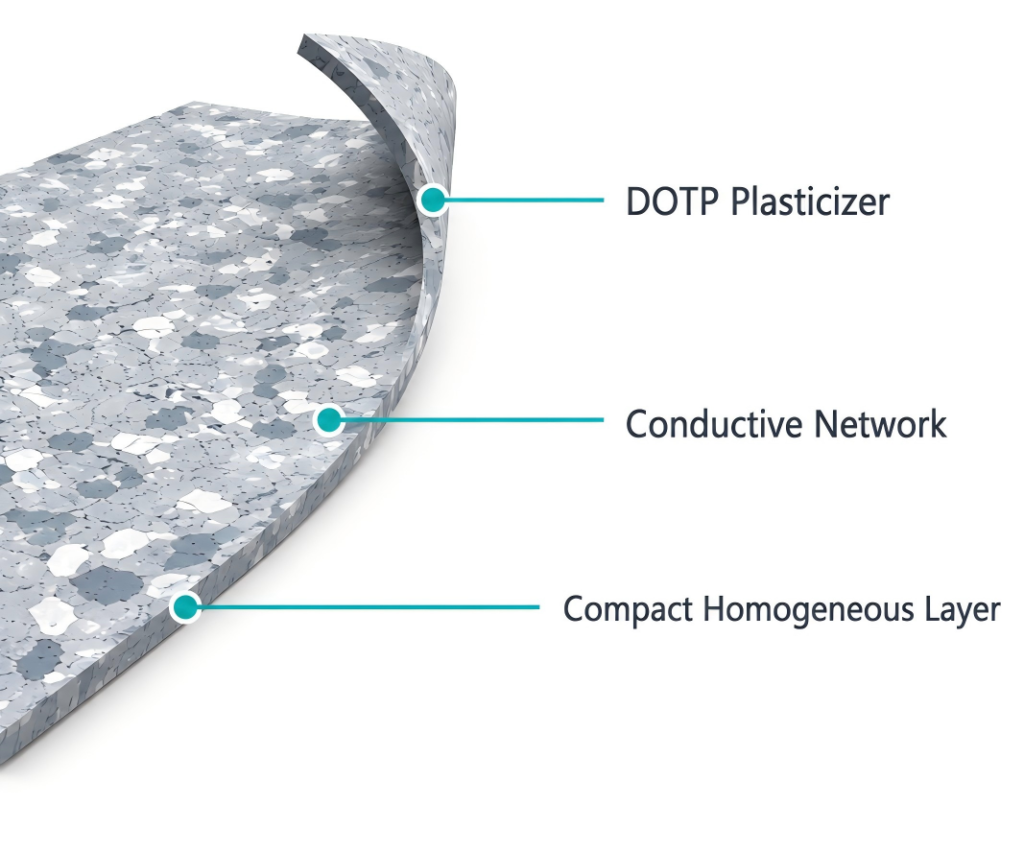
Composition and Benefits of ESD Tiles

30% Virgin Vinyl

Provides flexibility for easy installation and long-lasting durability. 

40% Calcium Carbonate

Enhances strength, dimensional stability, and surface appearance.

20% DOTP

Maintains flexibility while improving aging and crack resistance.

10%TiO₂

Improves whiteness, UV resistance, and overall performance.

Modular replaceable

Damaged tiles can be replaced individually, no need to remove the whole floor, greatly cutting maintenance expenses.


Long-term stable ESD

Maintains consistent static conductive performance for long service life, no static failure easily.


Heavy load resistant

With strong bearing capacity, it won’t deform or crack under heavy production equipment.


Forklift applicable

High wear-resistant surface stands repeated rolling of forklifts and trolleys in workshops.


Specifications

ITEMDETAILS
   Product   ESD Vinyl Flooring Tile
   Dimension   600x600mm, 610x610mm, 900x900mm
   Thickness   2.0mm, 2.5mm, 3.0mm
   Composition of Material     Homogeneous, chip through
   Weight    3800g/sqm(2mm), 4800g/sqm(2.5mm), 5550g/sqm(3mm)
   Warranty   10 Years

Technical Data Sheet

TEST ITEM TEST STANDARD TEST RESULTS
Electrical Resistance(Ω) SJ/T11236-2001 Conductive EC
1.0×10⁴ – 1.0×10⁶
Dispassive SD
1.0×10⁶ -1.0×10⁹
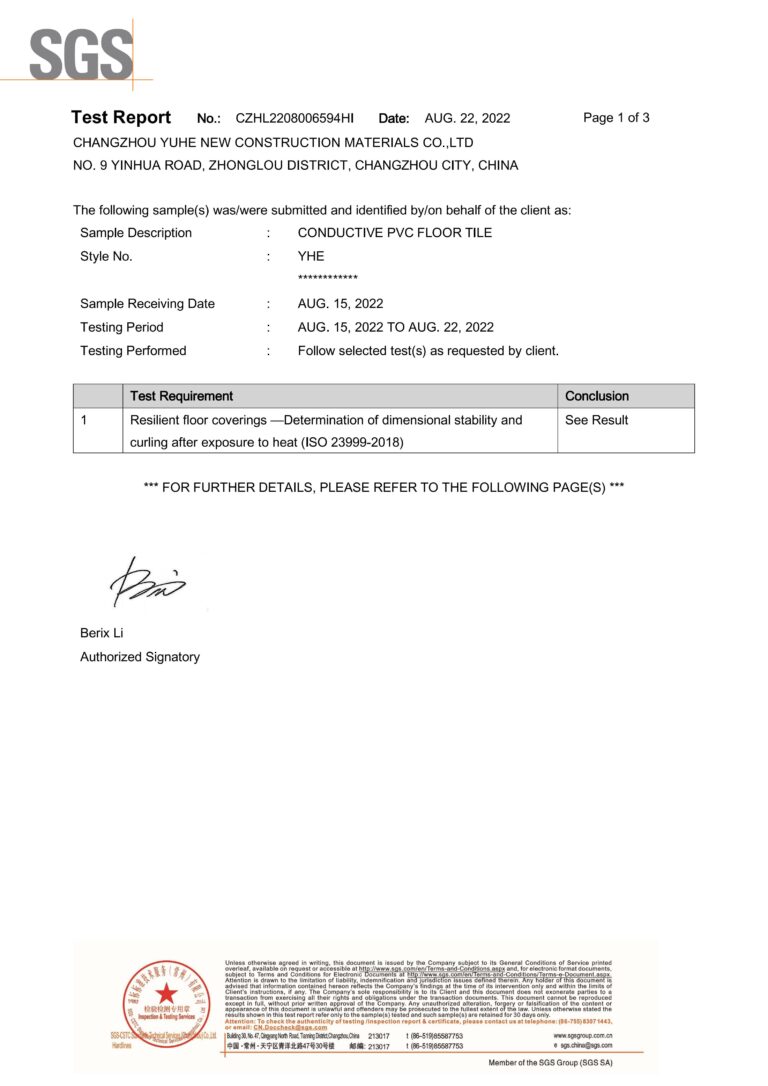
Dimensional Stability(%) ISO 23999:2018 0.05
Static Decaying Voltage SJ/T11236-2001 50V 100V
Static Decay(s) GJB2605-1996 ≤2
Wear Resistance EN 660-2:1999 Class P
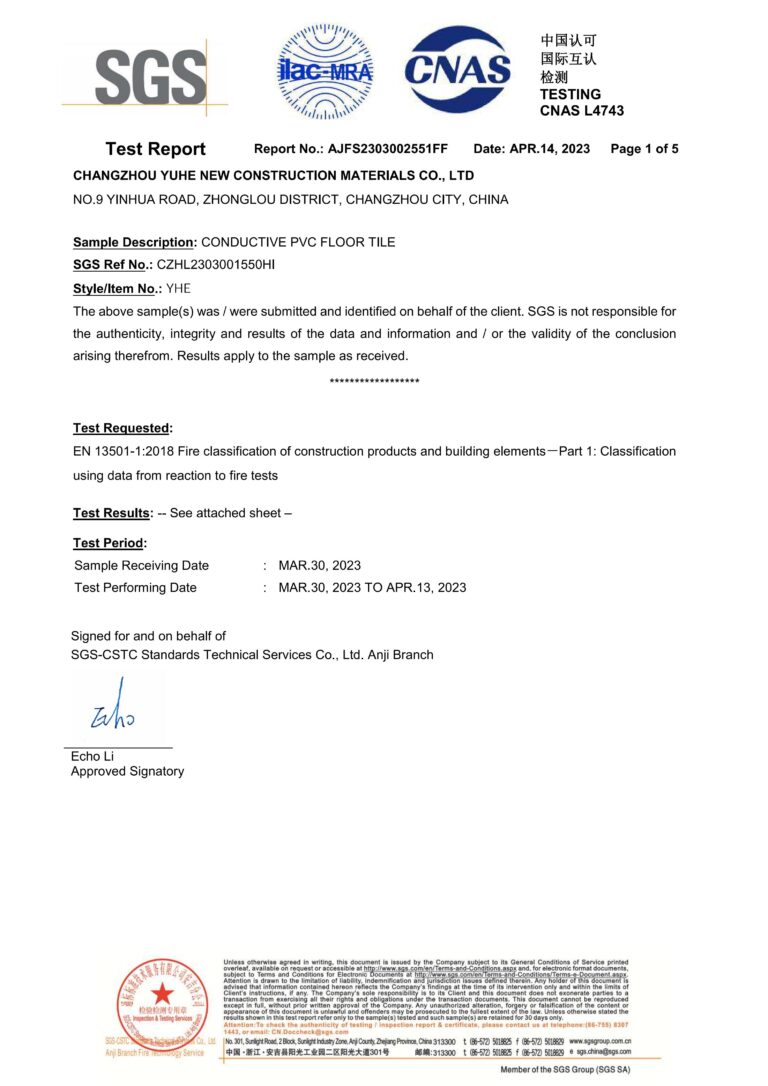
Fire Resistance EN13501-1:2007 Bfl-s1
Radiant Flux(W/cm²) ASTM E648-2017 ≥1.1
Slip Resistance Wet EN13893 ≥0.3
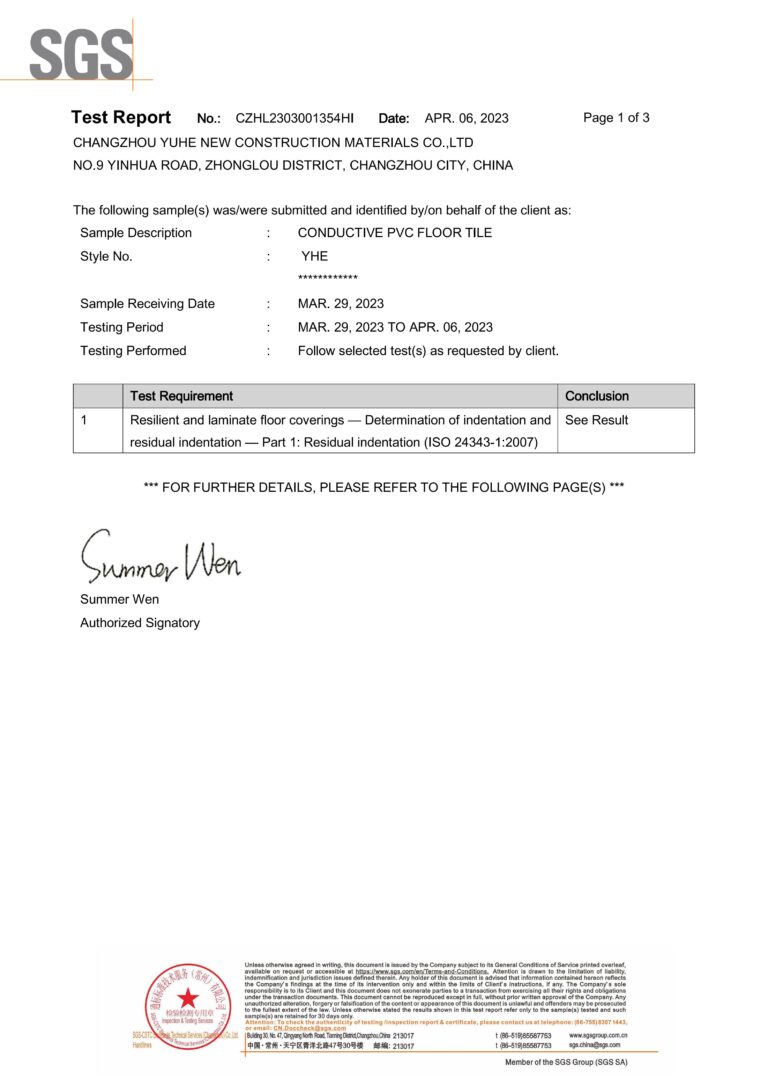
Residual Indentation(mm) ISO 24343-1:2002 0.01
Color Fastness ISO 105 B02 ≥6
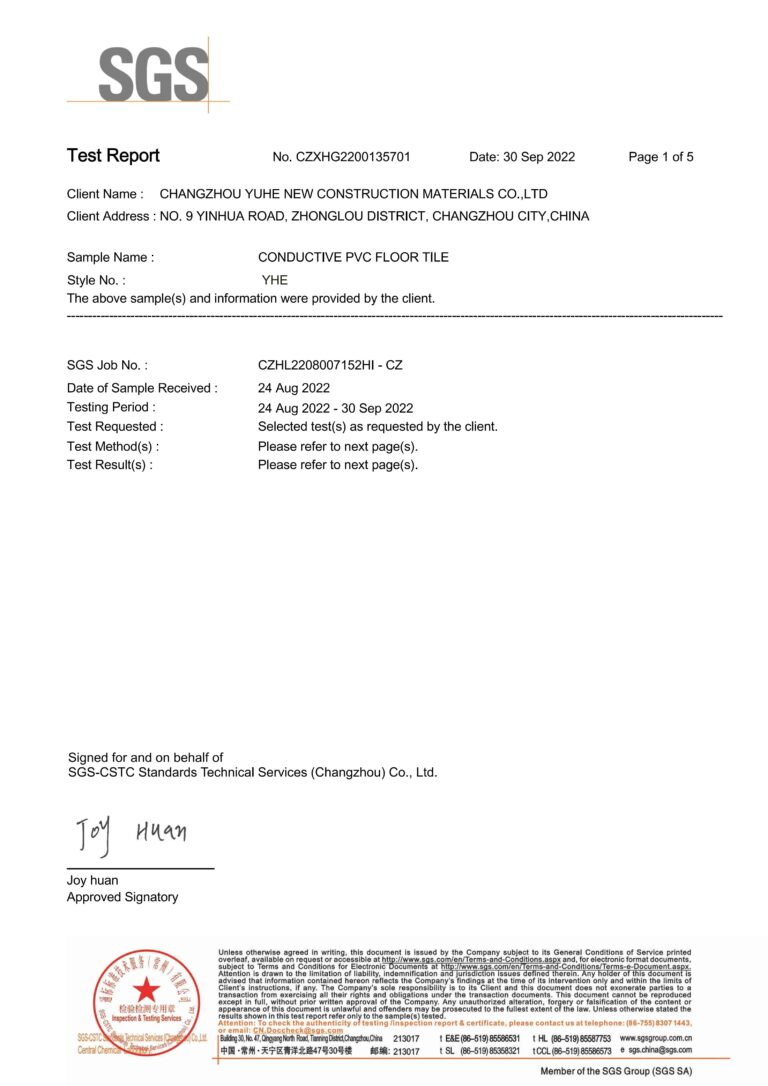
Chemical Products Resistance EN ISO 26987:2012 OK
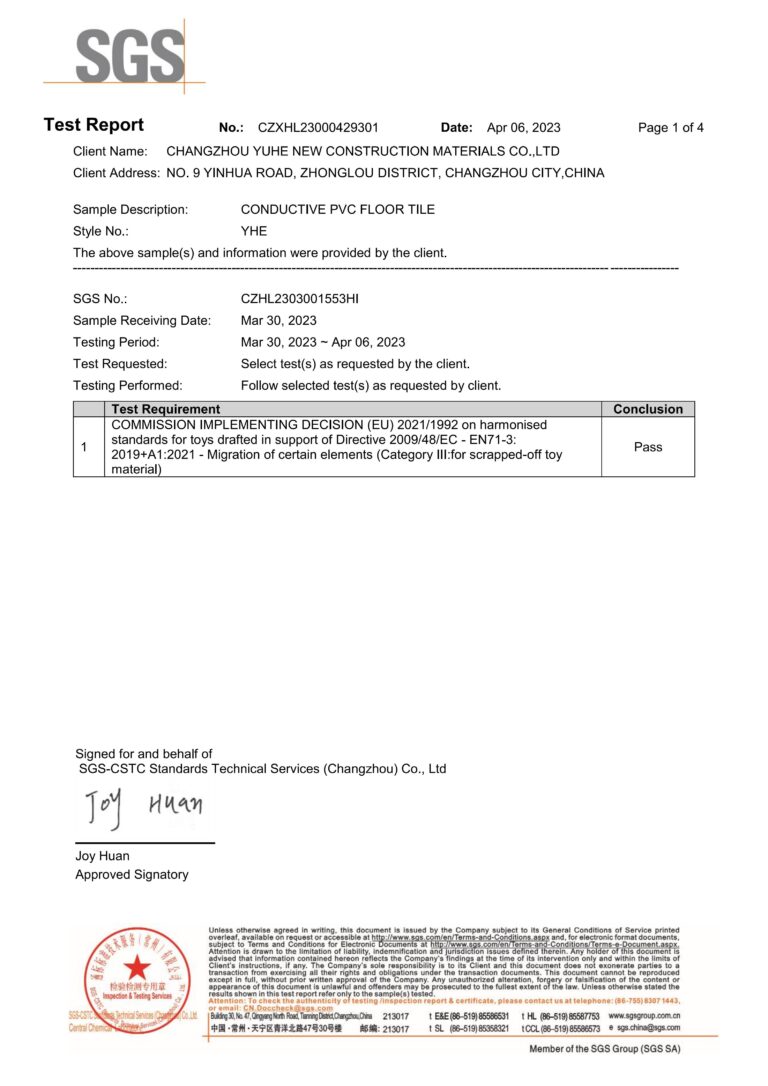
Migration of Certain Elements EN 71-3:2013 OK
RoHS Directive(%) EN 62321 0.003
TVOC After 28 Days(μg/m³) ISO 16000-3 <10

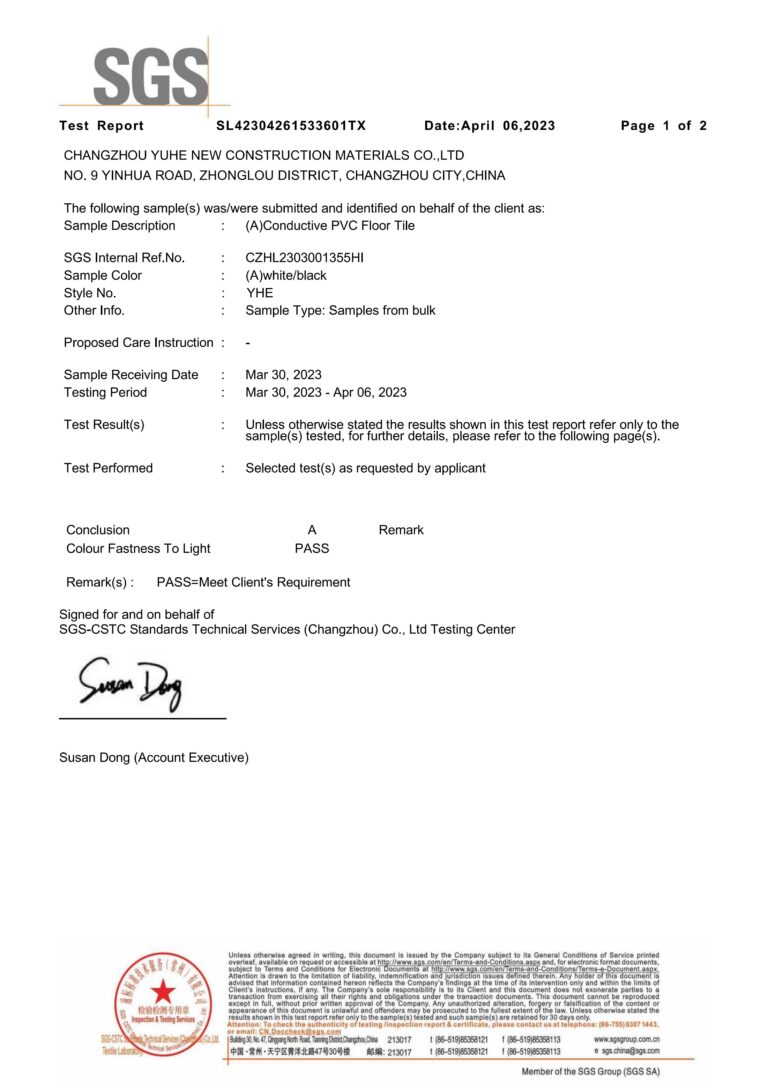
Certificates

FAQ

ESD Tiles are modular single-piece ESD floor materials with flexible installation, high cost performance, fire resistance, waterproof and wear-resistant properties. The modular design supports free splicing and arbitrary cutting, adapting to irregular ground and renovation projects. It is widely used in small and medium-sized electronic processing workshops, mobile accessory production lines, anti-static printing workshops, old factory floor renovations, and laboratory auxiliary areas, serving as the preferred solution for conventional ESD renovation projects.

ESD Tile installation is standardized and simple without complex hot-melt welding process. Qualified base ground, professional conductive glue and complete grounding copper strip network are sufficient for installation. Compared with ESD Sheet, ESD Tiles have faster construction speed and lower technical requirements, which greatly shortens the project cycle. It is the best choice for short-period renovation, small-area ESD projects and urgent production resumption demands.

With standard professional construction, splicing gaps will not damage the overall conductive loop. All tiles form a connected grounding network through conductive adhesive and copper strips to ensure stable static dissipation. However, compared with seamless ESD Sheet, tiny gaps exist, which may accumulate dust in long-term use. Therefore, ESD Tiles are recommended for conventional industrial anti-static areas rather than high-grade dust-free cleanrooms. Gap sealant can be used to improve dust-proof performance if needed.

High-quality homogeneous conductive ESD Tiles feature aging resistance and stable physical properties, with a service life of more than 10 years under normal working conditions. Its cost performance is prominent in three aspects: lower material and construction cost than roll flooring and integral epoxy ESD floor; faster construction and shorter project cycle; extremely low later maintenance cost, supporting single-piece replacement instead of overall floor renewal, effectively saving long-term operation investment for customers.

Anti-static ESD flooring tiles are designed to maintain their anti-static performance without the need for waxing under regular cleaning routines. This feature helps reduce maintenance costs. However, to extend the lifespan of the tiles and prevent significant scratches, ESD waxing is recommended as part of their maintenance.

ESD Waxing Recommendations

Frequency:

High Traffic Areas (People and Vehicles): ESD Waxing at least once a month.

Low Traffic Areas: ESD Waxing at least once every six months.

Waxing Type: Use ESD-specific wax to ensure the anti-static properties remain intact.

Old Wax Removal: Before applying new wax, remove the old wax using a specialized wax remover.

Cleaning After ESD Waxing

After ESD waxing, avoid cleaning the ESD flooring with water as it can affect the electrical resistance. Instead, use specialized oil-based cleaning agents for regular maintenance.

By adhering to these guidelines, you can maximize the durability and performance of your anti-static ESD flooring while maintaining its appearance and functionality.