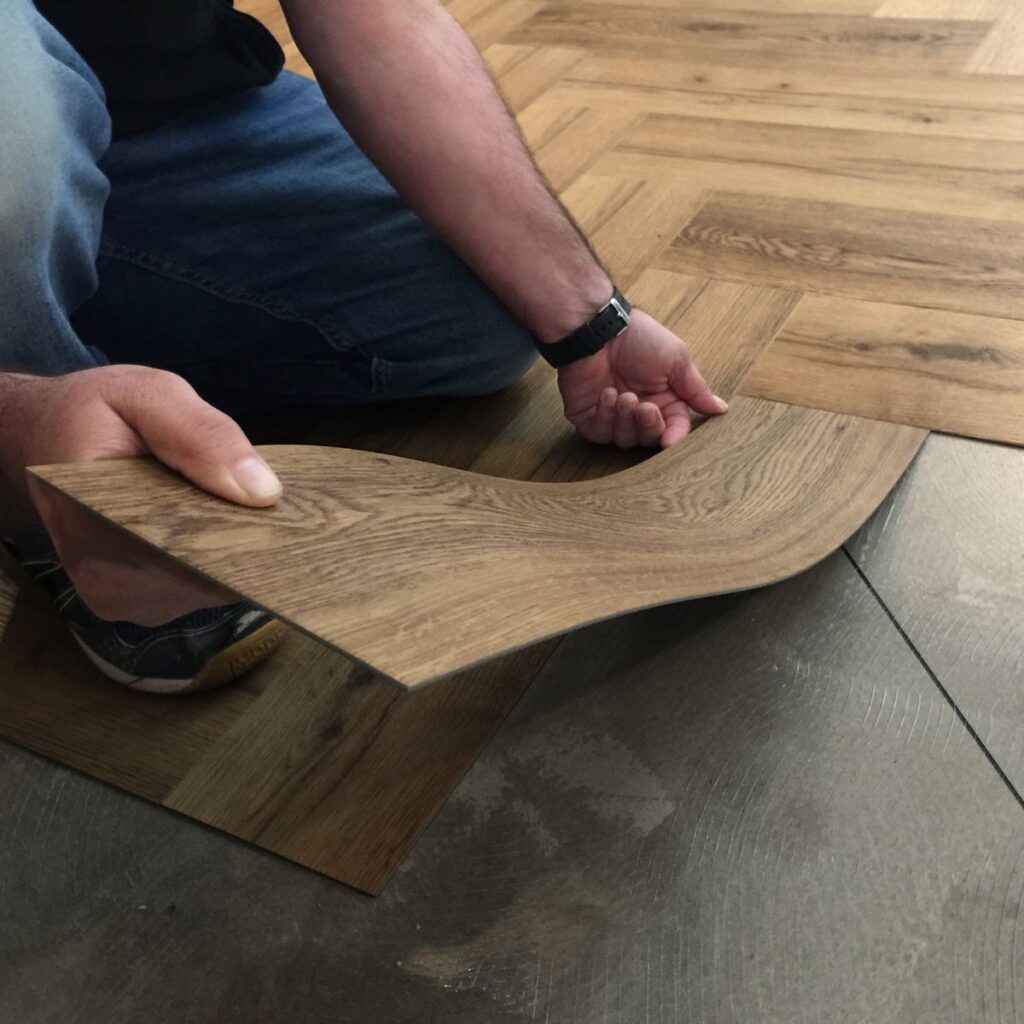
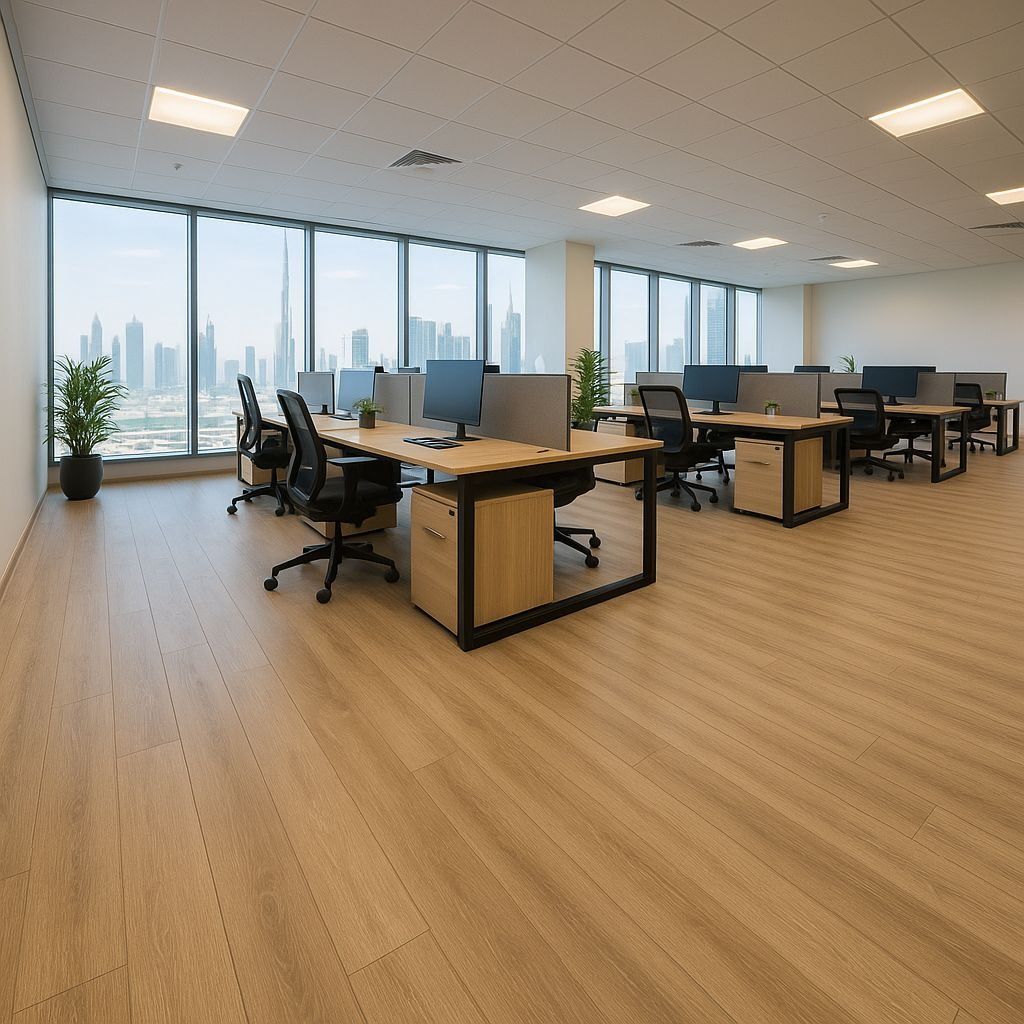
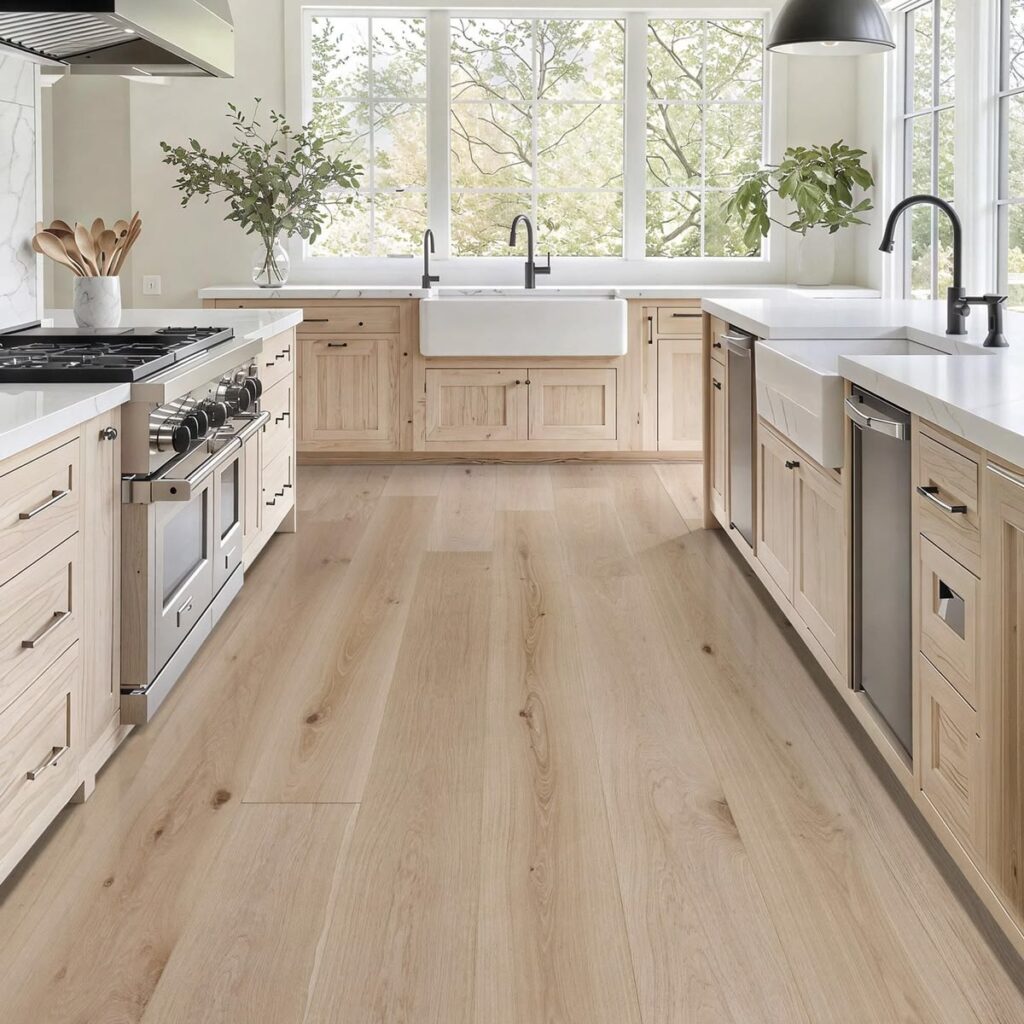
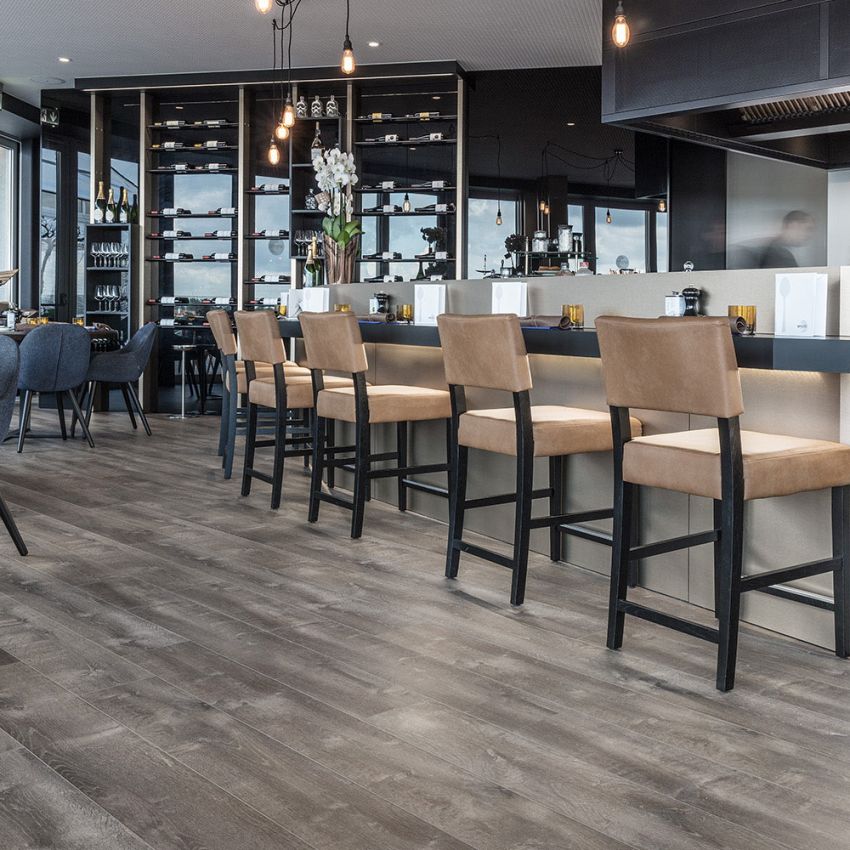
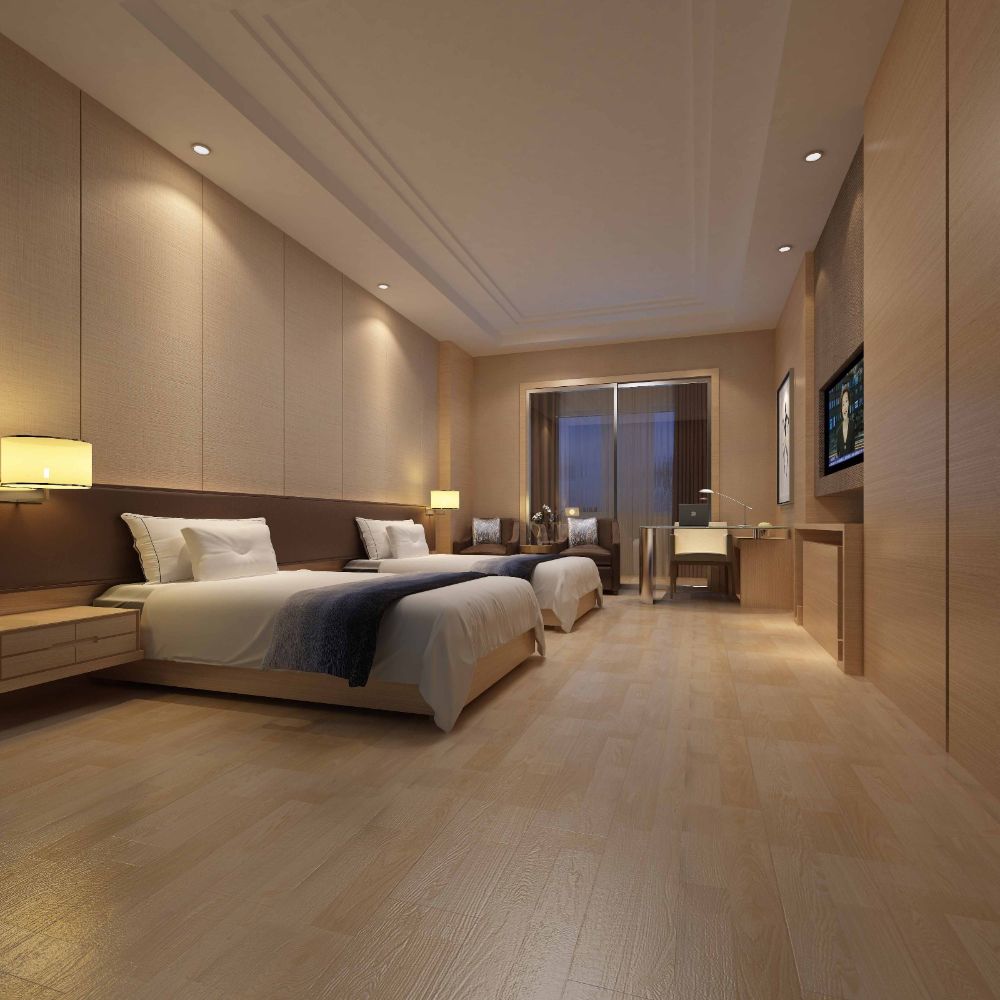
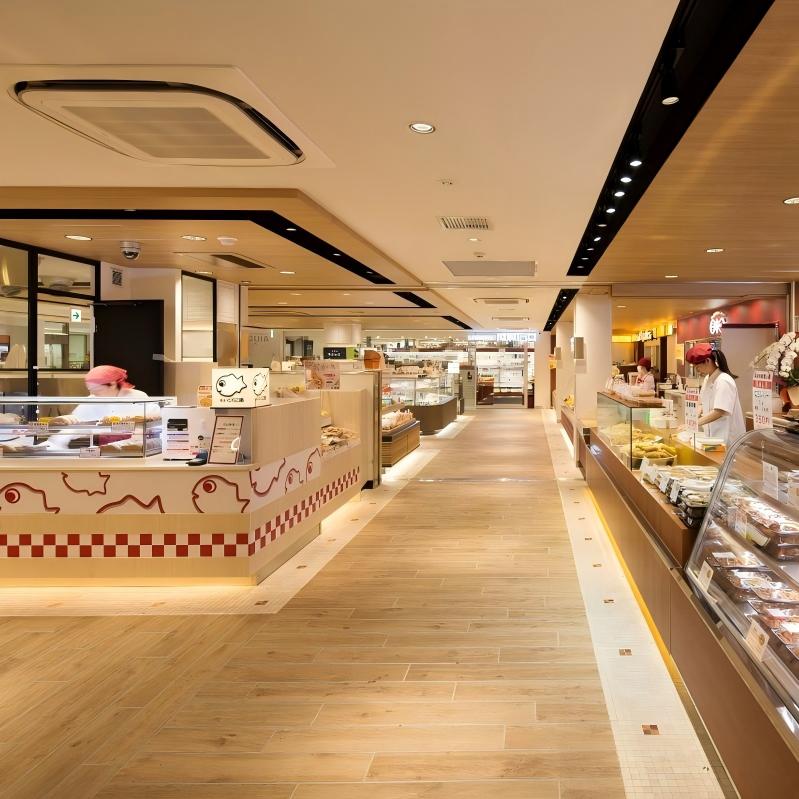
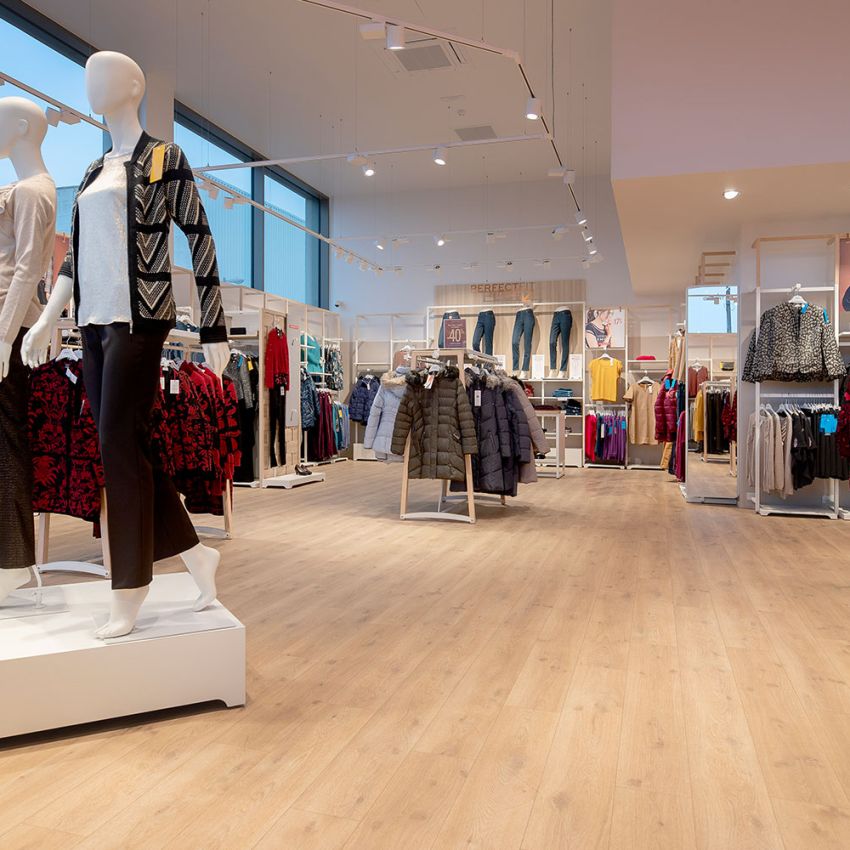
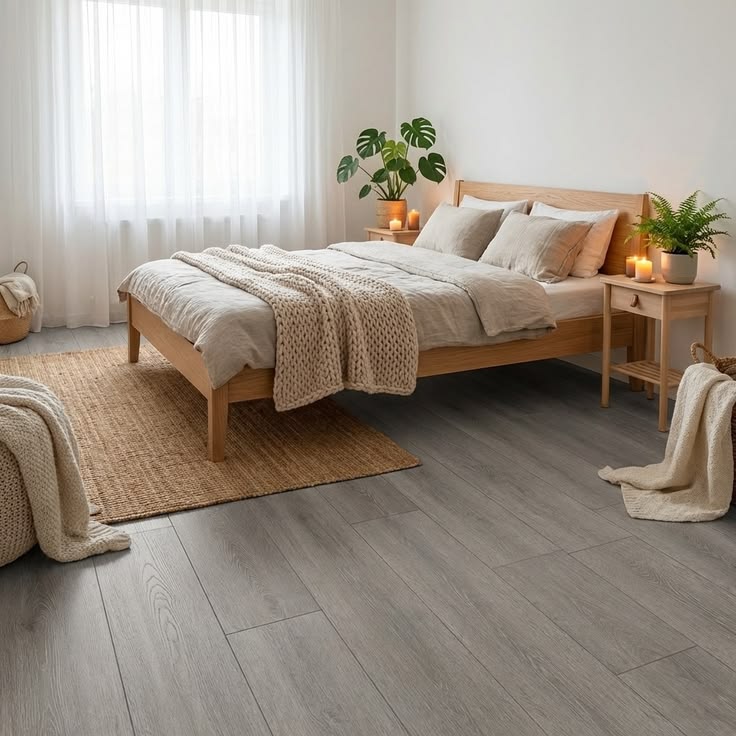
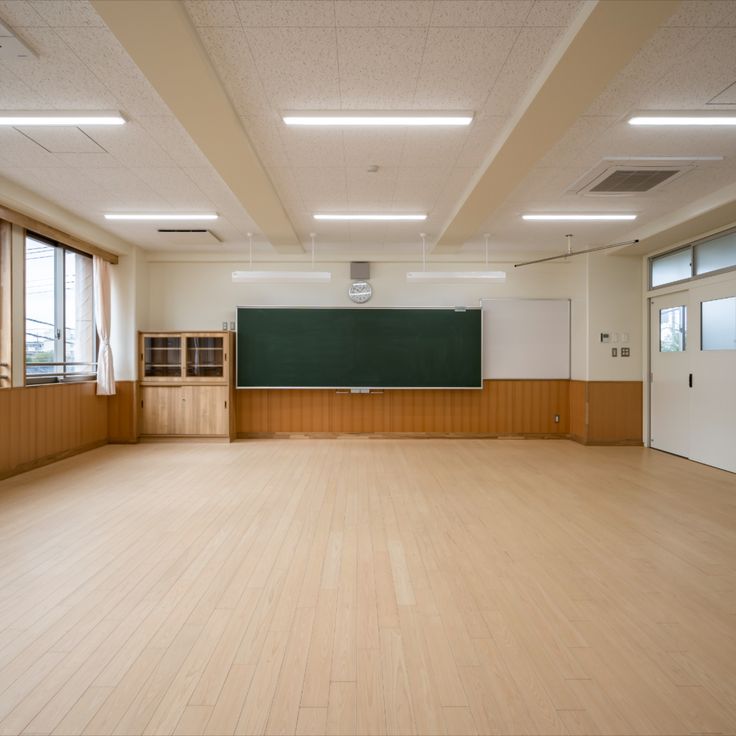
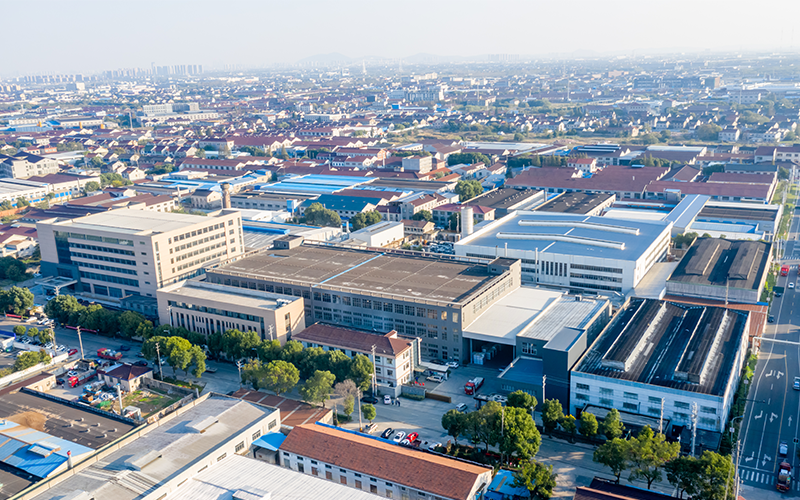
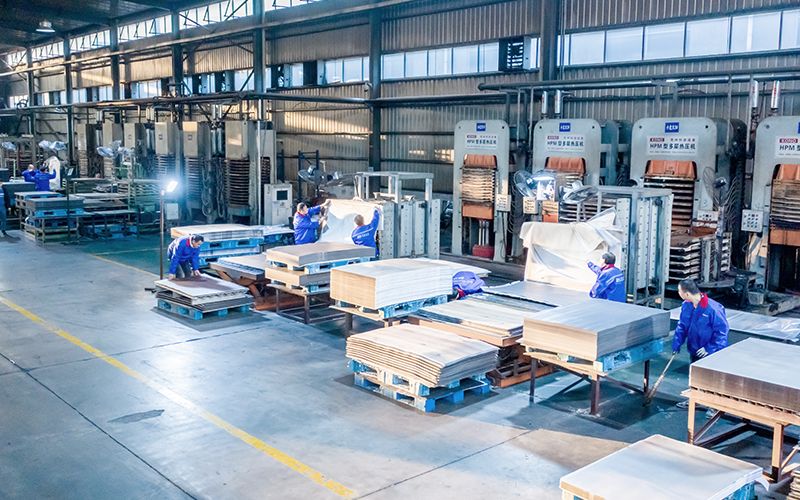
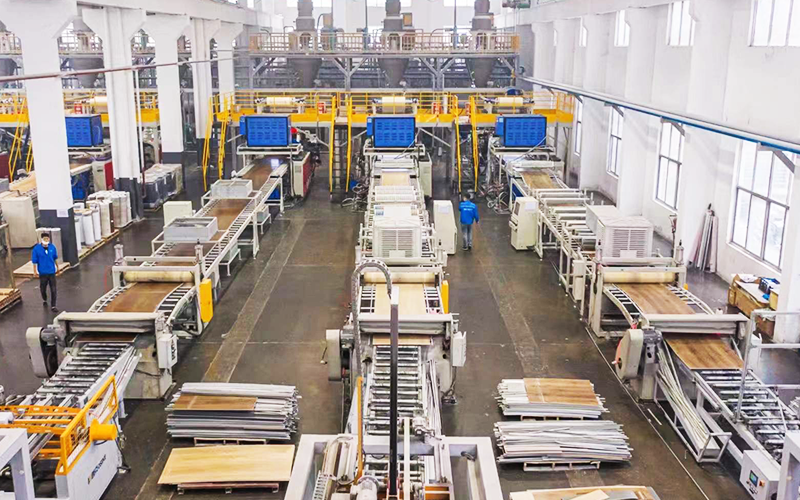
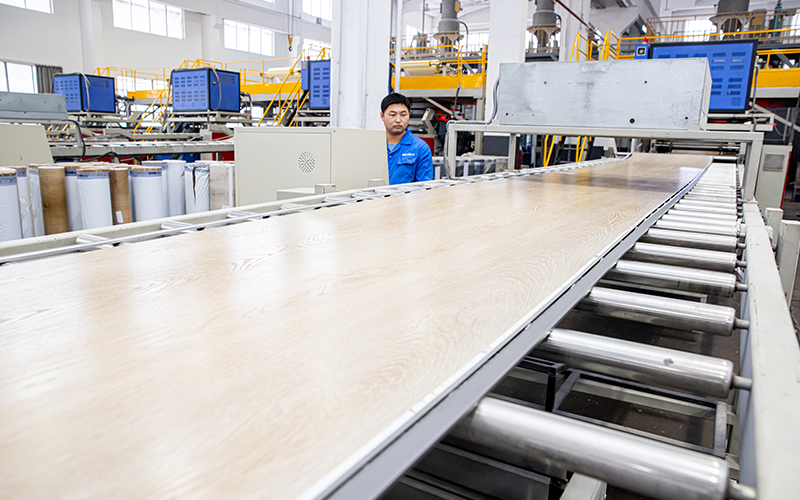
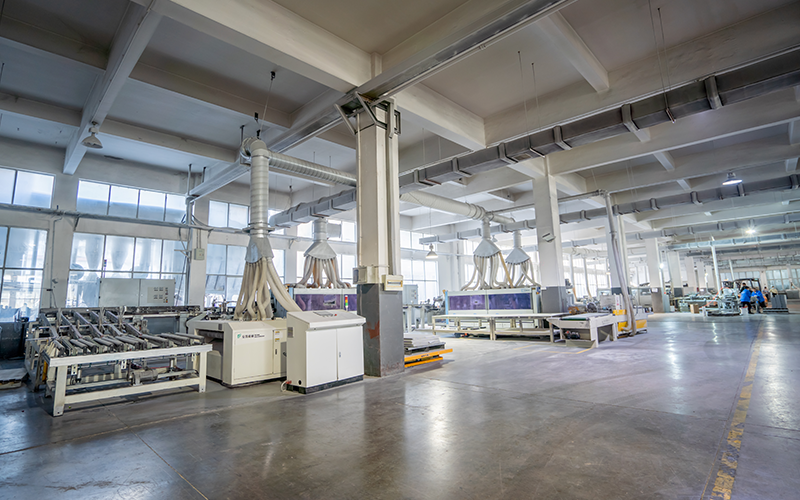
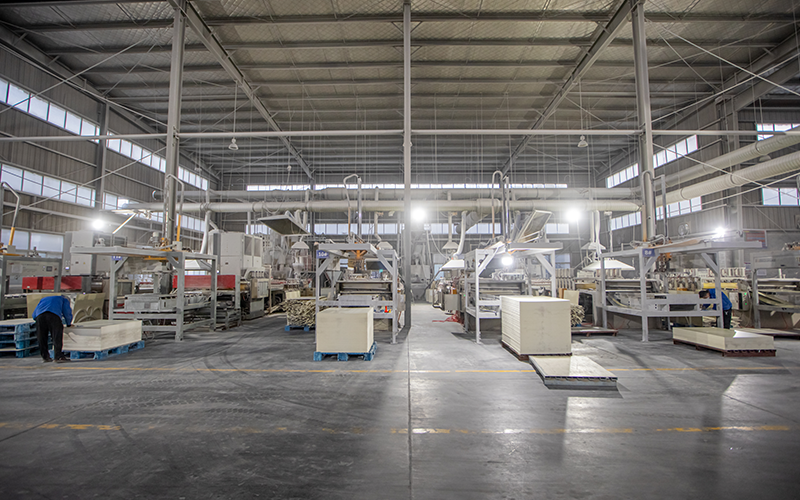
Y.H.F Dry Back LVT Flooring is a stable and precision-engineered flooring solution designed for permanent installation on both new and existing subfloors. It is easy to cut, easy to install, and easy to maintain, making it suitable for a wide range of commercial and residential applications.
With a slip resistance rating of R10, Y.H.F Dry Back LVT provides reliable surface safety, making it an ideal choice for installation over existing flooring systems in renovation and retrofit projects.
The flooring is fully bonded to the subfloor using professional-grade adhesive, ensuring excellent dimensional stability, long-term durability, and resistance to movement under daily use.
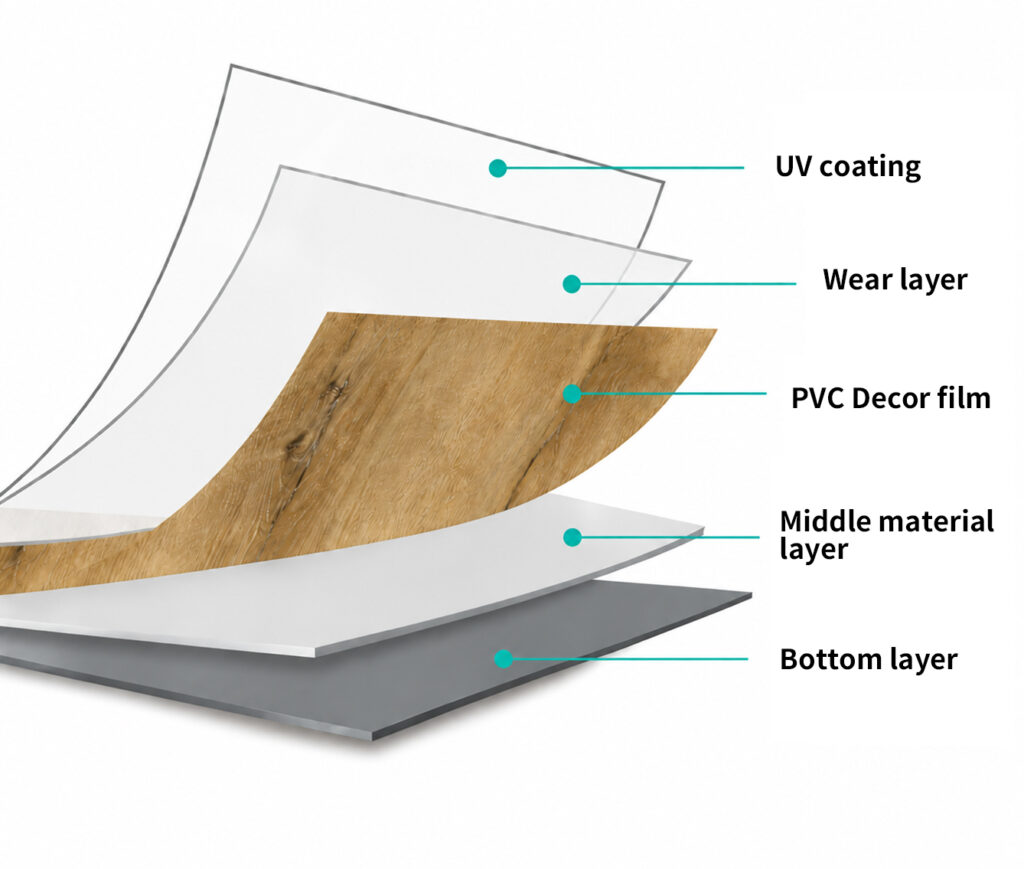
Dry Back LVT flooring features a flexible yet dimensionally stable PVC core construction, providing excellent dimensional stability along with strong stain, scratch, and impact resistance.
Dry Back LVT provides a perfectly flat, seamless surface when installed over a properly leveled subfloor with subfloor imperfections no more than 2mm.
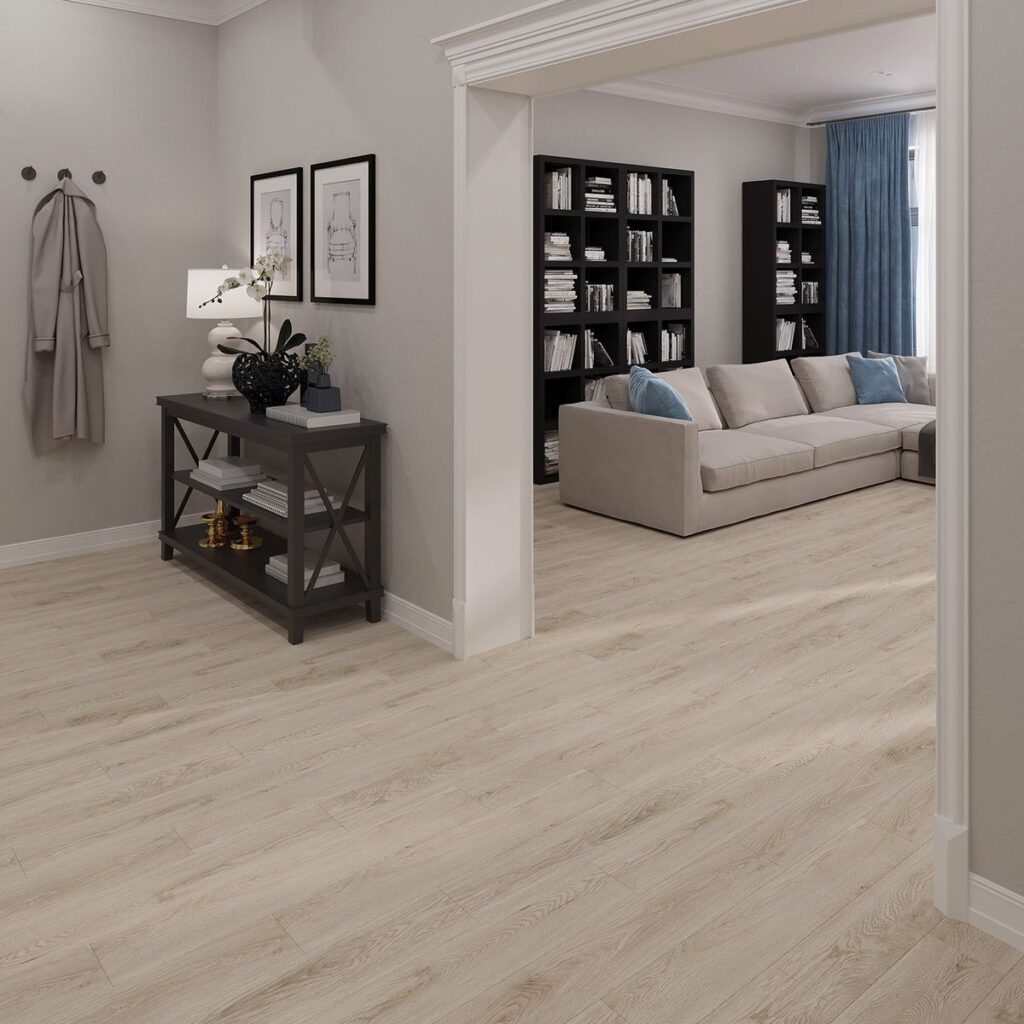
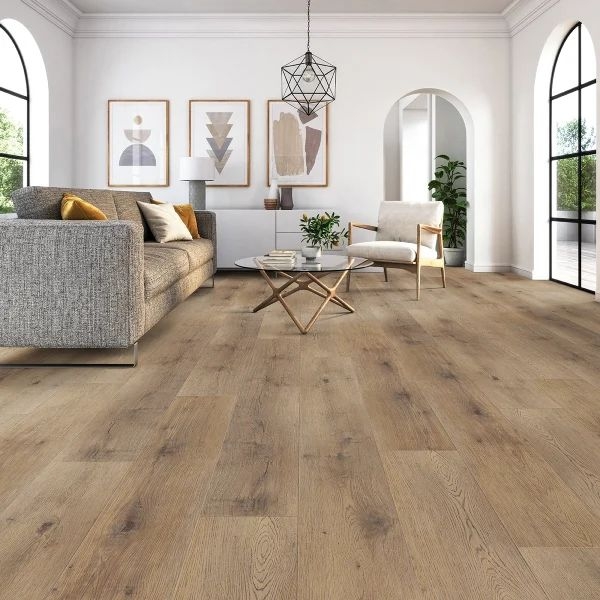
With a wide range of vibrant designs, natural textures, and bold decorative accents, Dry Back LVT is 100% waterproof and highly abrasion resistant, making it an ideal flooring solution for commercial, residential, office, retail, and hospitality projects, opening up endless interior renovation possibilities across different locations.
What Subfloor Conditions Are Required for Dry Back LVT Installation?
Dry Back LVT requires a properly prepared subfloor to ensure strong adhesion and long-term performance. The subfloor must be flat, dry, clean, and structurally sound before installation. Any dust, cracks, uneven areas, or contaminants should be fully removed or corrected to avoid bonding issues and surface imperfections. A well-prepared subfloor is essential to achieve stable installation results and prevent future flooring failure.
Dry Back LVT flooring is typically installed using high-performance acrylic or pressure-sensitive adhesives designed for vinyl flooring systems. The final adhesive selection should be based on site conditions, including subfloor moisture level and application environment.
Dry Back LVT installation should be carried out in a stable, climate-controlled environment. The recommended temperature range is between 16°C and 25°C(65°F to 80°F ), with relative humidity not exceeding 65%. The installation area should be conditioned for at least 48 hours prior to installation to ensure both the flooring material and subfloor are properly acclimated. Maintaining stable environmental conditions is critical to prevent expansion, contraction, and adhesive performance issues.
After installation, Dry Back LVT should be left undisturbed for the recommended curing period to allow full adhesive bonding. Regular maintenance should include routine cleaning using neutral pH cleaning agents and avoiding excessive water or harsh chemicals. Heavy furniture or traffic should be introduced gradually to ensure the adhesive fully sets. Proper maintenance helps extend the flooring lifespan and maintain its appearance and performance over time.