The Leading Vinyl Flooring Manufacturer of
Commercial Flooring Sheet in China

What is homogeneous vinyl sheet flooring in rolls? 

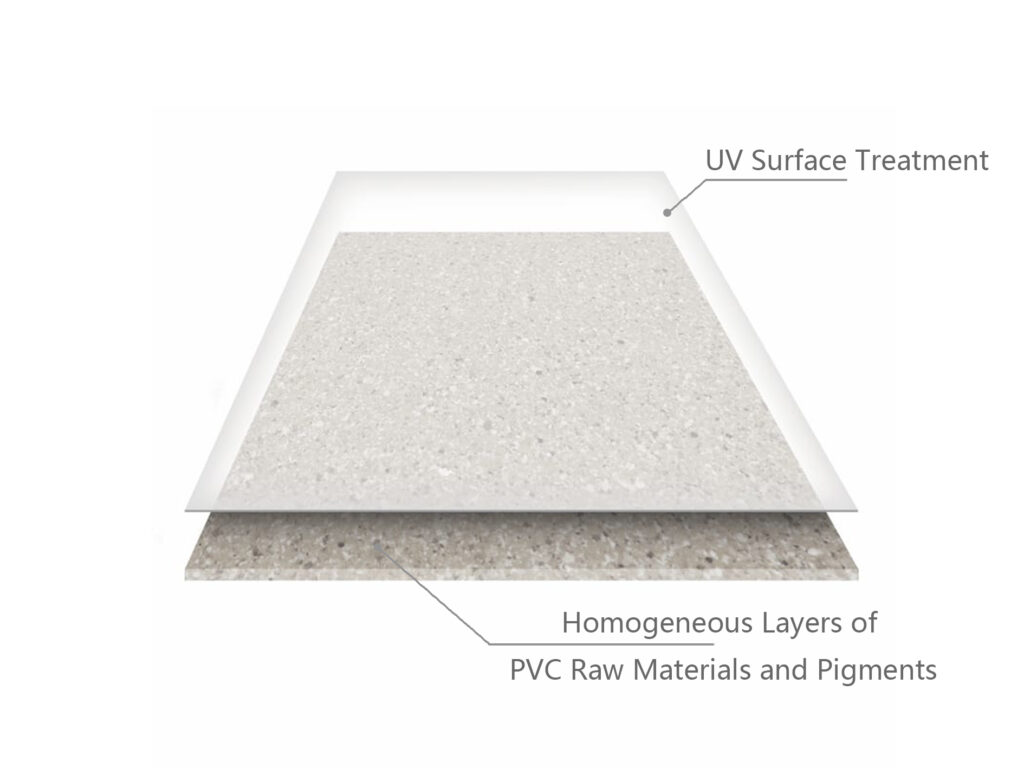
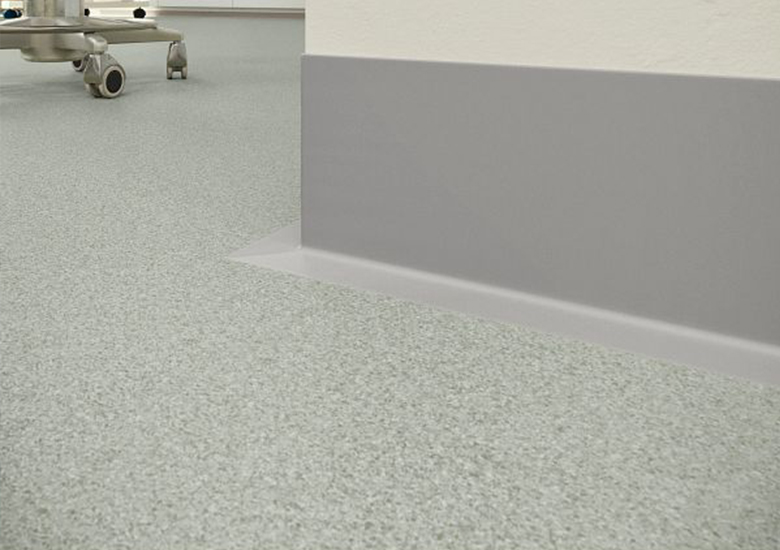
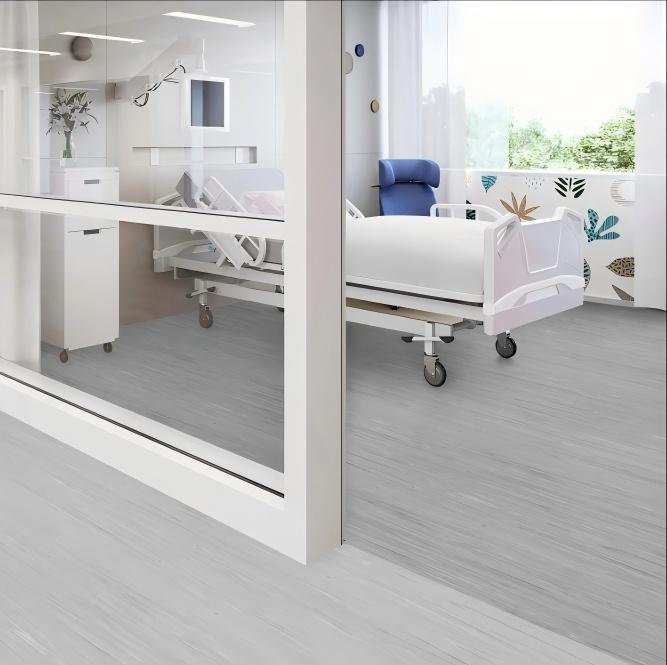
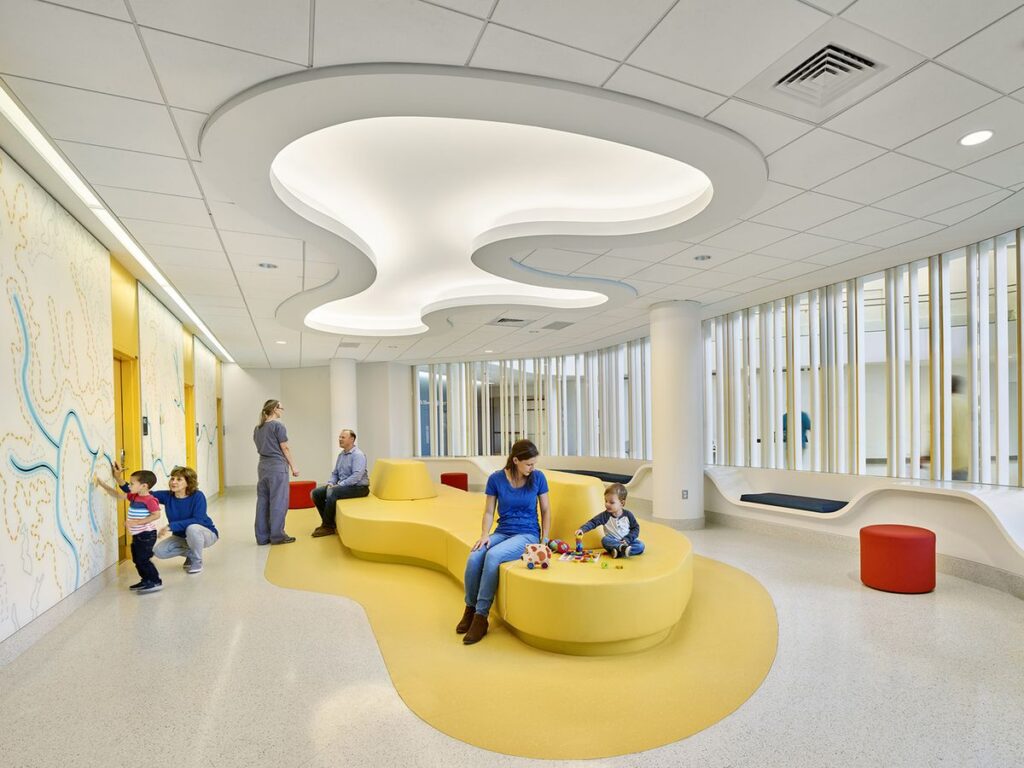
Homogeneous vinyl flooring is made of a single layer of PVC material, which shall be fully adhered to the subfloor and hot welded at seams. Compact homogeneous flooring is a sturdy and long-lasting solution for high-traffic spaces. Featuring outstanding wear resistance and easy maintenance, it is highly recommended for healthcare and educational environments. This type of PVC homogeneous flooring allows dry polishing renovation, eliminating heavy-duty cleaning tasks and reducing maintenance costs by 30% over the entire service life of the product. Acoustic, anti-static and slip-resistant versions are available as options.

What is heterogeneous vinyl sheet flooring in rolls? 

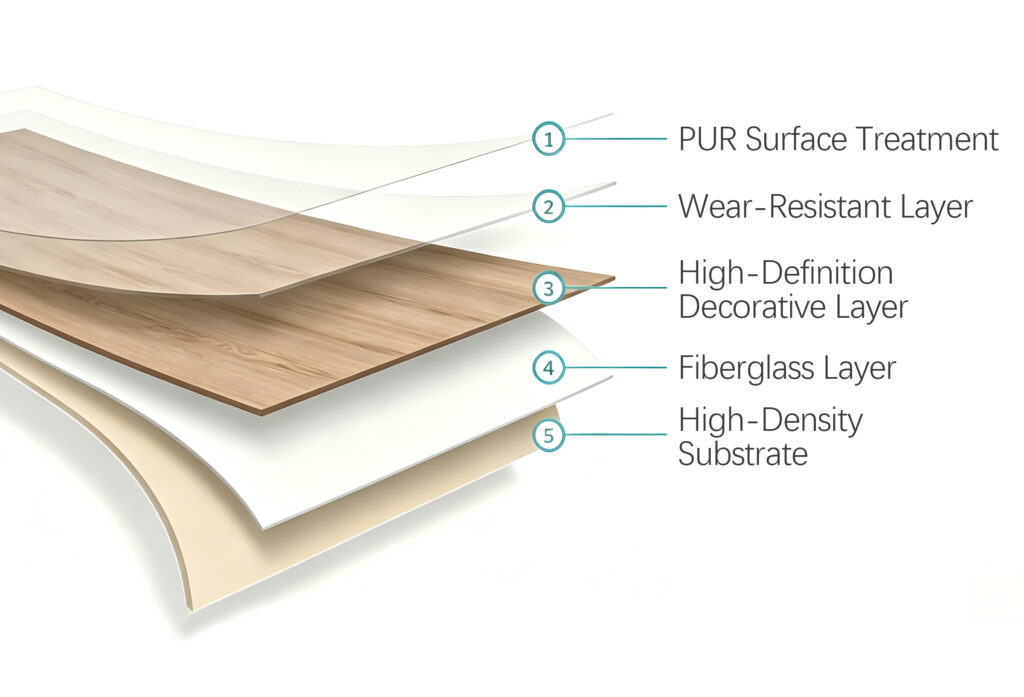
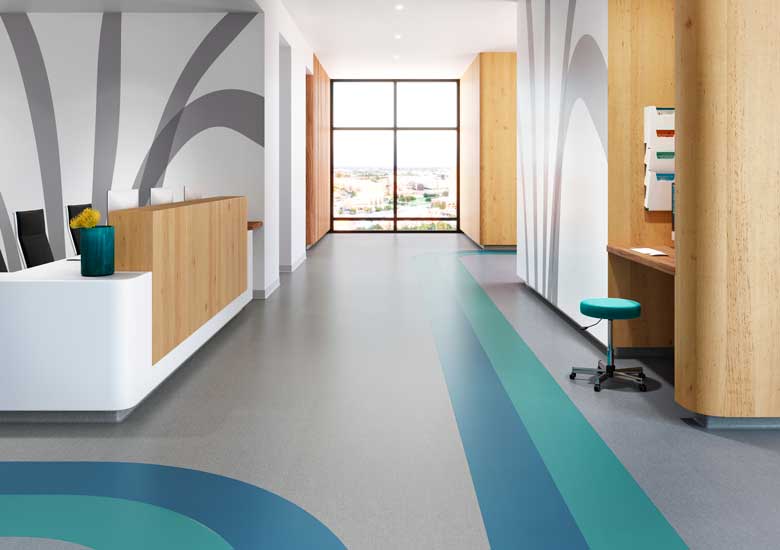
Heterogeneous vinyl flooring is a multi-layer vinyl with a printed top layer providing endless design possibilities, lasting performance and low maintenance cost. Our heterogeneous vinyl flooring is perfectly adapted for almost all application areas and we offer specialized flooring solutions like acoustic vinyl, slip resistant vinyl and loose lay vinyl.

Commerical Flooring Series

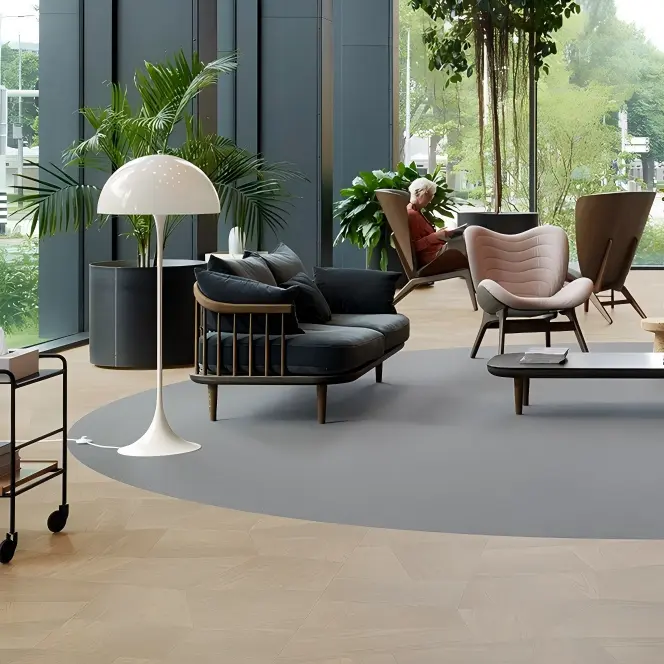
Durable Vinyl Flooring Solutions for High-Traffic Commercial Spaces

Safety​​​​​​​

Fireproof, waterproof, moistureproof, mildewproof. Absolutely outstanding performance for any occasion.


Environmental

Eco-friendly, 100% pure raw material with strict control, ensuring the health of each user. 


PUR

The PU material coating enhance the flooring intensity and anti-scratch property, more service lifetime.


Quiet underfoot

Water resistant
Anti-bacterial
Easy to clean and maintain
Easy to install


What is the difference between homogeneous PVC flooring and heterogeneous PVC flooring sheets?

Homogeneous PVC flooring is integrally calendered with unified texture and color. It only has a surface PU coating with no internal layers.

Heterogeneous PVC flooring has a multi-layer structure. Its decorative patterns lie in the middle layer, with obvious cross-section layering.

With superior wear and stain resistance, homogeneous flooring suits high-traffic sites like hospitals, laboratories and workshops.

Featuring diverse patterns and soft foot feel, heterogeneous flooring applies to offices, stores and residential spaces.


What is the Difference Between Directional and
Non-Directional Homogeneous Flooring?

  1. PVC Content

Homogeneous flooring falls under the PVC flooring category, composed primarily of PVC, calcium powder and auxiliary additives. Directional homogeneous flooring contains significantly less PVC than non-directional variants.

  1. Pattern Design

Directional homogeneous flooring features vertical striped linear patterns with distinct directional grain. It must be installed in a single consistent orientation; reversing the installation direction will cause obvious pattern misalignment and color difference.

Non-directional homogeneous flooring has dense speckled patterns of mixed hues with no prominent grain direction. No stark visual contrast appears when laid in different orientations, though uniform installation direction is still recommended for optimal aesthetics.

  1. Manufacturing Process

Directional homogeneous flooring adopts one-step forming technology: a simple, fast process that yields low material density.

Non-directional homogeneous flooring uses multi-step forming technology. Though production procedures are more complex, this method greatly boosts material density, enhancing wear resistance and extending service life.

  1. Price Gap

Both domestic and imported directional homogeneous flooring are priced lower than non-directional homogeneous flooring.

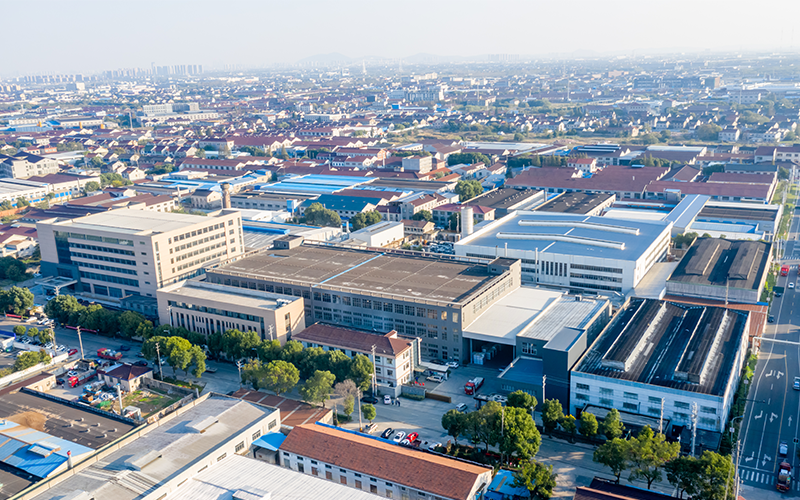
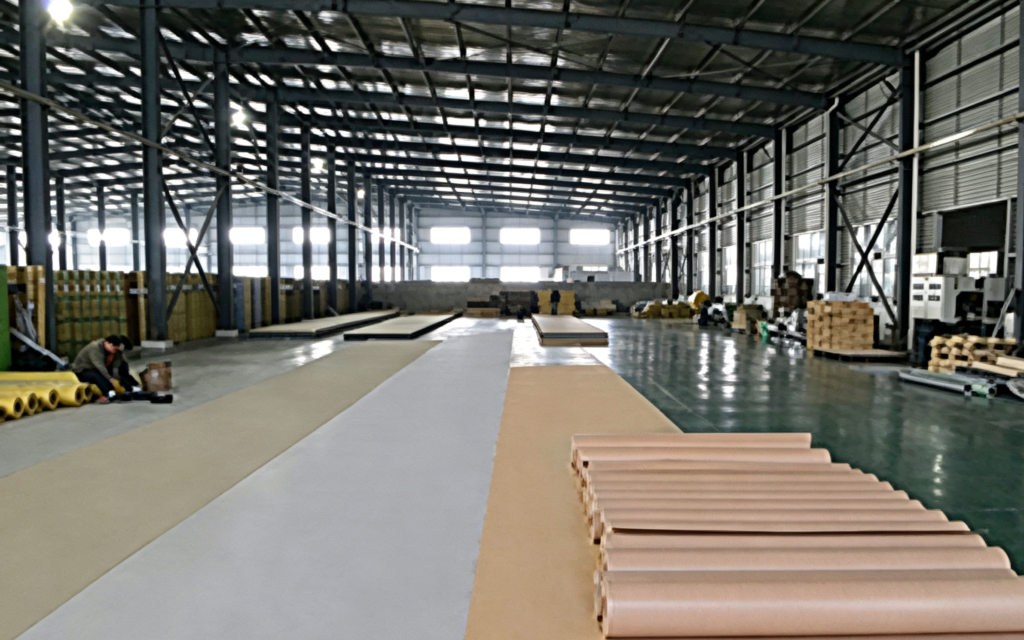
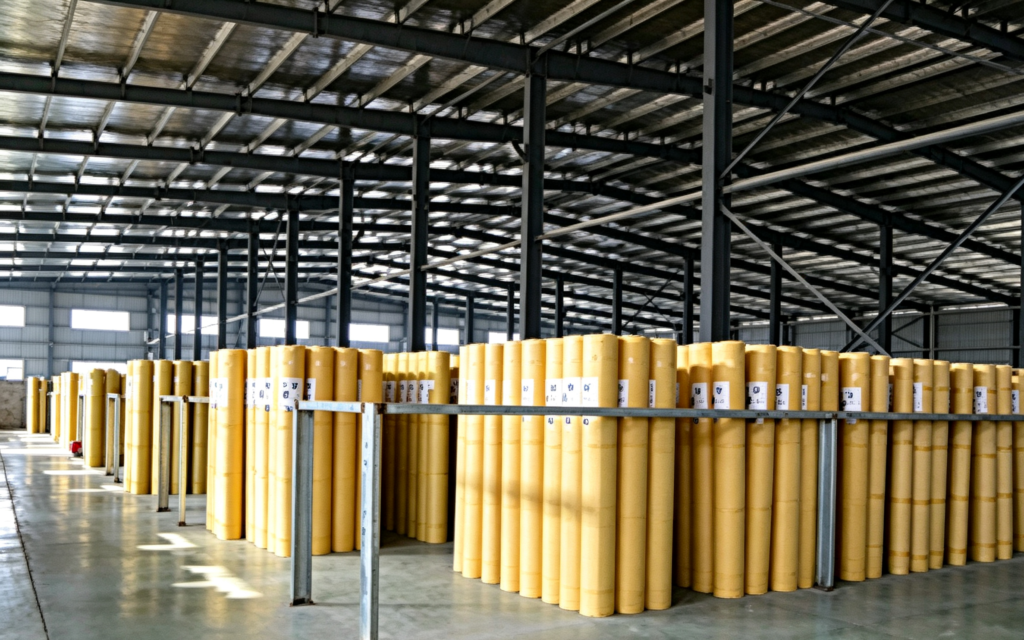
Manufacturing Facility

 FAQ

They can withstand medical alcohol, chlorine-containing disinfectants, iodine tincture, and common mild acidic & alkaline cleaners. Surface wiping for disinfection will not cause peeling, whitening, discoloration or corrosion.

General maintenance guidelines: Lay dust removal mats at doorways to reduce abrasion from sand and gravel; fit heavy tables and chairs with soft rubber foot pads; perform professional floor cleaning and maintenance once every quarter.

  • Daily cleaning: Wipe with dry or slightly damp mop. For heavy dust, dilute all-purpose neutral cleaner with water for mopping.
  • Disinfection cleaning: Wipe with diluted alcohol or standard chlorine-containing disinfectant, or clean using a low-speed floor scrubber. No secondary water rinsing required after disinfection; simply air-dry naturally.
  • Stubborn stains: Gently rub with an eraser or neutral stain remover. For adhesive residues, apply dedicated glue remover locally to clean.

The MOQ is one 20′ container, 10 pallets, covering 6,400 square meters, allowing up to 4 colors from the E-Catalog.

For orders smaller than one container, the MOQ is 500 sqm per color for stock colors, or 1,000 sqm per color for colors selected from the E-Catalog.