
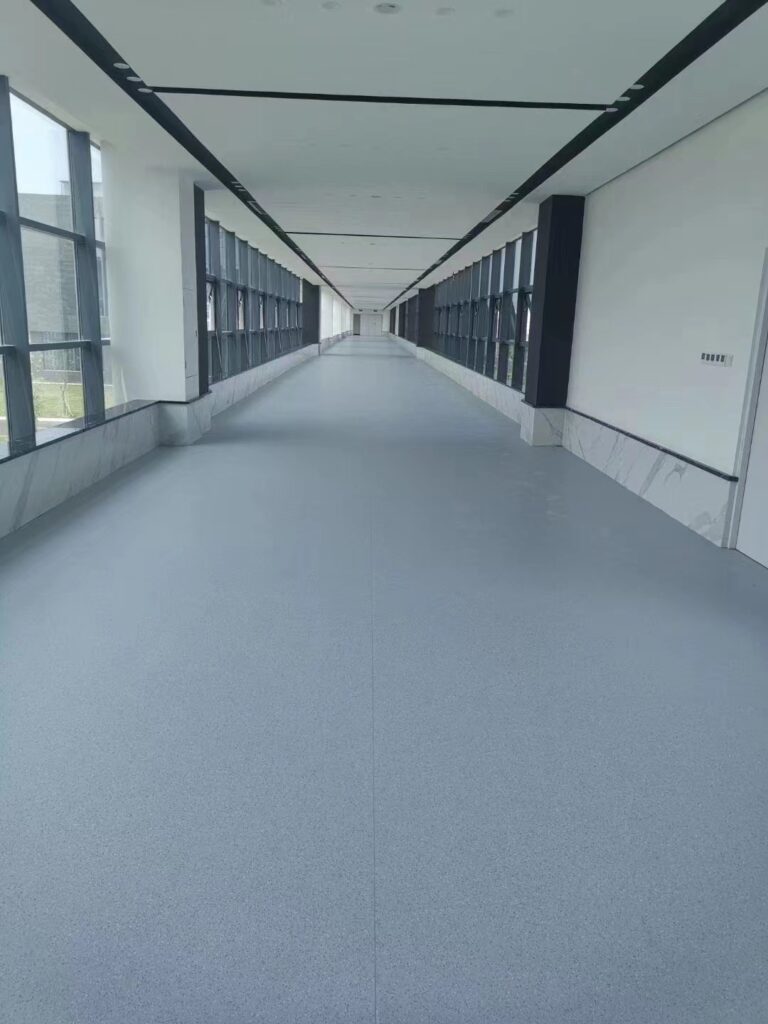
Airport terminals, school corridors, classrooms, and public passageways represent the most demanding commercial flooring scenarios. These spaces feature continuous high-volume foot traffic, frequent rolling loads from luggage carts and trolleys, accidental impacts, long operating hours, and strict hygiene and safety requirements. Among all commercial flooring materials, homogeneous vinyl flooring stands out as the optimal solution for heavy-duty traffic areas. Thanks to its integrated structure, superior durability, low maintenance cost, and comprehensive safety performance, it has become the preferred flooring option for large public infrastructure and educational institutions worldwide.
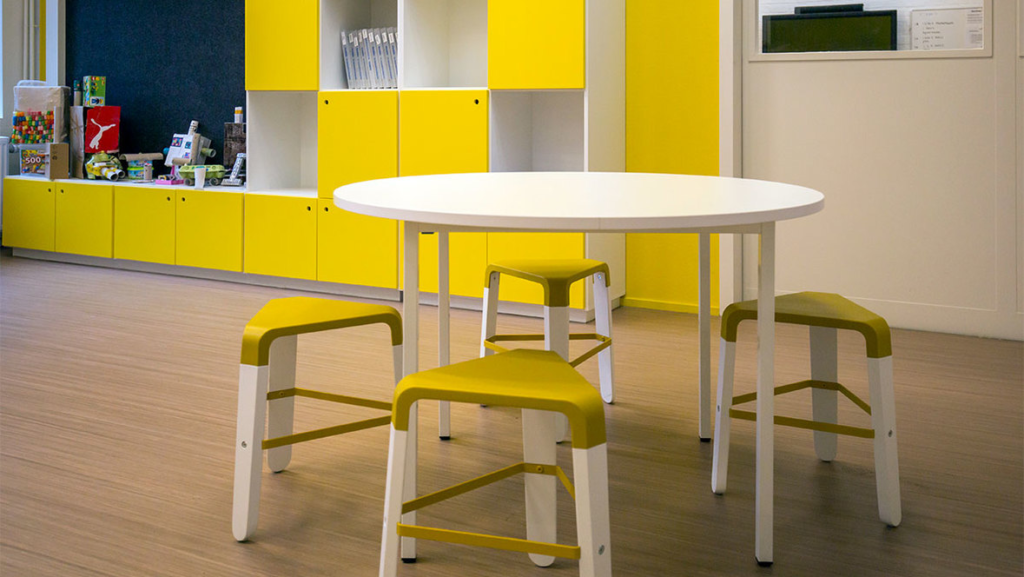
Integrated Homogeneous Structure, Ultra-Long Wear Resistance
The core advantage of homogeneous vinyl flooring lies in its full-thickness uniform composition. Unlike multi-layer composite vinyl flooring with separated surface and base layers, it adopts a one-piece integral structure with consistent color, density, and texture from the top surface to the bottom base. There is no fading risk during long-term use.
For high-traffic environments such as airport arrival/departure halls and school walking paths, this structural design delivers unparalleled wear resistance. It effectively resists continuous friction from dense pedestrian traffic, rolling pressure from luggage carts, cleaning equipment and student trolleys, as well as accidental scratches and gouges. Even after years of high-frequency use, the floor will not expose the underlying base layer or produce uneven color difference. With professional dry buffing and resurfacing treatment, minor surface wear can be easily repaired to restore a brand-new appearance, supporting a service life of 10 years in heavy-duty scenarios.
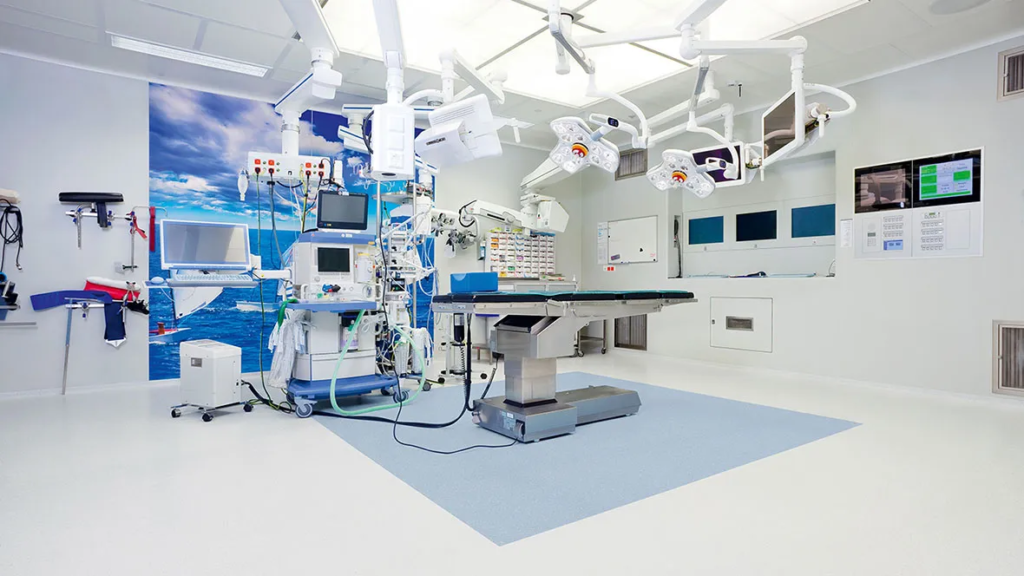
Excellent Load and Impact Resistance, Adaptable to Complex Scenarios
Airports and schools are exposed to diverse and complex floor load challenges. Airports are subject to heavy rolling loads from full‑size luggage carts and service vehicles, whereas schools frequently face impacts from falling stationery and sports equipment, as well as constant crowd congestion. Homogeneous vinyl flooring is produced with high‑density PVC resin and a modified formula, delivering stable structural toughness and outstanding compression resistance.
It can effectively disperse instantaneous impact force and long‑term rolling pressure. Its reliable load‑bearing stability keeps the floor flat and in good condition throughout the year. Even in public areas operating 24/7 at high usage intensity, it helps minimize frequent replacement and maintenance work resulting from floor damage.
Low-Cost & Effortless Maintenance, Ideal for Public Operation
Public venues such as airports and schools cover large areas with high daily usage, which places high demands on flooring in terms of maintenance efficiency and cost‑control. Homogeneous vinyl flooring features a dense non‑porous surface with advanced PUR surface treatment technology that fully seals surface micropores for easy cleaning and maintenance. The floor surface resists dust, stains and liquid penetration; routine upkeep can be completed by simple dry mopping and damp cleaning using neutral detergents. Waxing treatment may be carried out as needed after long‑term service life. Meanwhile, it enables integral heat‑welded seamless installation to prevent dirt and bacteria from accumulating in joints, substantially easing the cleaning burden for facility management teams. For large‑scale public spaces, such low‑maintenance properties help greatly reduce long‑term operational and labor costs.
Multi-Dimensional Safety Performance, Protecting Pedestrian Experience
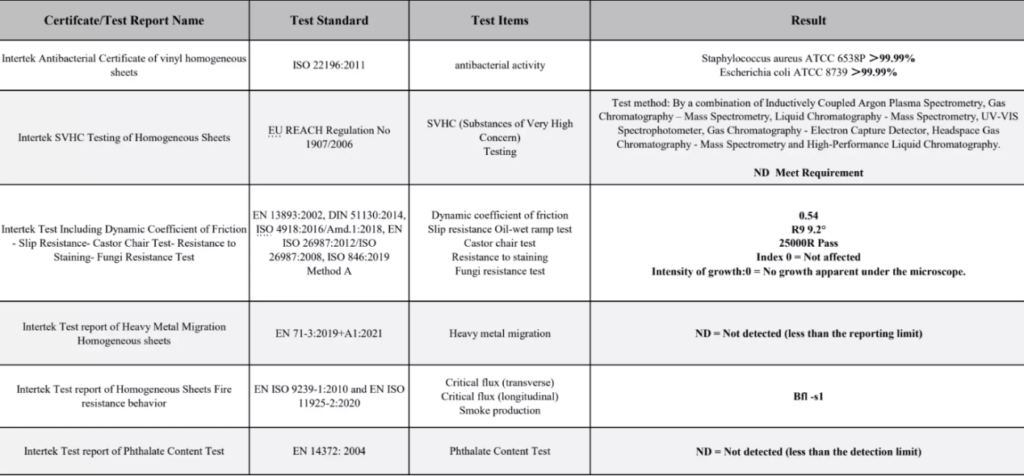
Safety is the primary consideration for public flooring in airports and schools, and homogeneous vinyl flooring integrates anti-slip, shock absorption and noise reduction functions to meet the rigorous safety standards of heavy-traffic areas.
In terms of anti-slip performance, its professional matte textured surface maintains stable anti-slip coefficients in dry and slightly wet conditions, effectively preventing slips and falls for pedestrians in crowded and hurried scenarios, which is especially suitable for students and elderly passengers. In terms of foot feel and protection, the material has moderate resilience, which buffers walking impact, reduces foot fatigue of staff who stand for a long time, and minimizes injury risks from accidental falls of students.
In addition, it has outstanding acoustic damping performance, which can absorb walking footsteps, trolley rolling noise and crowd noise, reduce indoor reverberation, create a quiet learning environment for schools, and a comfortable waiting and transit environment for airports.
Conclusion
From structural durability and pressure resistance, to maintenance efficiency, safety and environmental protection, homogeneous vinyl flooring fully matches the core demands of heavy-duty traffic areas such as airports and schools. Its professional commercial-grade performance solves various pain points of traditional flooring materials in high-frequency public usage scenarios. It is not only a practical and reliable ground material for current public infrastructure construction, but also a high-value long-term investment for venue operation and management.