
Knowledge Center
Technical Flooring Knowledge & Installation Guides
Best Wear Layer for Residential & Commercial Flooring?
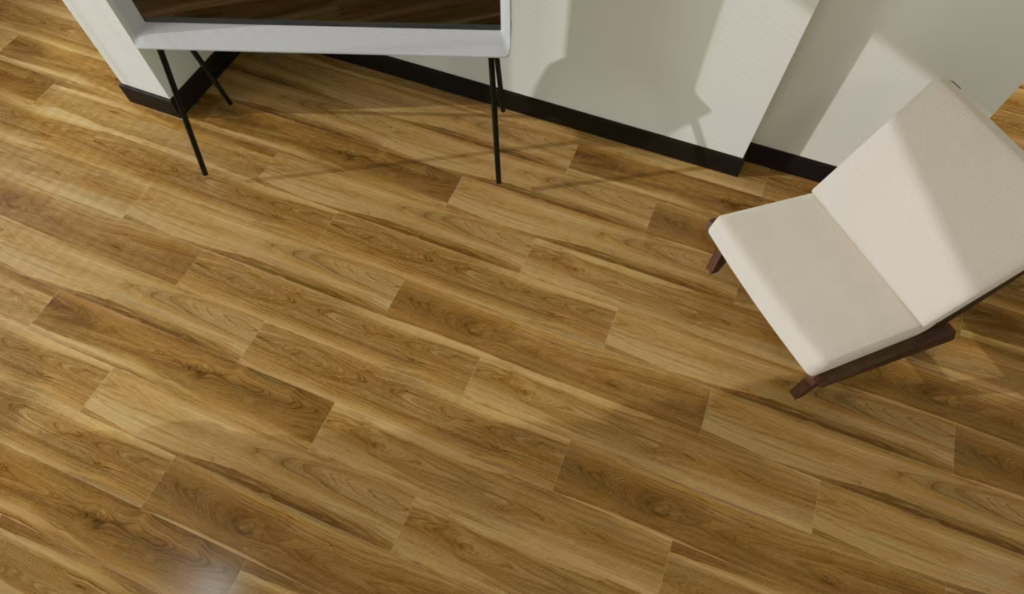
In the world of resilient flooring—particularly SPC and LVT—the core determines stability, but the wear layer dictates longevity. It is the invisible shield that stands between a beautifully designed floor and the relentless friction of daily life.
Why Does SPC Flooring Fail After Installation? 2 Common Mistakes to Avoid
SPC (Stone Plastic Composite) flooring has taken the global market by storm due to its exceptional dimensional stability, 100% waterproof nature, and user-friendly click-lock system. However, even the most premium SPC plank can fail if the installation fundamentals are neglected. Among the most common post-installation issues—such as clicking noises, unlocked joints, and buckling—nearly 90% stem from two critical mistakes: incorrect subfloor preparation and improper expansion gaps– Based on YHF after-sales service records between 2022 and 2025.
Can SPC Flooring Be Installed Over a Heating System?
SPC flooring is compatible with both electric and hydronic underfloor heating systems. Its rigid stone composite core provides excellent dimensional stability under temperature changes, making it suitable for residential and commercial heated floor applications.
How to Choose a Qualified SPC Flooring Supplier?
Before choosing an SPC flooring supplier, professional buyers should evaluate more than just the factory price. The right supplier should provide proven product engineering, consistent manufacturing quality, compliance support, and reliable service throughout the project lifecycle.
When evaluating a supplier, buyers should focus on five key areas:
Manufacturing capability and supply stability
Product performance and quality consistency
Certifications and compliance standards
Export experience and market support
Customization and technical service
Can SPC Flooring Be Waxed or Polished?
If ou’re shopping for SPC flooring or just had it installed, you’ve probably wondered: do I need to wax it, polish it, or do any of that fancy upkeep that comes with hardwood floors?
It’s a super common question — especially for anyone used to traditional wood floors that need regular buffing and waxing to stay shiny.
Let’s cut straight to it: No. SPC flooring does not need to be waxed or polished. In fact, doing so can actually damage your floor and make it look worse over time.
That’s one of the biggest perks of SPC: it’s built to be low-effort, long-lasting, and beautiful right out of the box — no extra maintenance rituals required.
SPC Flooring vs Laminate Flooring: What’s the Difference and Which Is Better for Your Project?
Many buyers hesitate between SPC flooring and laminate flooring during renovation or commercial project procurement. The core difference lies in their core materials:
Laminate: HDF high-density fiberboard (wood fiber + adhesive), wood-based substrate
SPC: Stone-plastic composite core (limestone powder + PVC), zero wood fiber, fully mineral-plastic structure
What is Loose Lay Vinyl Flooring?
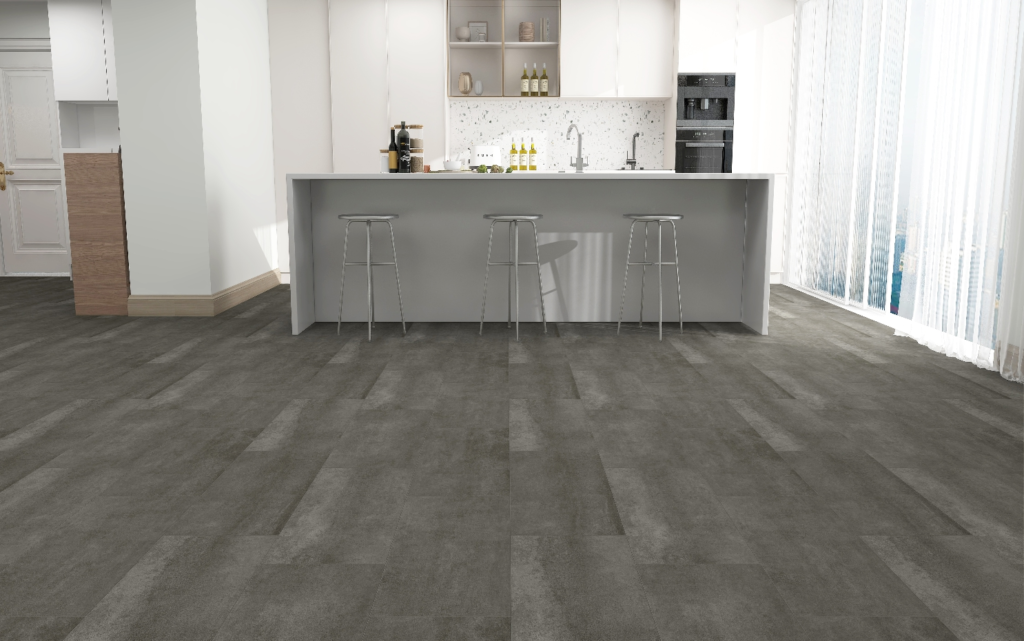
Loose Lay is a flexible vinyl flooring solution designed for fast, adhesive-free installation in a wide range of interior applications. It features a specially engineered backing that allows the planks or tiles to stay securely in place using friction and weight, without the need for permanent glue in most installations.
Do I Need Underlayment For SPC/LVT Flooring?
Whether you need underlayment depends on the flooring product and the installation environment. Many SPC floors already include an attached IXPE pad, while others require a separate underlayment for moisture protection or acoustic performance.
SPC vs LVT Flooring
SPC and LVT are NOT the same thing — not even close.
So many people use these terms interchangeably, and it’s a costly mistake. Get them mixed up, and you’re looking at higher bills, botched installs, and major flooring issues while it’s still under warranty.
Are SPC & LVT Flooring Suitable for Kitchens and Bathrooms?
SPC/LVT flooring can be used in bathroom dry areas, powder rooms, hotel bathroom entrances, changing areas, and spaces where water exposure is limited.
But it is not recommended for areas with long-term standing water, shower floors, or places where water can remain under the flooring for a long time.
You might ask: How does this happen?Isn’t SPC/LVT supposed to be waterproof?
The SPC core itself is completely waterproof, but water can seep through the joints between planks.

What is ESD flooring?
Imagine walking across a manufacturing floor, touching a workbench, and feeling a tiny, sharp zap. Static electricity is invisible, but even a discharge of a few dozen volts can damage sensitive electronic components or disrupt critical manufacturing processes. ESD flooring is designed to control and safely dissipate this static electricity before it becomes an expensive problem.
ESD stands for Electrostatic Discharge. ESD flooring is a specialized flooring material designed to prevent the build-up of static electricity on people and equipment. It works by grounding static charges, pulling them away from sensitive electronics, and safely dispersing them into the earth.
How Is ESD Flooring Installed?
ESD (Electrostatic Discharge) flooring is a specialized flooring system designed to safely dissipate static electricity and protect sensitive electronic equipment from electrostatic damage.
ESD flooring installation should be carried out in accordance with the flooring manufacturer’s instructions and relevant international standards, such as ANSI/ESD S20.20, IEC 61340-5-1, and ANSI/ESD STM7.1. Proper installation is essential because the electrical performance of an ESD floor depends on the complete flooring system rather than the flooring material alone.
What Is the Difference Between Anti-Static and ESD Flooring
Anti-static flooring and ESD flooring are frequently confused, yet they deliver vastly different electrostatic protection levels. Selecting the wrong type will either waste costs or fail to safeguard sensitive electronic devices. Per ANSI/ESD S20.20, IEC 61340 and ASTM F150, the two categories have distinct electrical standards and applicable scenarios.
How To Repair Damaged ESD Flooring?
ESD flooring is a critical safety infrastructure for electronic manufacturing workshops, cleanrooms, data centers, and precision instrument laboratories. It effectively eliminates static electricity accumulation, protects sensitive electronic components from static damage, and ensures production safety and operational compliance. However, long-term foot traffic, equipment rolling, accidental impact, chemical corrosion, and aging degradation will inevitably cause different degrees of damage to ESD flooring. Minor damage may affect surface aesthetics and cleaning performance, while severe damage will destroy the conductive continuity of the floor, lead to failure of static dissipation function, bringing huge hidden dangers to production and equipment safety.
ESD Tile vs ESD Sheet: Which Is Better for Your Commercial Facility?
In high-tech manufacturing, medical environments, and electronics assembly lines, electrostatic discharge (ESD) is a silent, invisible hazard. A single static spark can destroy sensitive microchips, disrupt calibrated laboratory equipment, or create safety risks in volatile environments. To control this risk, choosing the right ESD flooring is essential.
When engineering and procurement teams look for an electrostatic control floor, they frequently face a foundational dilemma: Should we choose ESD Vinyl Tiles (pieces) or ESD Vinyl Sheets (rolls)?
Both ESD vinyl tiles and ESD vinyl sheets can provide effective electrostatic control when installed as part of a properly grounded ESD flooring system. However, they differ significantly in installation method, maintenance strategy, hygiene performance, and suitability for different commercial environments. Understanding these differences helps engineers, architects, and facility managers select the right solution for long-term performance—not simply the lowest initial cost.
How Should ESD Flooring Be Cleaned?
ESD flooring should be cleaned regularly with a neutral PH cleaner and suitable cleaning tools. Proper maintenance keeps the surface clean, maintains stable electrical resistance, and helps the ESD flooring system perform reliably over long-term use.
Unlike conventional resilient flooring, ESD flooring is designed to provide a controlled path for electrostatic charges. Incorrect cleaning chemicals, insulating waxes, or improper maintenance may alter the floor’s surface resistance and reduce the effectiveness of the entire ESD control system. Proper cleaning therefore protects not only the appearance of the floor but also its electrical performance.
Why Is My ESD Flooring Failing Resistance Tests?
Resistance is the core performance metric of ESD flooring. Factory users and manufacturers all rely on standardized resistance tests to verify static control performance.
Most test failures are not caused by defective flooring. Per ANSI/ESD S20.20, ANSI/ESD STM7.1, IEC 61340-4-1 and ASTM F150, abnormal readings mainly stem from environment, surface dirt, improper testing or installation defects.
Homogeneous Sheet Knowledge
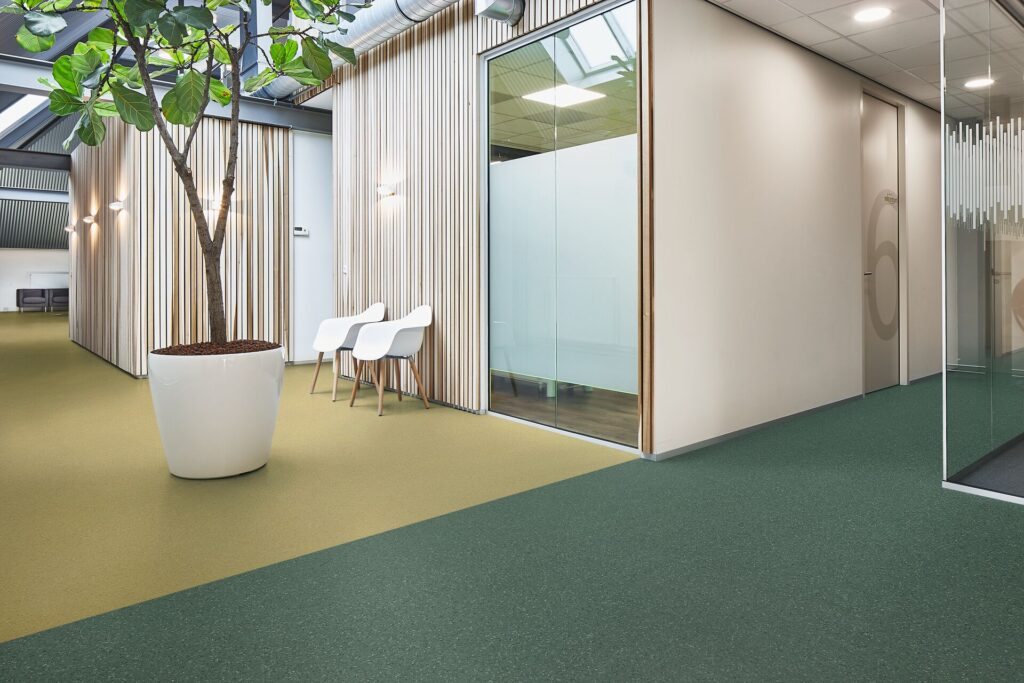
What is Homogeneous Sheet / Installation / Comparison / FAQ
What Is the Difference Between Homogeneous and Heterogeneous Vinyl Flooring?
Is homogeneous sheet flooring recommended for ICU and operating theaters in hospitals?
Yes, homogeneous vinyl sheet flooring is highly recommended—and remains widely used—for Intensive Care Units (ICUs) and Operating Theaters (OTs).
Healthcare environments with strict infection control and cleanroom requirements depend on homogeneous sheet vinyl because of its seamless installation, uniform material structure, superior chemical resistance, and static-control (ESD) options.
What is the Difference between Group T and Group P Wear Resistance Ratings in Homogeneous Vinyl?
When selecting homogeneous vinyl flooring for high-traffic commercial projects such as hospitals, classrooms, and stores, understanding its abrasion resistance rating is crucial. The two most common classifications in European standards (EN 660-2 and EN ISO 10581) are Grade T and Grade P.
Both grades are suitable for heavy-duty commercial flooring, but Grade T represents the highest abrasion resistance for extremely high-traffic areas, while Grade P offers a highly durable and cost-effective option for standard commercial spaces.
Why Do Hospitals Prefer Homogeneous Sheets Over Ceramic Tiles For Operating Rooms?
Operating rooms are among the most demanding environments in any healthcare facility. Every material—from wall finishes to flooring—must contribute to infection control, patient safety, and long‑term operational efficiency. While ceramic tiles have traditionally been used in many healthcare buildings, modern hospitals are increasingly choosing Y.H.F homogeneous sheet vinyl flooring for operating rooms and other critical medical spaces.
So, why has this shift happened? This article compares Y.H.F homogeneous sheet flooring and ceramic tiles to help healthcare planners, architects, contractors, and hospital managers make informed flooring decisions.