
Preface
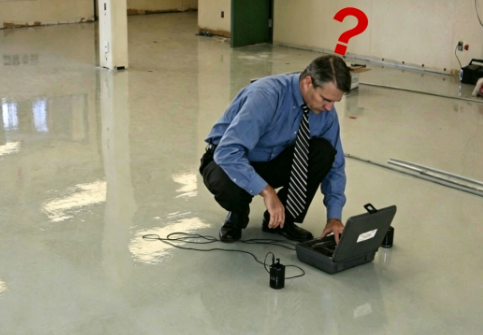
Resistance is the core performance metric of ESD flooring. Factory users and manufacturers all rely on standardized resistance tests to verify static control performance.
Most test failures are not caused by defective flooring. Per ANSI/ESD S20.20, ANSI/ESD STM7.1, IEC 61340-4-1 and ASTM F150, abnormal readings mainly stem from environment, surface dirt, improper testing or installation defects.
1.Relative Humidity: Top Influencing Factor
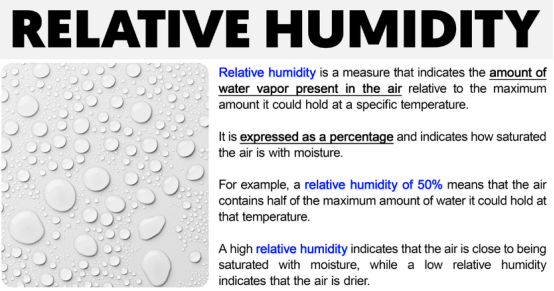
Relative humidity (RH) refers to the percentage of water vapor air can hold at a fixed temperature. High RH creates a thin conductive moisture film on floors, drastically lowering resistance and masking hidden material/construction flaws.
Standard test environment: 12%–22% RH, with 24–48h material acclimation to eliminate moisture interference.
2. Temperature Disturbs Test Accuracy
Conductive components inside ESD floors change conductivity with temperature swings. Unstable temperature skews resistance values and disrupts instrument calibration. Standard stable test range: 70–75°F (21–24°C). Tests can only start after floors & equipment reach thermal balance.
3. Surface Contamination Creates False Readings
Floor wax, detergent residue, dust and moisture alter electrical properties. Pre-test rules:
- Clean with manufacturer-specified ESD cleaner
- Fully dry the surface to volatilize all solvent residue Tiny conductive traces will heavily distort test data.
4. Non-Standard Test Operations
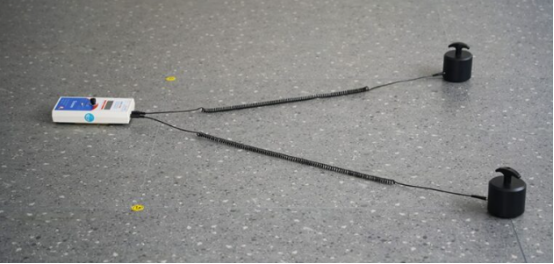
Common test errors: uncalibrated meters, wrong electrode spacing, testing right after cleaning, skipping environmental conditioning. All tests shall comply with ANSI/ESD STM7.1.
5. Installation Defects
If environment & testing steps are correct, check installation issues: incomplete conductive adhesive, missing copper grounding strips, poor ground connections, damaged conductive backing, disconnected earth points. Resistance-to-Ground results depend on the whole grounding system.
FAQ
- Q: Why test results fluctuate day by day? A: Shifts in humidity & temperature change surface moisture film, altering readings without floor quality issues.
- Q: Will cleaning chemicals affect test data? A: Yes. Residues and moisture temporarily change floor conductivity.
- Q: How long to acclimate floors before testing? A: 24–48 hours under controlled temperature & humidity.