
Do I Need Underlayment For SPC/LVT Flooring?
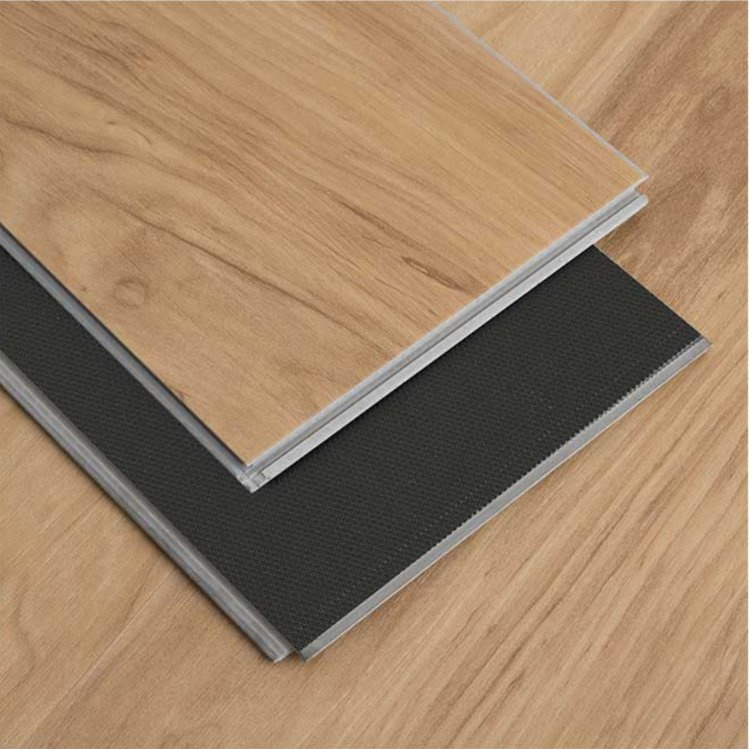
Whether you need underlayment depends on the flooring product and the installation environment. Many SPC floors already include an attached IXPE pad, while others require a separate underlayment for moisture protection or acoustic performance. 3 types of underlayment 1 IXPE As a closed-cell foam underlayment, IXPE has good waterproof performance and solid sound dampening capacity. […]
How to Choose a Qualified SPC Flooring Supplier?
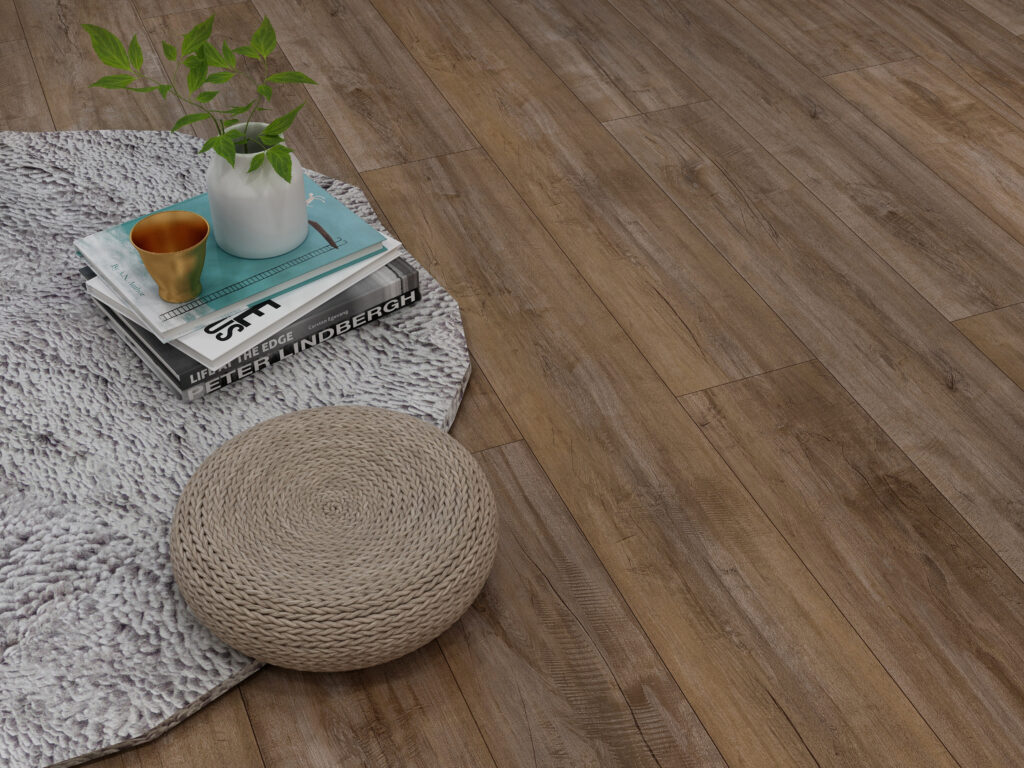
Before choosing an SPC flooring supplier, professional buyers should evaluate more than just the factory price. The right supplier should provide proven product engineering, consistent manufacturing quality, compliance support, and reliable service throughout the project lifecycle. When evaluating a supplier, buyers should focus on five key areas: Key Factors to Evaluate When Choosing an SPC […]
Can SPC Flooring Be Waxed or Polished? (Hint: You’re Better Off Skipping It)
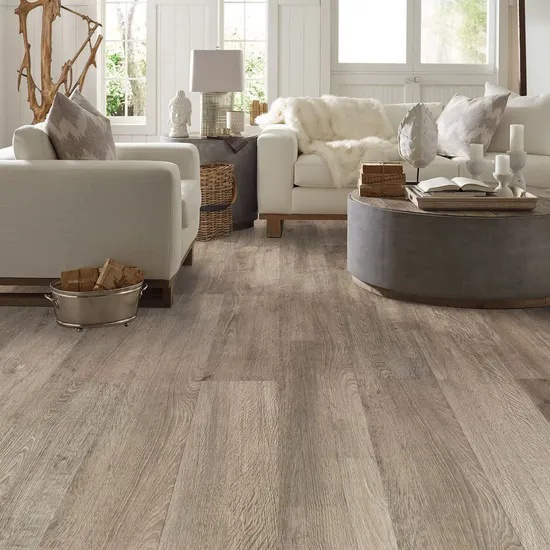
If ou’re shopping for SPC flooring or just had it installed, you’ve probably wondered: do I need to wax it, polish it, or do any of that fancy upkeep that comes with hardwood floors? It’s a super common question — especially for anyone used to traditional wood floors that need regular buffing and waxing to […]
SPC Flooring vs Laminate Flooring: What’s the Difference and Which Is Better for Your Project?
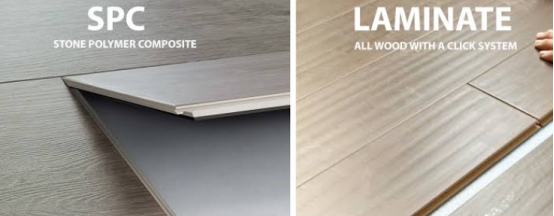
Many buyers hesitate between SPC flooring and laminate flooring during renovation or commercial project procurement. The core difference lies in their core materials: How these material differences create different impacts Waterproof capacity and applicable scenarios Waterproof capacity and applicable scenarios Laminate features wood-fiber HDF core, which performs stably in consistently dry indoor spaces. To retain its […]
What wear layer is best for residential flooring? And recommended for commercial use?
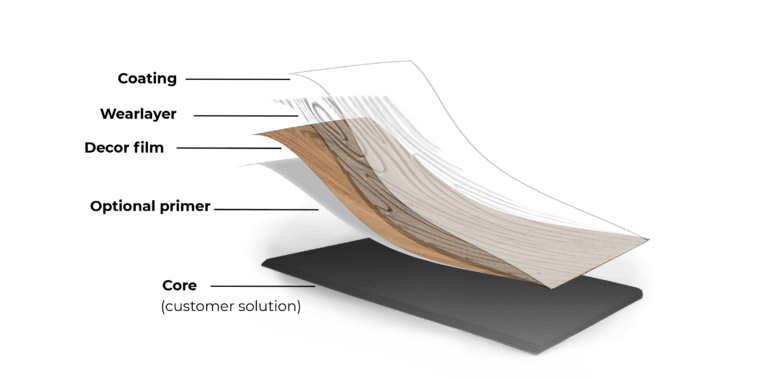
The Invisible Shield: Choosing the Right Wear Layer for Residential and Commercial Flooring In the world of resilient flooring—particularly SPC and LVT—the core determines stability, but the wear layer dictates longevity. It is the invisible shield that stands between a beautifully designed floor and the relentless friction of daily life. For architects, designers, and distributors, […]
Can SPC Flooring Be Installed Over a Heating System?
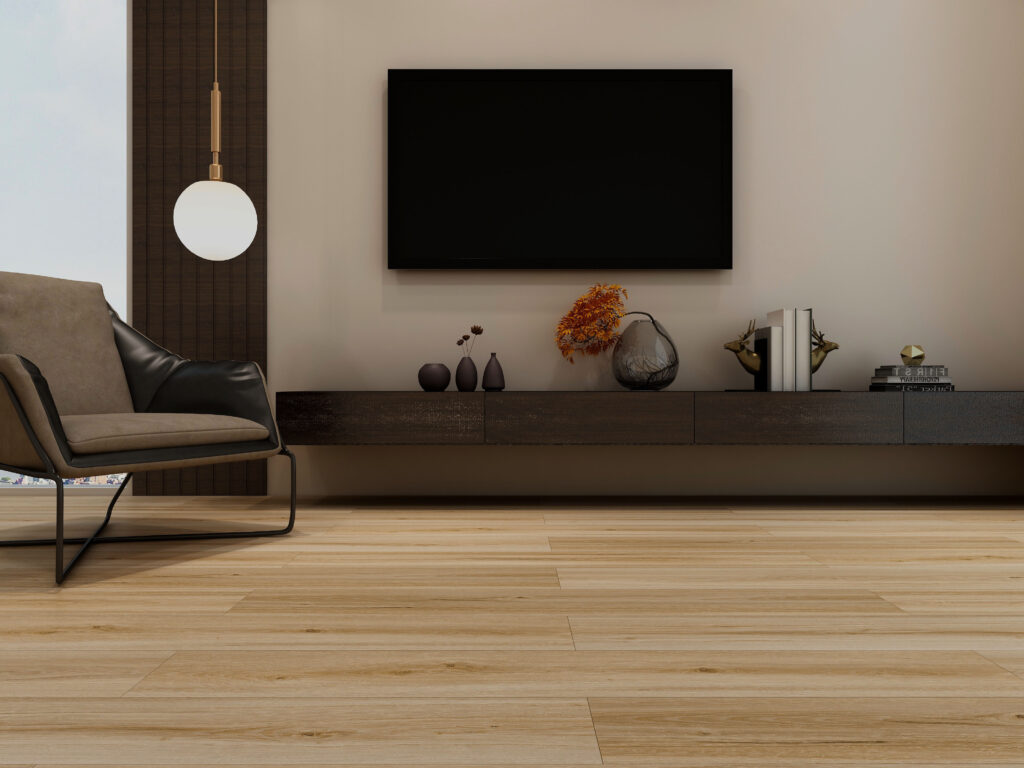
SPC flooring is compatible with both electric and hydronic underfloor heating systems. Its rigid stone composite core provides excellent dimensional stability under temperature changes, making it suitable for residential and commercial heated floor applications. Key Performance Advantages in Heated Environments Properly installed SPC flooring delivers stable dimensional performance under temperature fluctuations while maintaining strong click-lock […]
SPC vs LVT Flooring
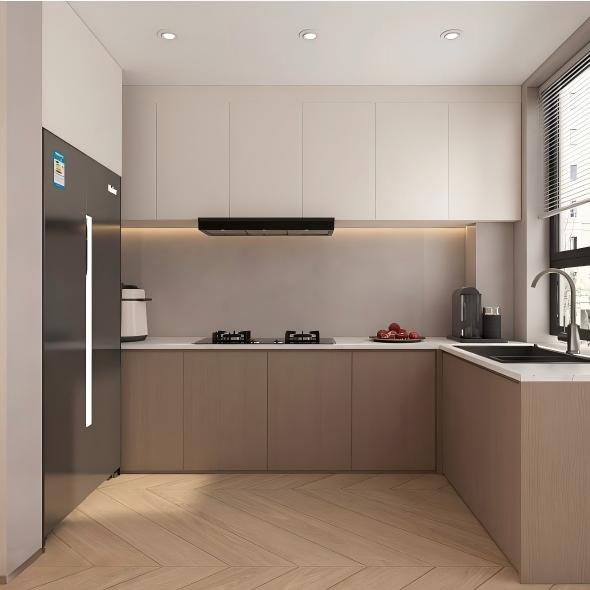
Quick vinyl flooring reality check SPC and LVT are NOT the same thing — not even close. So many people use these terms interchangeably, and it’s a costly mistake. Get them mixed up, and you’re looking at higher bills, botched installs, and major flooring issues while it’s still under warranty. I’m breaking down the real […]
What is Loose Lay vinyl flooring?
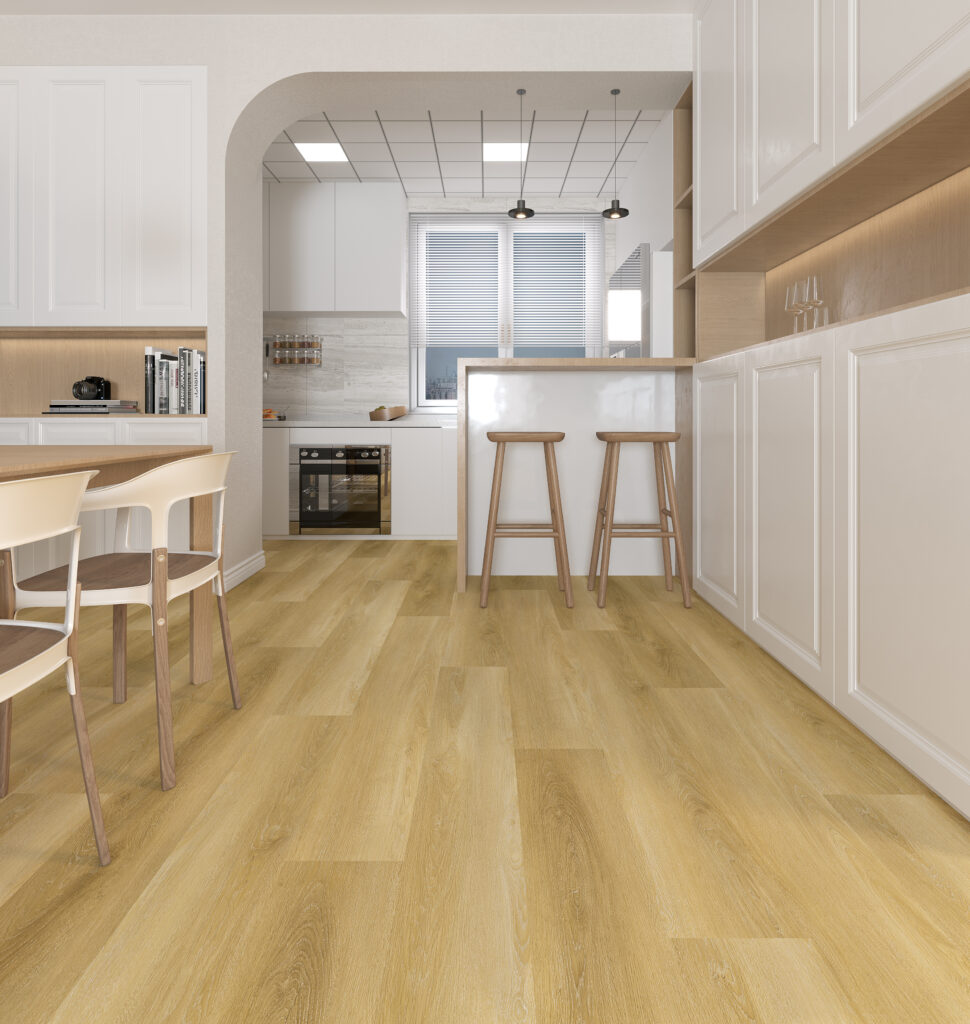
What is loose lay? Loose Lay is a flexible vinyl flooring solution designed for fast, adhesive-free installation in a wide range of interior applications. It features a specially engineered backing that allows the planks or tiles to stay securely in place using friction and weight, without the need for permanent glue in most installations. This […]
A Guide to Raised Floor Load Capacity and System Selection
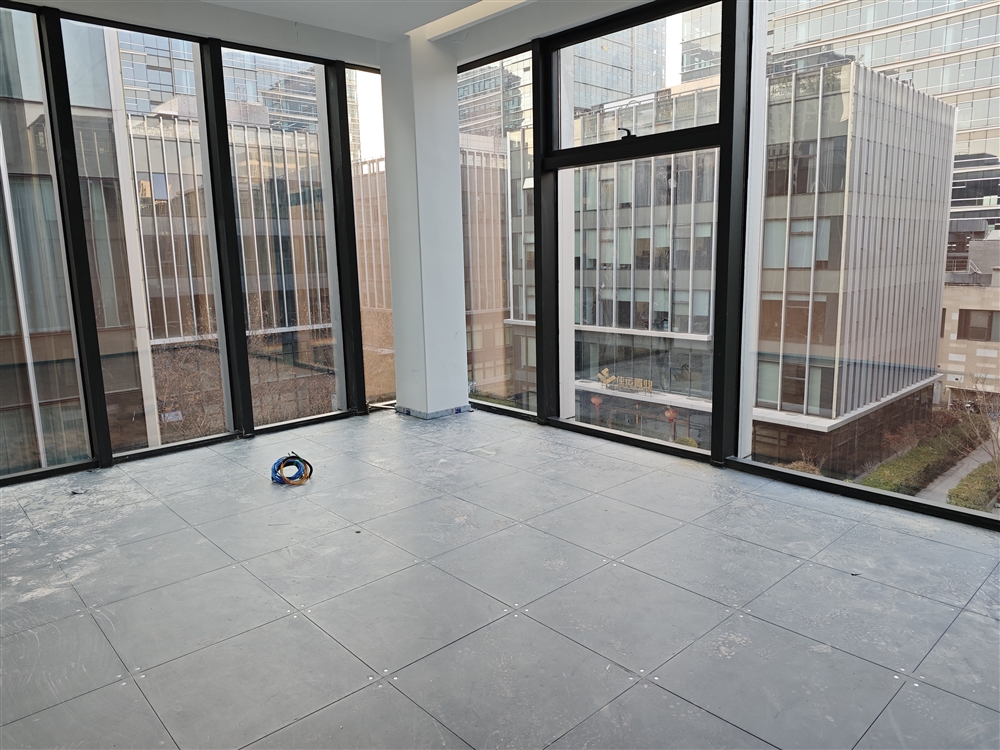
Many buyers prioritize cost and aesthetics when selecting raised floors, while ignoring a critical technical indicator: load capacity. What Is Raised Floor Load Capacity Raised floor load capacity refers to the maximum weight a floor system can support without permanent deformation or structural failure. It is evaluated by three core indicators to meet different engineering […]
Conductive Flooring vs Static Dissipative Flooring: Which ESD Flooring Is Right for Your Facility?
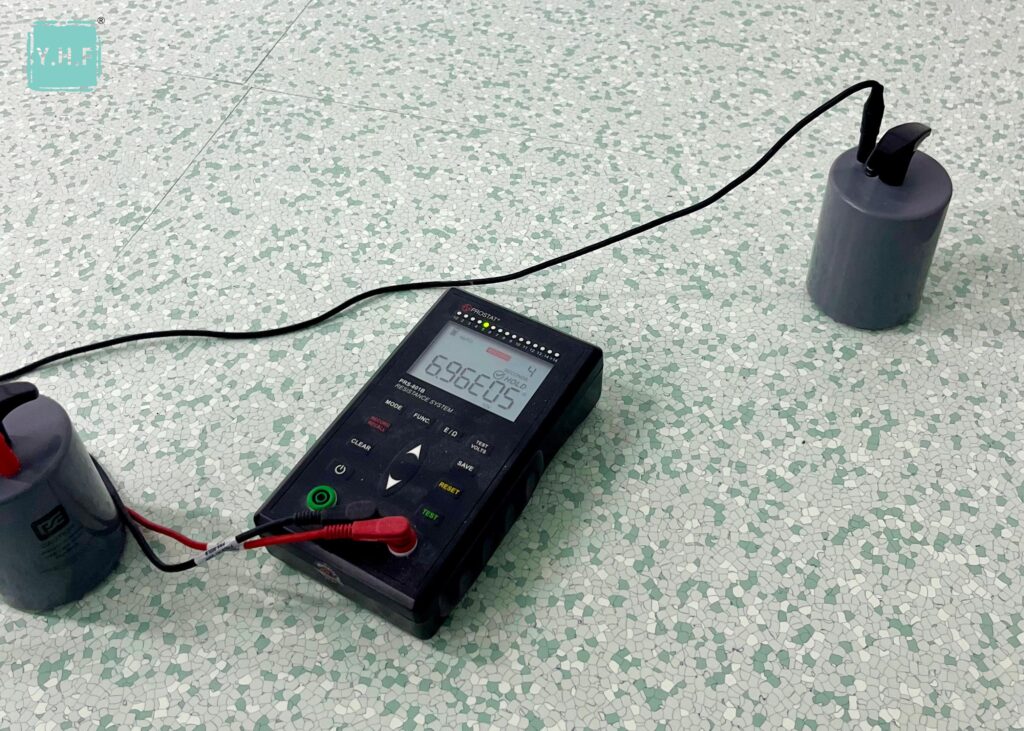
Introduction Electrostatic discharge (ESD) can damage sensitive electronic components, disrupt production processes, and create safety risks in specialized environments. Choosing the correct ESD flooring system is essential for maintaining a controlled static environment. Among the most common solutions are Conductive Flooring and Static Dissipative Flooring. Although both are designed to control static electricity, they serve […]
Complete PVC Flooring Solutions: Accessories You Can’t Ignore
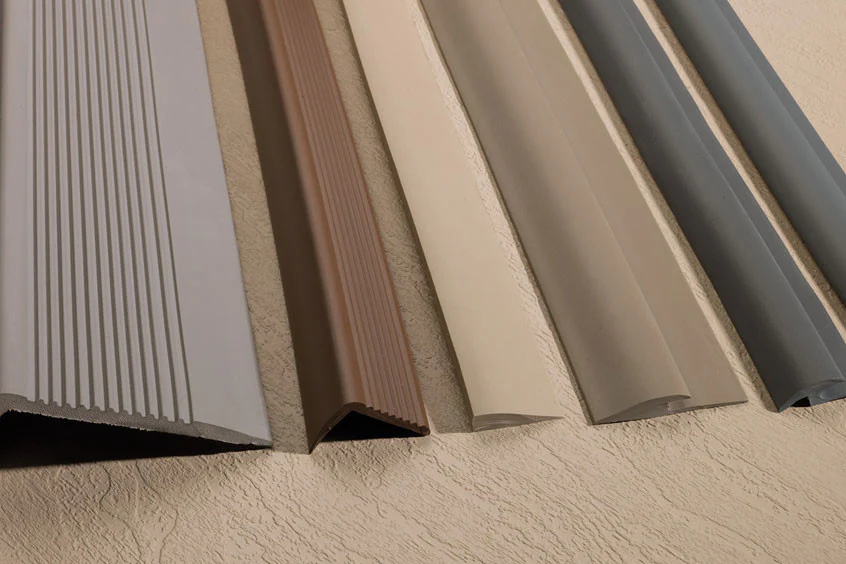
Ever feel tired of procuring flooring tiles or sheets from one supplier and sourcing related accessories from another, while facing quality inconsistency or poor after-sales services? At Y.H.F, we solve these questions for our customers once and for all. As a leading OEM with years of experience targeting global clients, we don’t just provide high-quality SPC, LVT, Homogeneous, and other hot-selling […]
Unilin or Välinge?
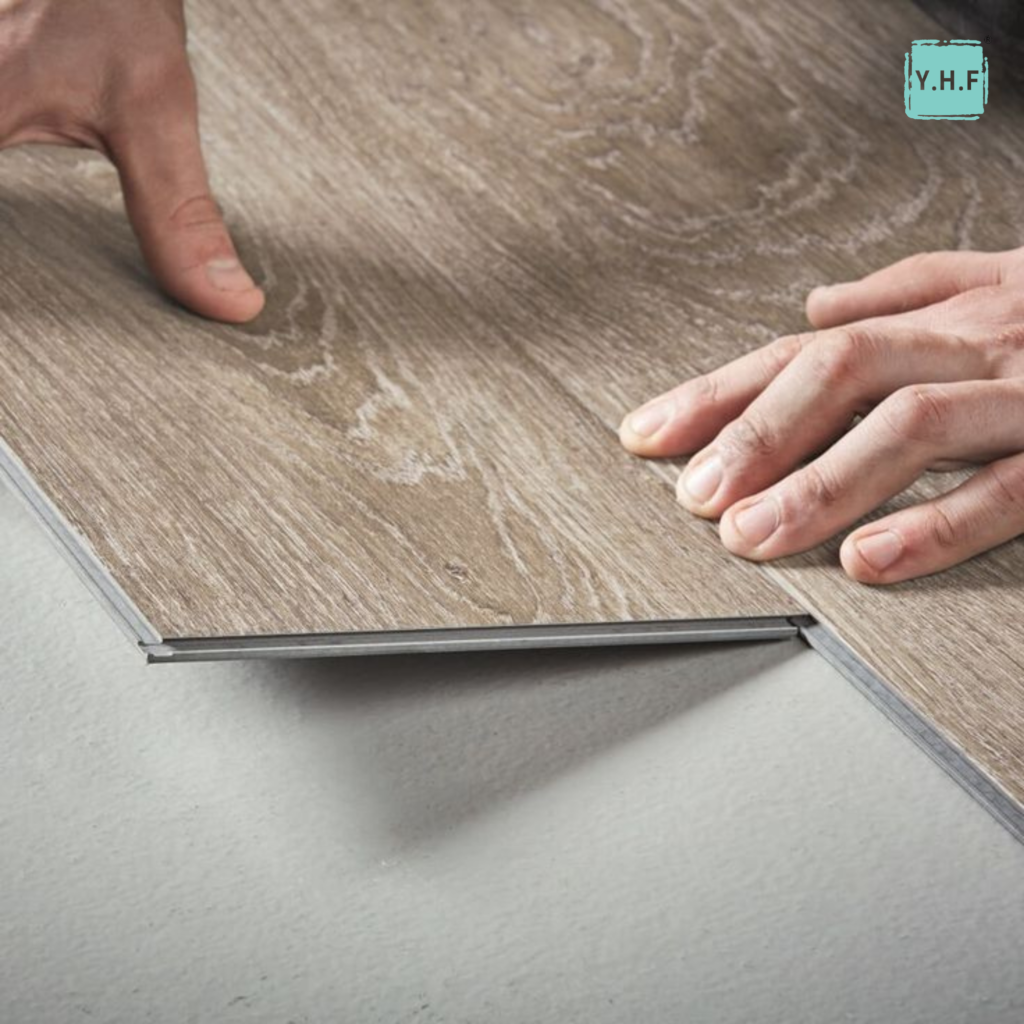
Precision in Every Click In the global flooring market, a plank’s core material defines its durability, and its locking system is the very heart of its structure. As SPC flooring grows in popularity among eco-aware buyers and anyone seeking 100% waterproof flooring, discerning customers are no longer just drawn to surface looks. What truly sets […]
5 Common Wall Panel Materials Explained
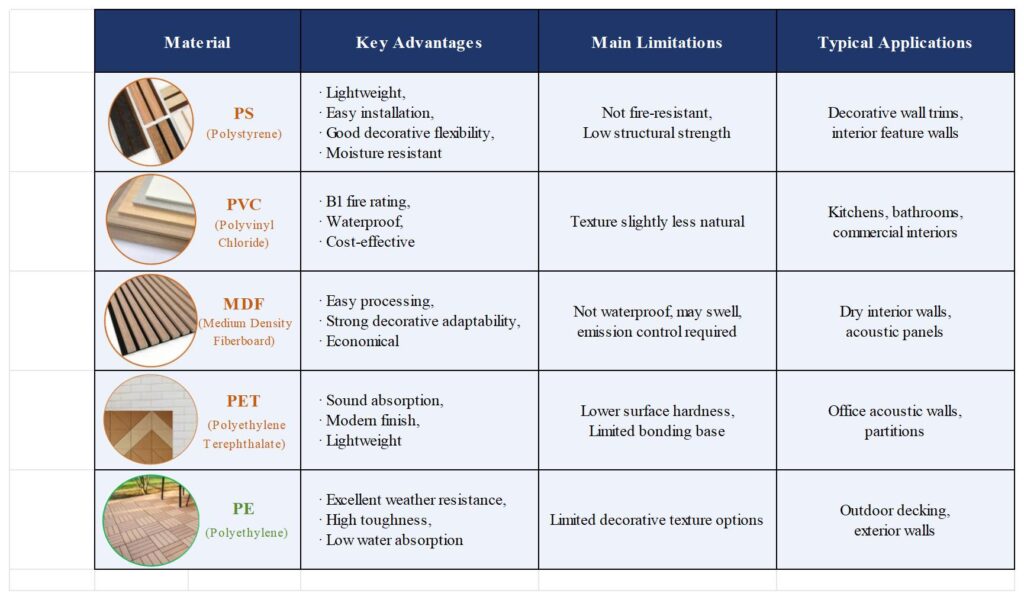
PS / PVC / MDF / PET / PE — What’s the Difference? When selecting wall panel materials for commercial or interior projects, material structure directly affects durability, fire performance, maintenance, and application scope. Here’s a simplified breakdown: 1️⃣ PS (Polystyrene) Strengths Limitations 📌 Mainly used as decorative interior material. 2️⃣ PVC (Polyvinyl Chloride) Strengths […]
Installing PVC Homogeneous Flooring in Winter: Key Guidelines
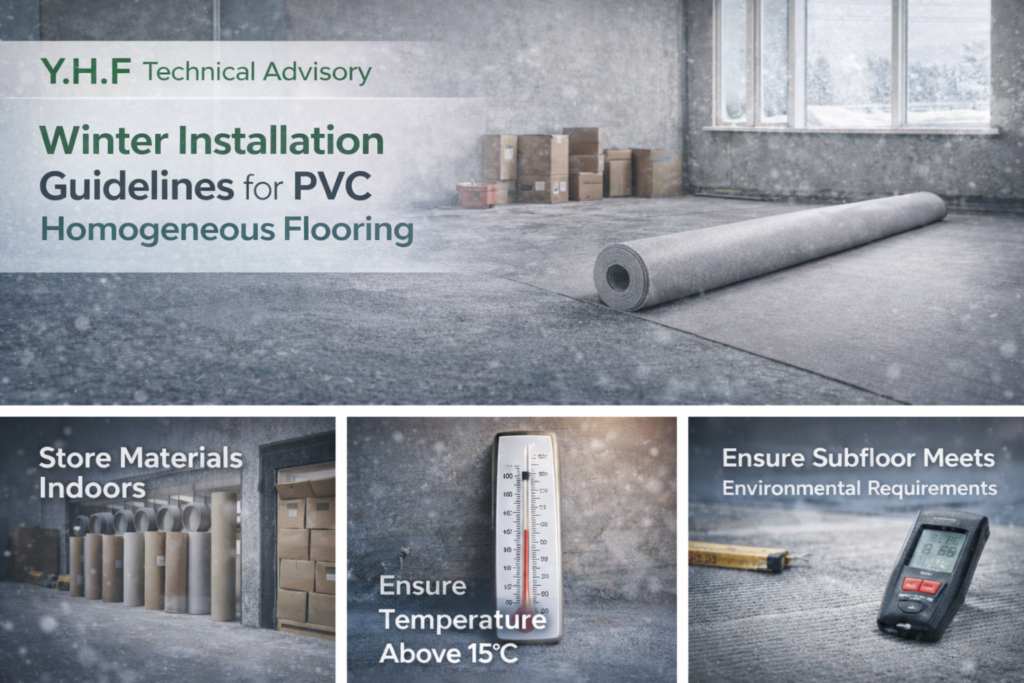
Y.H.F Technical Advisory As part of Y.H.F’s commitment to product performance and installation quality, we would like to share the following important reminders for PVC homogeneous flooring installation during winter conditions.Low temperatures can significantly affect material performance, adhesives, and subfloor systems. Please carefully follow the guidelines below to ensure a successful and durable installation. Transportation […]
Y.H.F Luxury Homogeneous Sheet of Earth Series: The “all-in-one ground solution” for educational centers
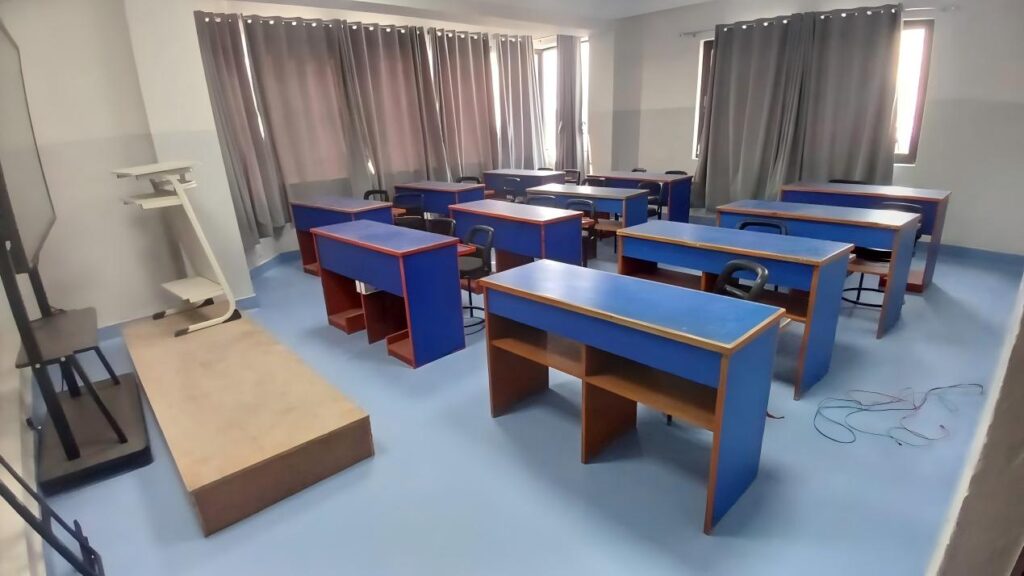
The selection of the floor material for the educational space has always focused on the three core requirements of “safety, durability, and aesthetics.” Recently, the YHF Earth series luxury Homogeneous sheet completed the floor-laying project for an educational center, fully covering the core areas like: classrooms, the reception hall, and the multi-function hall etc. With […]
Antistatic Calcium Sulfate Raised Floor vs. Steel Encapsulated Calcium Sulfate Floor
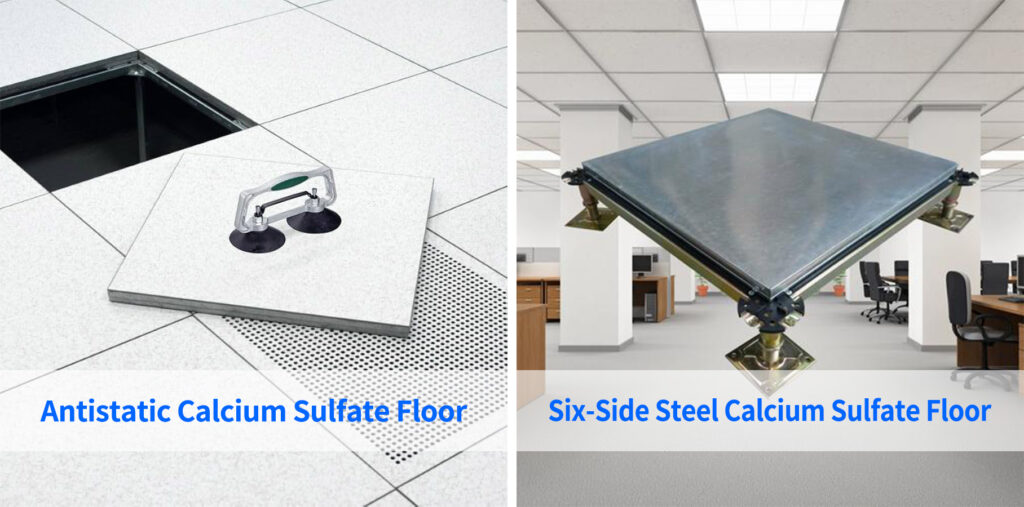
Calcium sulfate raised floors are widely used in data centers, offices, laboratories, and commercial buildings. The two most common types are Antistatic Calcium Sulfate Raised Floor and Steel Encapsulated (Six-Side Steel) Calcium Sulfate Floor. Here is a simple comparison. Antistatic Calcium Sulfate Raised Floor This floor uses a high-density calcium sulfate core combined with antistatic […]