
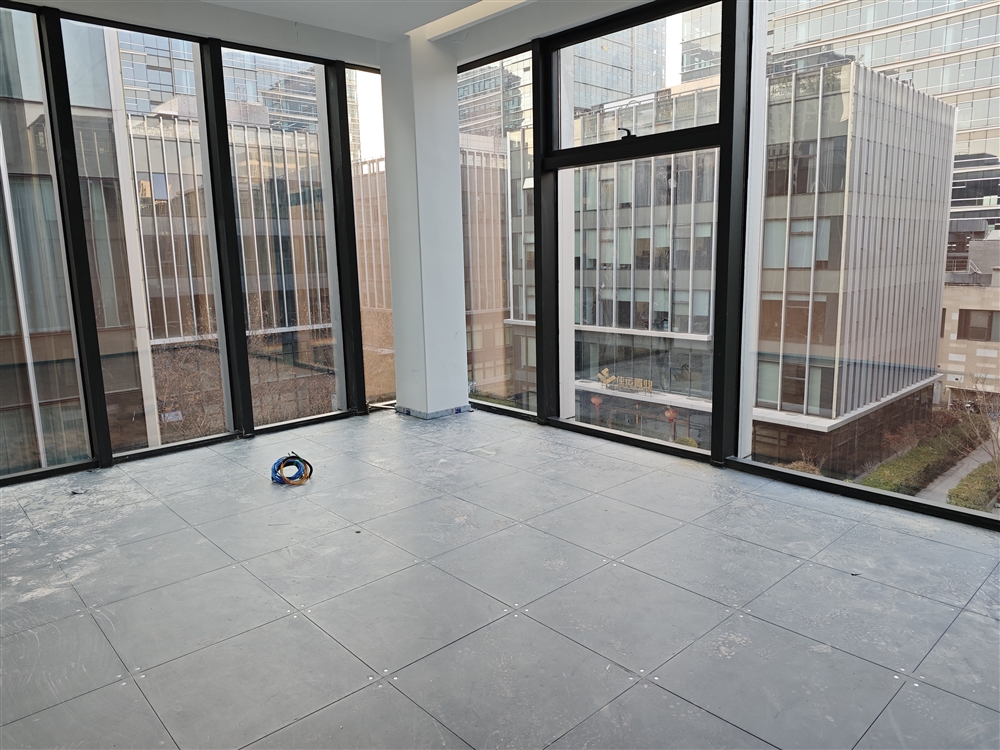
Many buyers prioritize cost and aesthetics when selecting raised floors, while ignoring a critical technical indicator: load capacity.
What Is Raised Floor Load Capacity
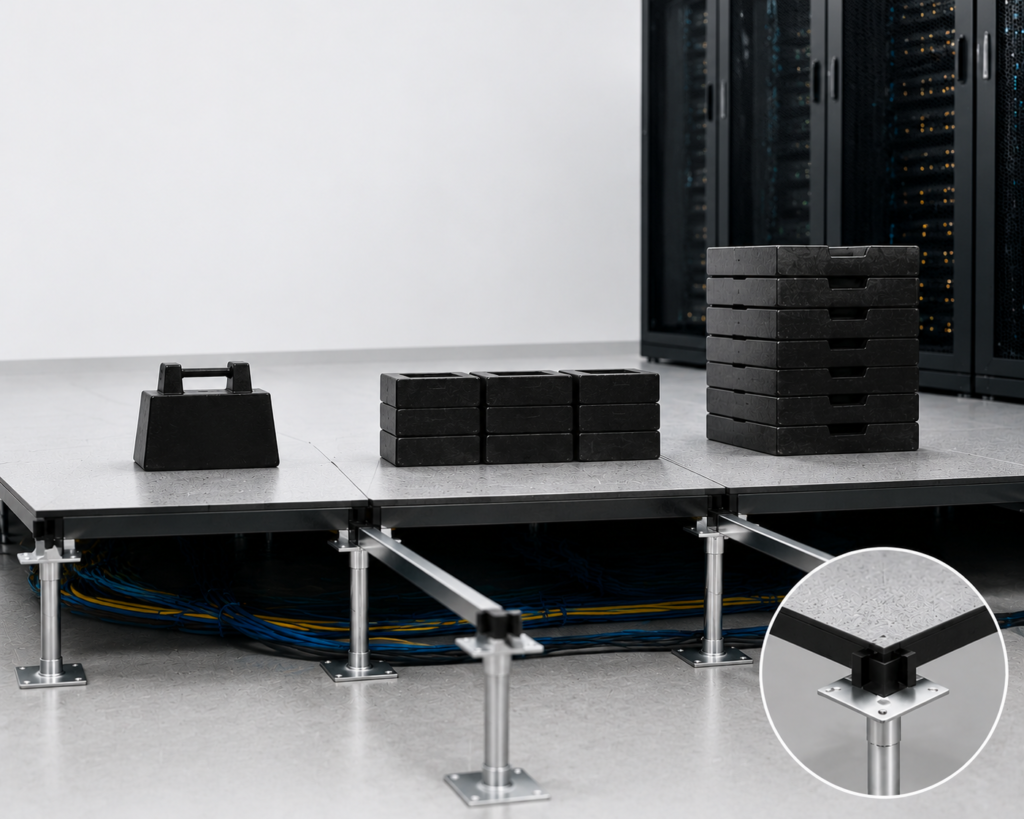
Raised floor load capacity refers to the maximum weight a floor system can support without permanent deformation or structural failure. It is evaluated by three core indicators to meet different engineering needs:
- Concentrated (Single-Point) Load: Supports standalone heavy equipment and cabinet footings at single contact points.
- Uniform Distributed Load: Ensures even weight distribution for daily overall floor loading.
- Ultimate Breaking Load: The maximum failure threshold, providing a reliable safety margin for extreme conditions.
Why Load Capacity Matters for Safety & Durability
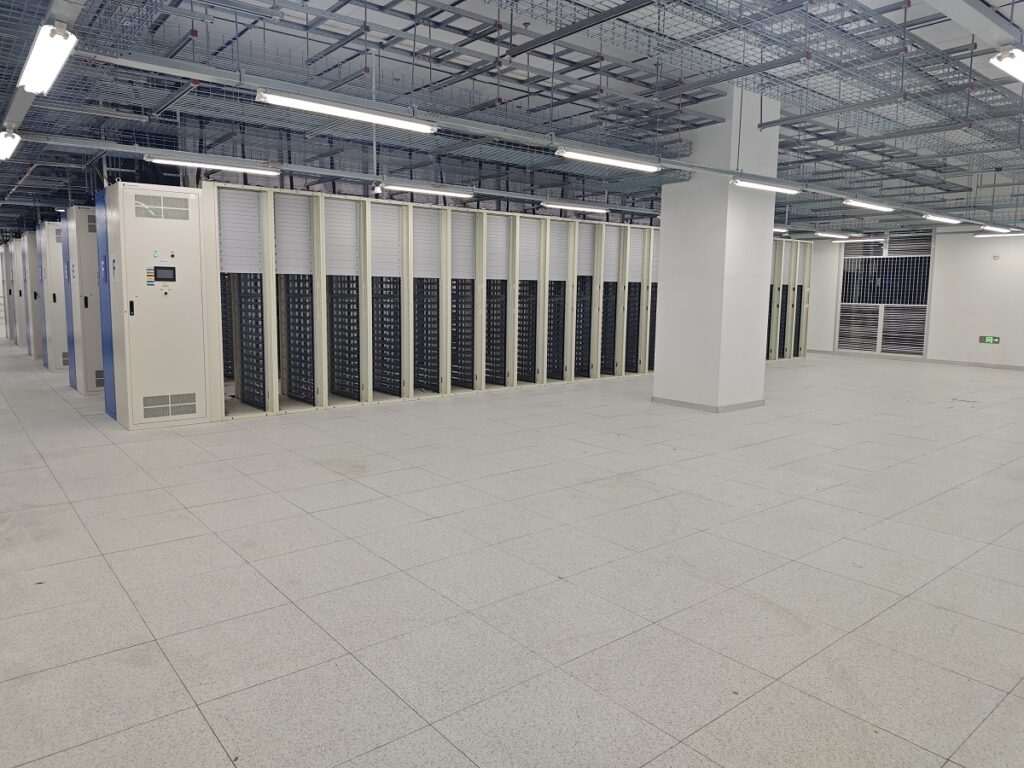
As essential load-bearing infrastructure, raised floors sustain long-term heavy loads for various modern building facilities, mainly including:
- IT & Power Equipment: Server racks, UPS, and data center infrastructure.
- Precision Instruments: Sensitive equipment for control and industrial rooms.
- Electromechanical Facilities: Daily-use mechanical and electrical devices.
Insufficient load capacity causes floor deformation, structural damage, safety risks, shorter lifespan, and higher maintenance costs.
Key Factors That Determine Raised Floor Load Performance
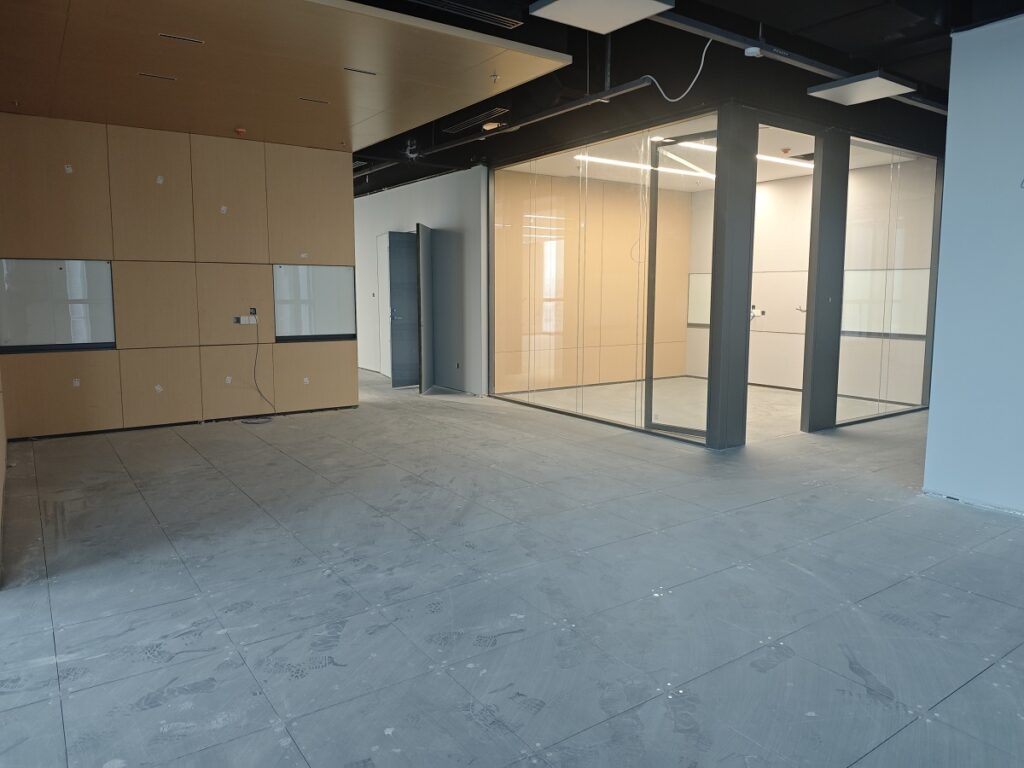
The overall load performance of raised floors depends on four key factors covering material, structure and installation quality:
- Panel Core Material
Steel cementitious, calcium sulfate, and wood core panels feature distinct strength and compression resistance, matching different load scenarios. - Panel Thickness & Structural Design
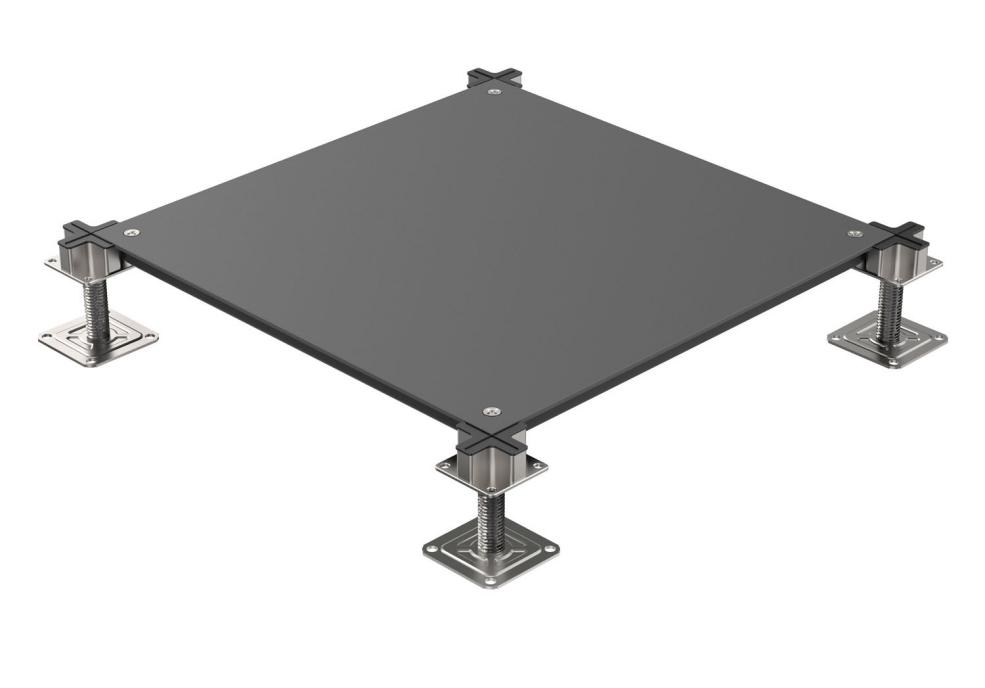
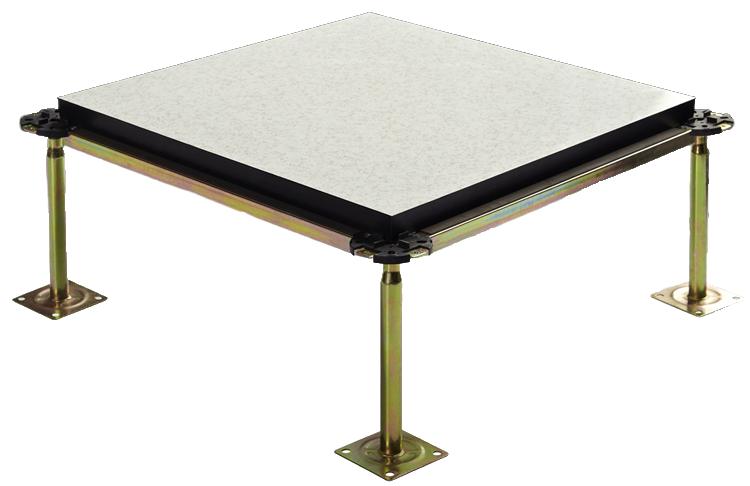
Optimized panel thickness and reinforced structure enhance rigidity and anti-deformation performance under long-term load. - Pedestal & Stringer System
High-quality pedestals and stringers evenly disperse weight, avoid local stress, and improve overall load uniformity. - Standardized Installation Quality
Standardized installation ensures complete structural integrity and stable, consistent load-bearing performance.
How to Choose: 800 lbs vs 1250 lbs Raised Floor
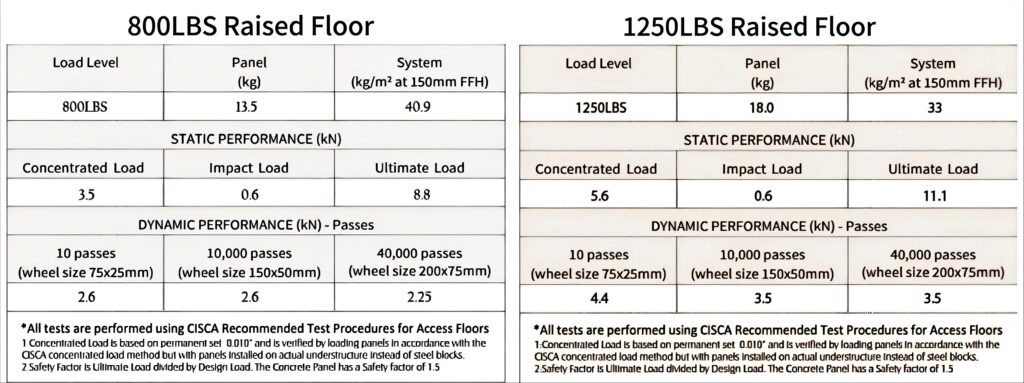
800 lbs and 1250 lbs are our standard mainstream specifications, widely used for offices, control rooms, and small-to-medium data centers.
- 800 LBS (Standard Commercial Grade): Ideal for general offices and commercial spaces. It meets daily walking and light equipment needs with stable performance and high cost-effectiveness.
- 1250 LBS (Data Center Grade) – Our Priority Recommendation: This is our preferred specification for most projects, including data centers and control rooms. It delivers superior stability to support server racks, UPS, and precision equipment for medium and heavy-load scenarios.
We recommend 1250 lbs for most conventional projects for a higher safety margin and compatibility, while 800 lbs is suitable for cost-sensitive ordinary office projects to avoid future structural risks and replacement costs.
Load capacity is the core benchmark of raised floor safety and durability. Proper specification and professional installation ensure long-term stable operation of the entire building space.
Y.H.F provides tailored raised floor solutions for diverse global projects. With premium materials, optimized structure, and standardized construction, we deliver safe, stable, and durable flooring for commercial, industrial, and data center applications.