
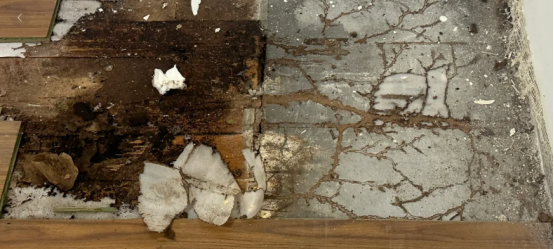
SPC/LVT flooring can be used in bathroom dry areas, powder rooms, hotel bathroom entrances, changing areas, and spaces where water exposure is limited.
But it is not recommended for areas with long-term standing water, shower floors, or places where water can remain under the flooring for a long time.
You might ask: How does this happen?Isn’t SPC/LVT supposed to be waterproof?
The SPC core itself is completely waterproof, but water can seep through the joints between planks.
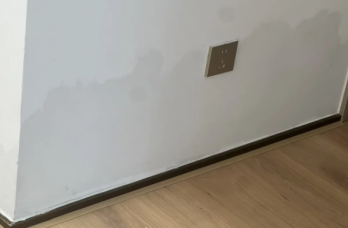
All trapped water stays between the SPC/LVT planks and underlayment. It will cause mold growth, dampness creeping up walls, and damage all surrounding non-waterproof building materials.
Definition of “waterproof”
Some people might question: can SPC/LVT still count as a waterproof material?
It is critical to clarify the true definition of “waterproof”.
According to ASTM F3261 and ASTM F1700 , the waterproof rating only applies to the single plank core material. What does this actually indicate then?
Beyond the material itself, its structure and appearance can also be compromised. Let’s break this down separately.
Kitchen
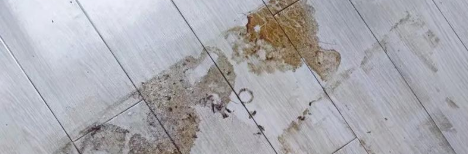
Grease seeps through plank gaps and collects under the floor. It turns rancid, grows mold and leaves hard-to-remove stains and bad odors. Trapped steam swells the underlayment, widening click seams and curling edges. Sustained heat softens PVC, loosening locks and causing bulging, dulling and permanent discoloration.
Bathroom
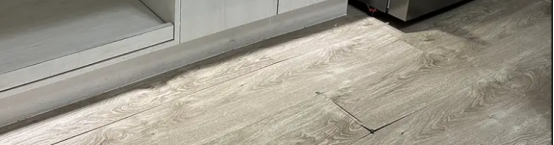
Shower water and acidic/alkaline cleaners leak through joints and corrode click locks. Poor ventilation keeps moisture trapped under planks year-round. Repeated wet-dry cycles warp boards, creating hollow floors and lifted edges. Humidity and chemicals age PVC quickly, making planks brittle. Wet surfaces also become slippery and risky for falls.
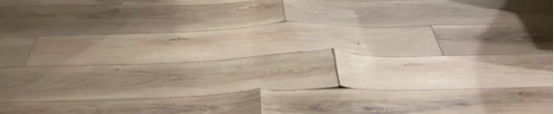
In short, we don’t recommend SPC/LVT flooring for areas with constant dampness or heavy chemical exposure. If you’ve done your research yet still worry about unsatisfactory results, opt for higher-quality SPC/LVT solutions instead(https://yhfloors.com/contact/).
References
- ASTM F3261-25, Standard Specification for Rigid Core Vinyl Flooring
- ASTM F1700-22, Standard Specification for Flexible Luxury Vinyl Tile Flooring
- HybridFloors. (2025). Waterproof Flooring for Bathrooms & Laundries [Blog Article]
- Floortalks. (2026). Click-Lock Vinyl Flooring Failures in Continuous Wet Rooms [Industry Column]
- Floor Expert Official. (2025). Long-Term Water Seepage Test on Click-Lock SPC & LVT [YouTube Video]