
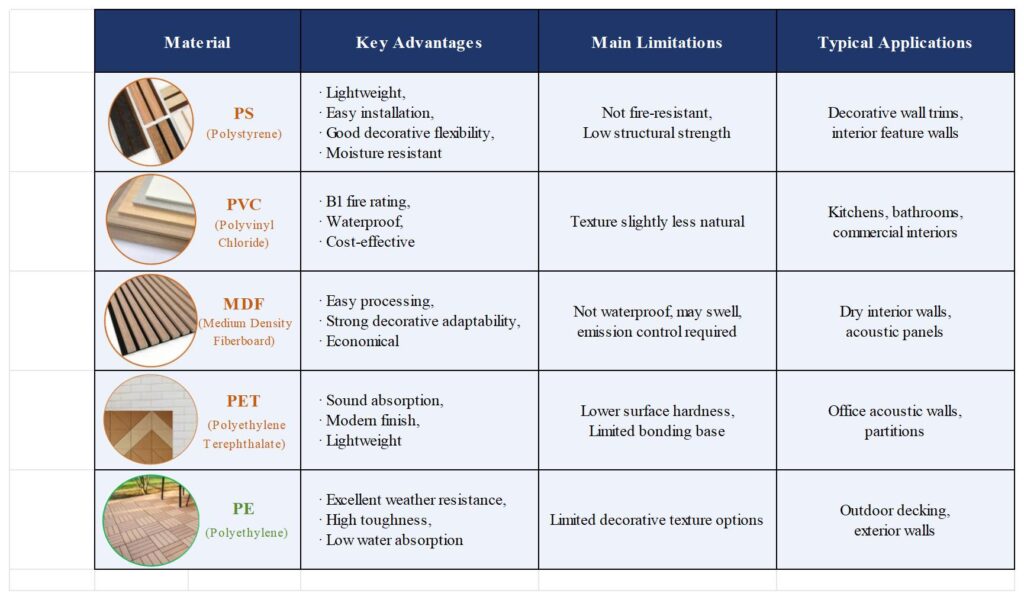
PS / PVC / MDF / PET / PE — What’s the Difference?
When selecting wall panel materials for commercial or interior projects, material structure directly affects durability, fire performance, maintenance, and application scope.
Here’s a simplified breakdown:
1️⃣ PS (Polystyrene)
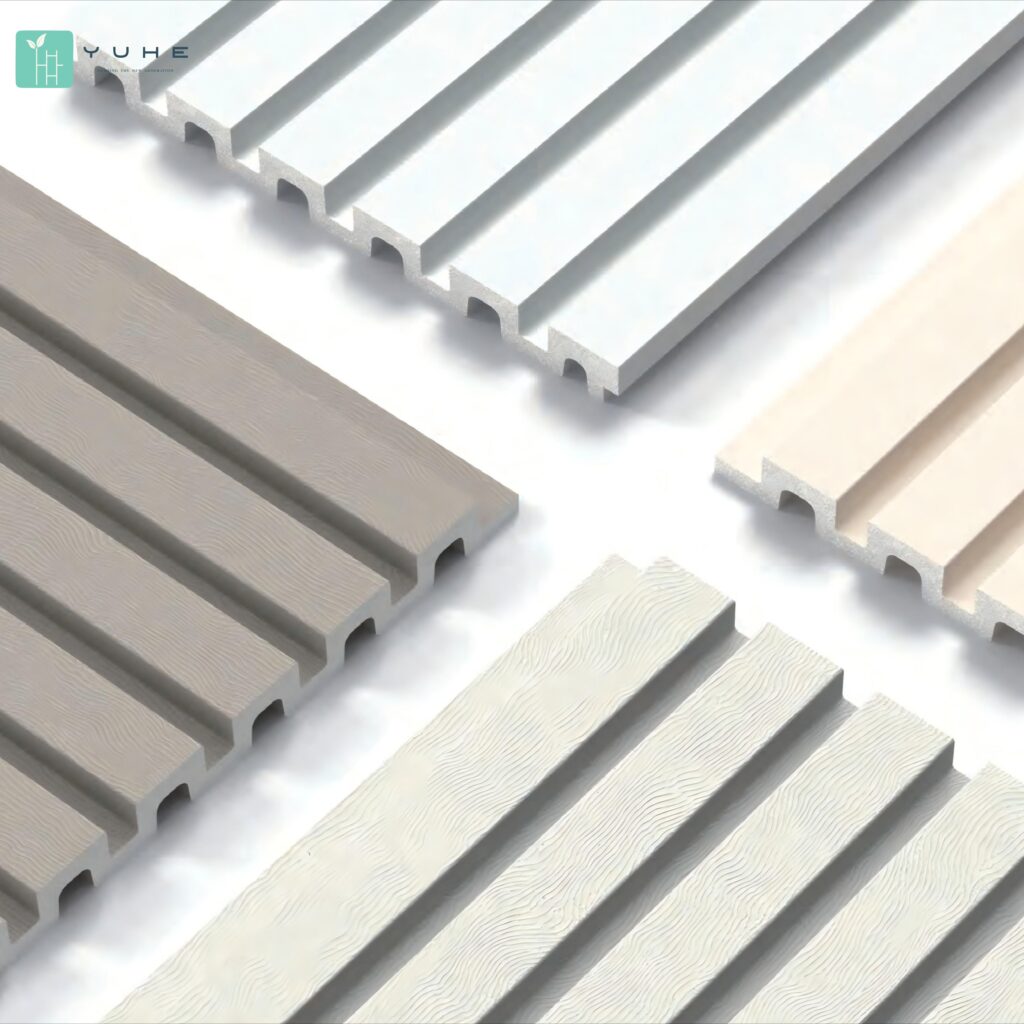
Strengths
- Lightweight & easy installation
- Good decorative flexibility
- Moisture resistant
- Recyclable material
Limitations
- Not fire-resistant
- Limited structural strength
📌 Mainly used as decorative interior material.
2️⃣ PVC (Polyvinyl Chloride)
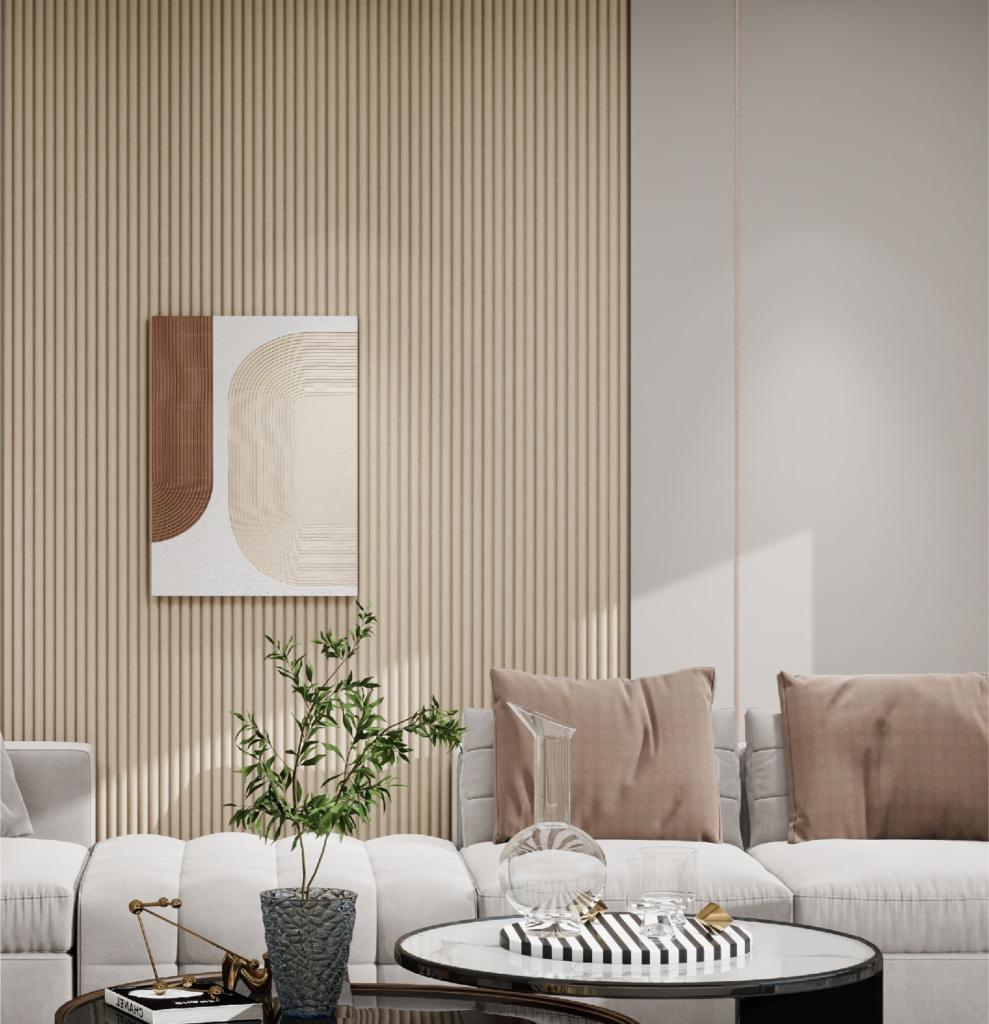
Strengths
- Fire rating up to B1 level
- Waterproof & moisture resistant
- Cost-effective
Limitations
- Decorative texture slightly less natural than PS
📌 Suitable for kitchens, bathrooms, and commercial humid environments.
3️⃣ MDF (Medium Density Fiberboard)
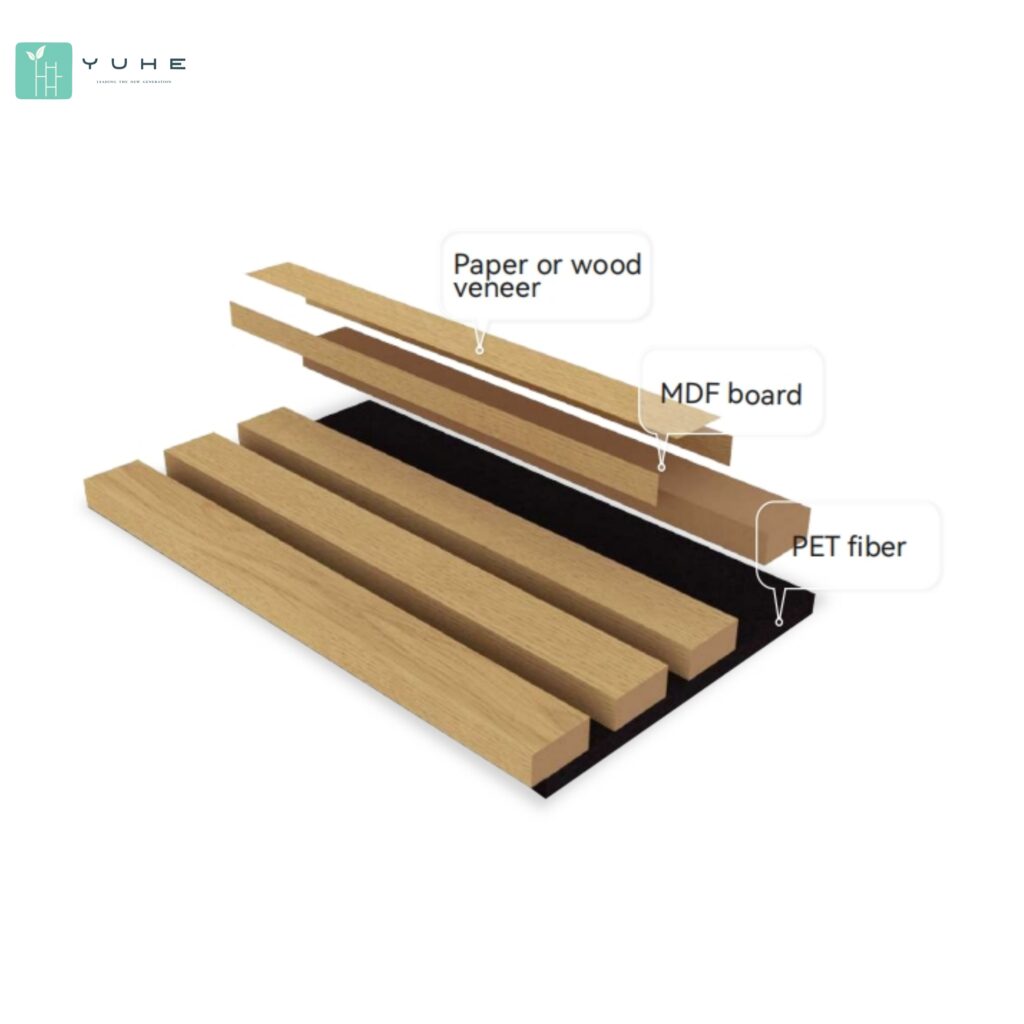
Strengths
- Easy to process & customize
- Strong decorative adaptability
- Cost efficient
Limitations
- Not waterproof, prone to swelling
- Requires formaldehyde emission control
📌 Often used in dry interior areas and acoustic applications.
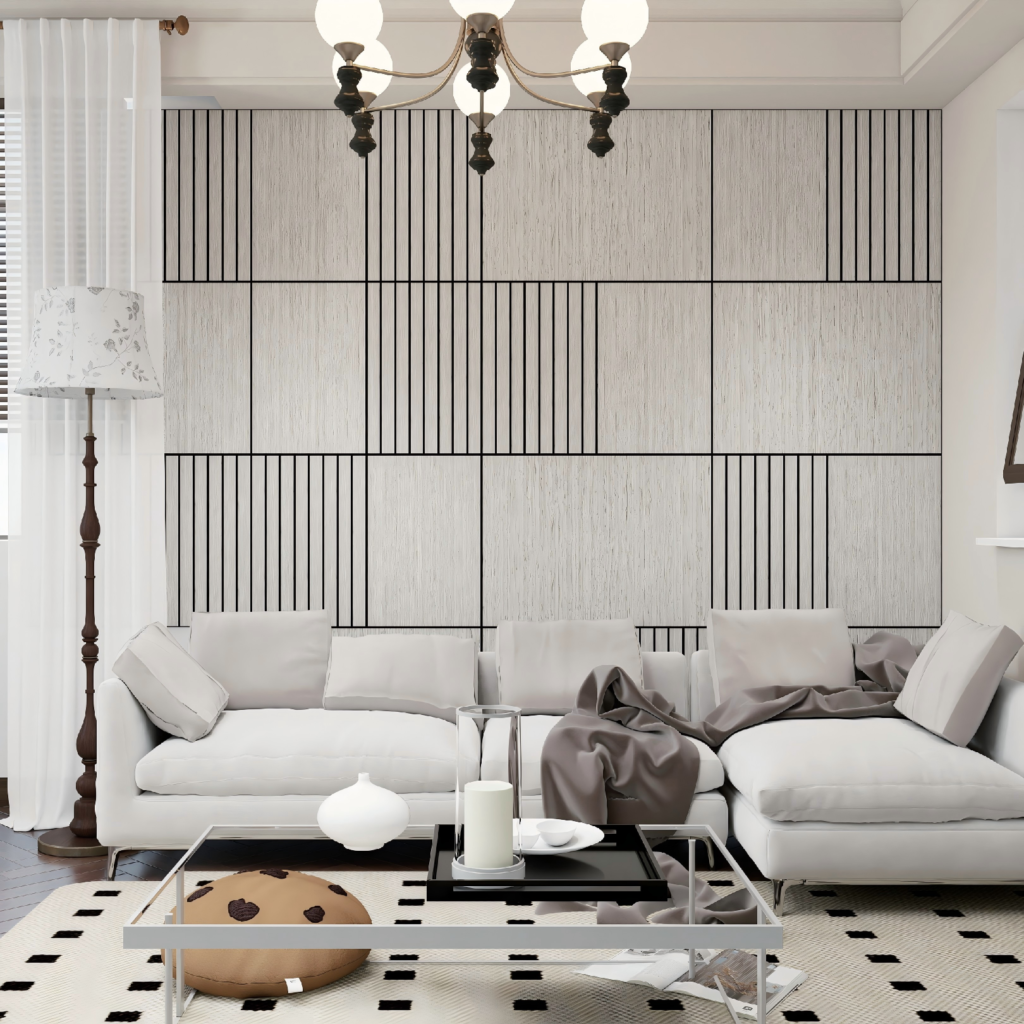
4️⃣ PET (Polyethylene Terephthalate)
Strengths
- Good acoustic absorption
- Low cost
- Clean surface aesthetics, modern style
Limitations
- Lower surface hardness
- Limited bonding substrate options
📌 Popular in acoustic wall panels and office partitions.
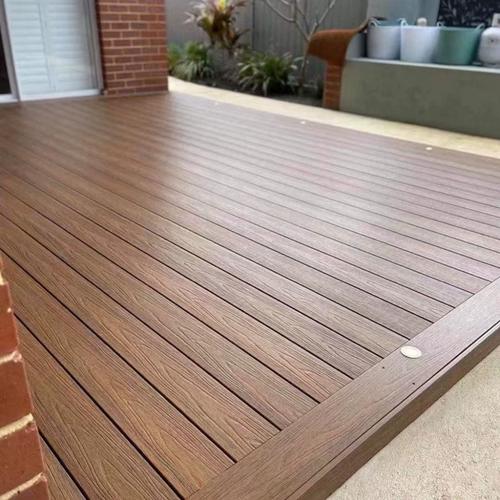
5️⃣ PE (Polyethylene)
Strengths
- Excellent outdoor weather resistance
- High toughness, crack resistant
- Low water absorption
📌 Suitable for outdoor decking or exterior applications.
Material choice should always match environment + performance requirements, not just appearance.