
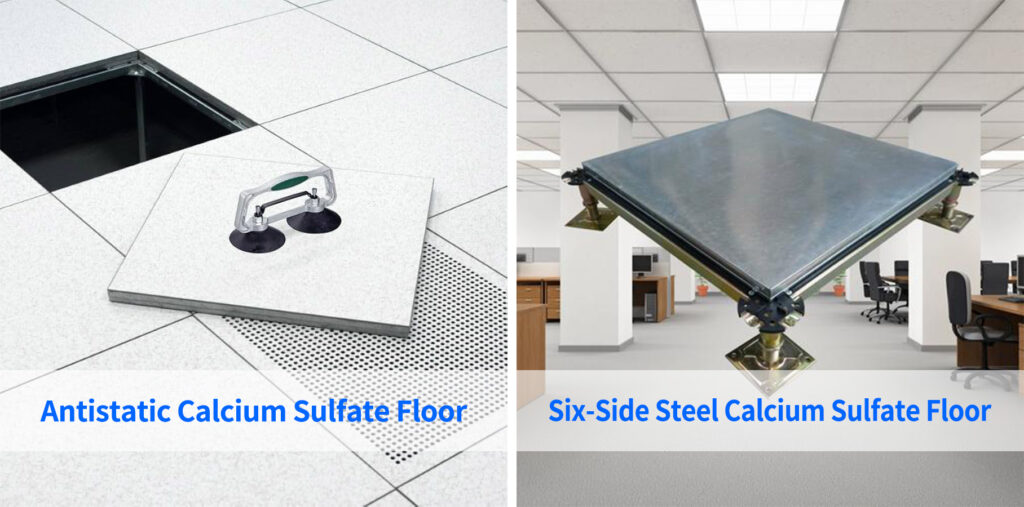
Calcium sulfate raised floors are widely used in data centers, offices, laboratories, and commercial buildings. The two most common types are Antistatic Calcium Sulfate Raised Floor and Steel Encapsulated (Six-Side Steel) Calcium Sulfate Floor. Here is a simple comparison.
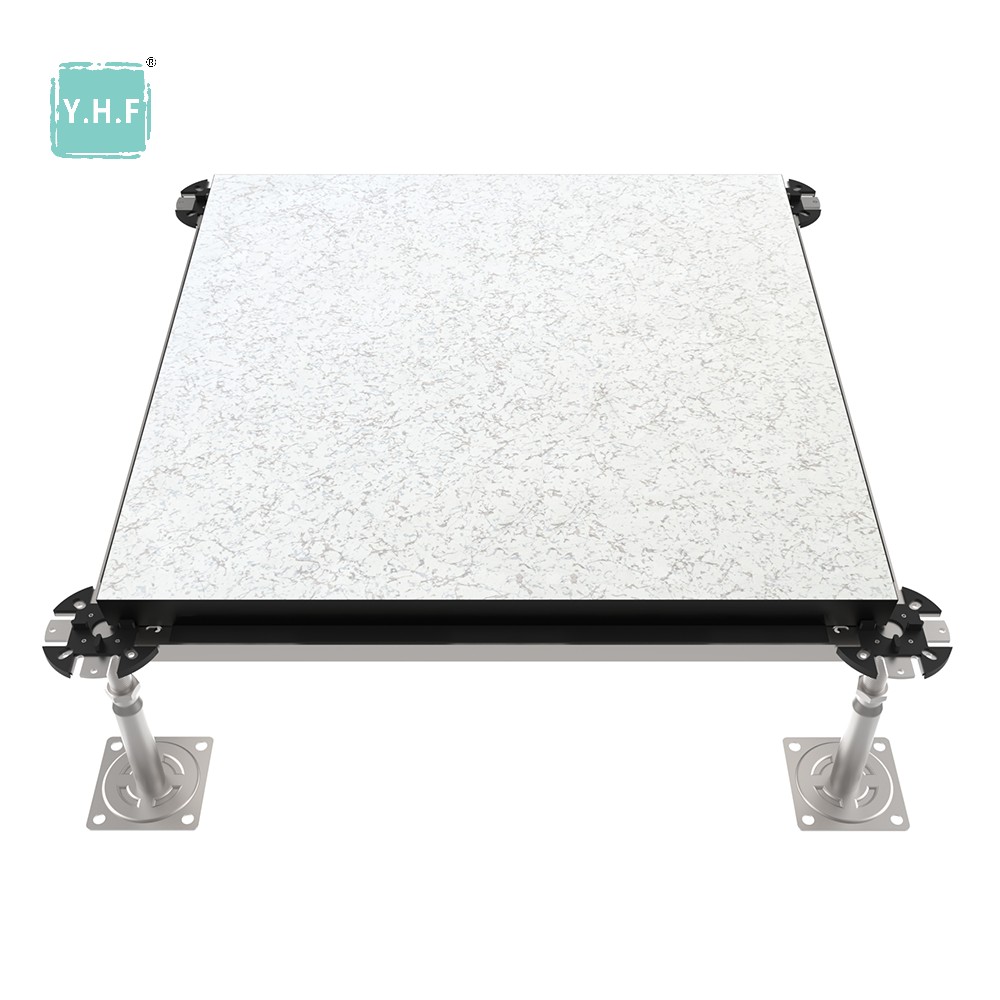
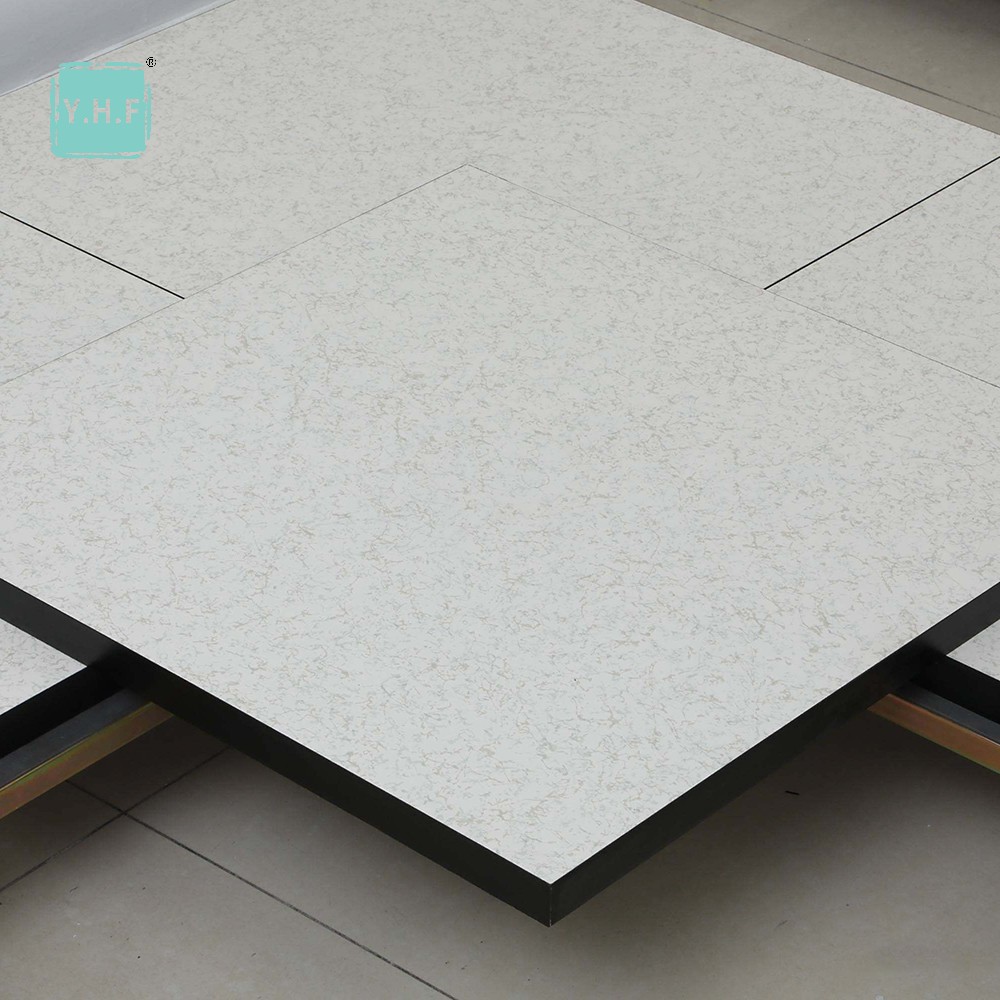
Antistatic Calcium Sulfate Raised Floor
This floor uses a high-density calcium sulfate core combined with antistatic surface materials such as HPL, PVC, or ceramic.
Features:
Provides reliable antistatic performance
Flexible cable management with a raised structure
Eco-friendly core with good stability
Multiple surface options
Best for: Data centers, server rooms, electronics workshops, and laboratories.
Steel Encapsulated (Six-Side Steel) Calcium Sulfate Floor
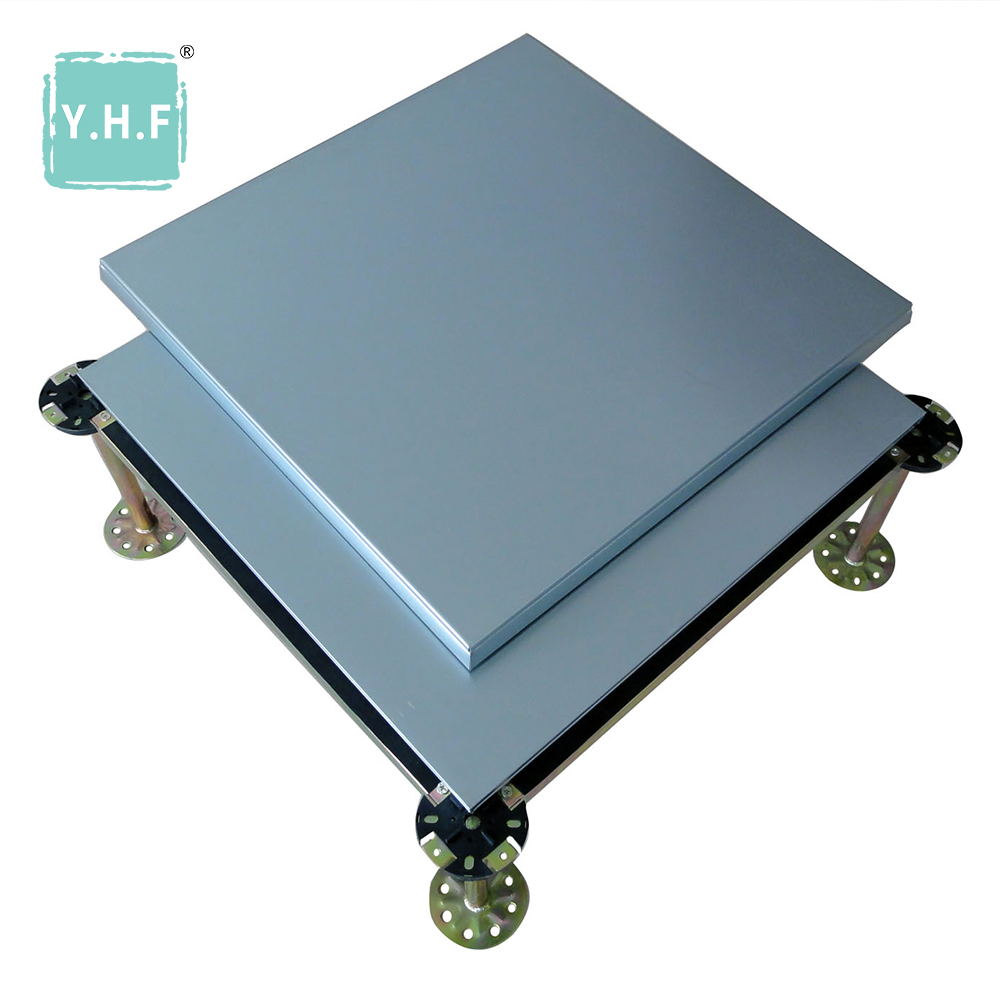
This type fully wraps the calcium sulfate core with galvanized steel on all six sides, offering enhanced protection.
Features:
Excellent moisture resistance and durability
Higher load-bearing performance
Stable in heavy-traffic or humid environments
Compatible with antistatic surfaces if needed
Best for: Office buildings, control rooms, commercial facilities, heavy-load areas.
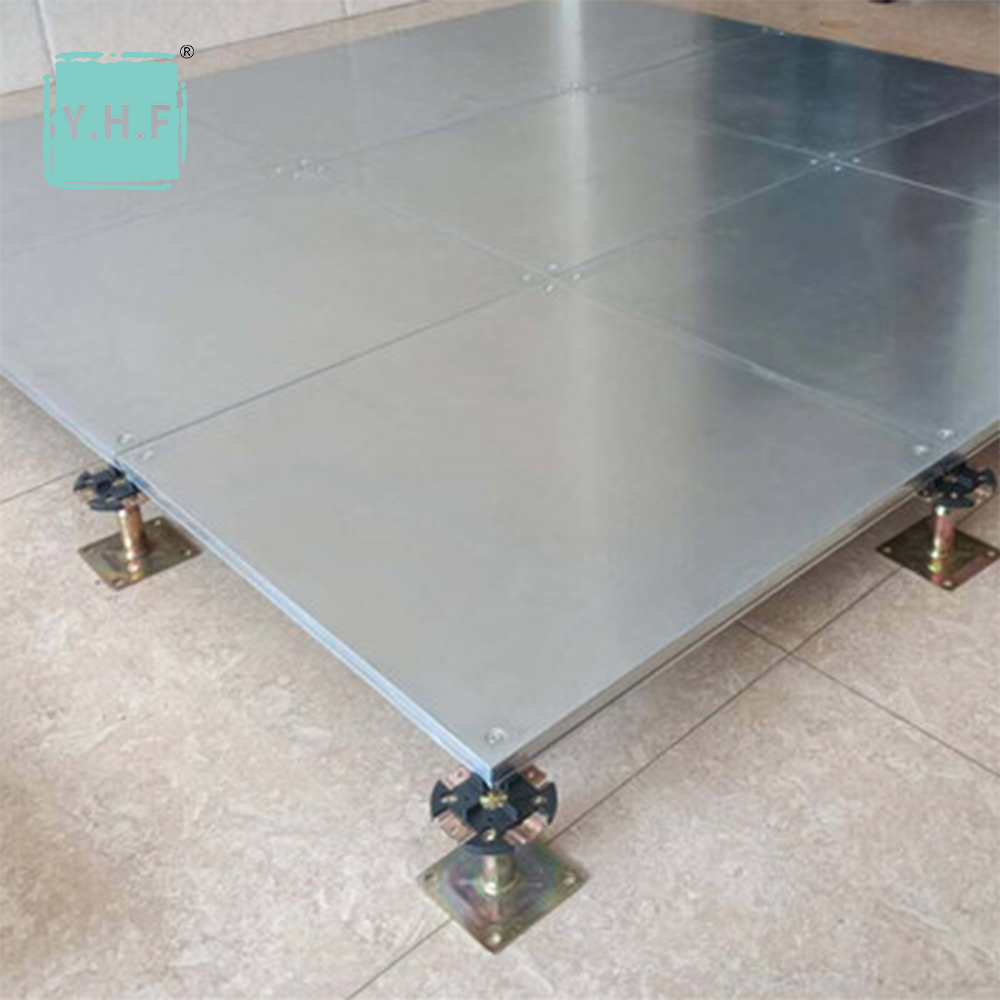
Key Differences
| Item | Antistatic Calcium Sulfate Raised Floor | Steel Encapsulated Calcium Sulfate Raised Floor |
| Structure | Core + surface | Fully steel-wrapped |
| Antistatic | Strong | Optional (depends on surface) |
| Load Capacity | Medium–High | High–Very High |
| Moisture Resistance | Good | Excellent |
| Cost | More economical | Higher |
Y.H.F FLOORS Solutions
Y.H.F FLOORS provides both types of calcium sulfate raised floors, pedestal systems, and surface materials (HPL / PVC / ESD/ Ceramic).
We support global data centers, office projects, and commercial spaces with stable and high-performance flooring solutions.
Contact us anytime.